


- Truly hypoallergenic means nickel-free at the surface: 925 sterling silver, titanium, niobium, surgical steel, and solid gold all qualify.
- "Hypoallergenic" isn't an FDA-regulated term in the US — check the actual base metal, not just the label on the card.
- Newly pierced ears heal best in the exact material the piercing was done with; don't swap metals during initial healing.
- 925 sterling silver with 18K gold plating gives a gold look without the nickel-heavy alloys used in cheap gold-tone costume jewelry.
- AJLuxe's sterling silver pieces are nickel-free and gift-boxed as standard, priced $24.99–$79.99.
- For piercing-specific aftercare and healing timelines, the Association of Professional Piercers is the authority to defer to — not a generic rule you saw online.
If your ears turn red, itch, or swell after a few hours in a pair of earrings, the problem almost never comes from the earring's overall style — it comes from what's actually touching your skin at the post and the back. "Hypoallergenic" gets slapped on packaging loosely enough that it's stopped meaning much on its own, so this guide breaks down which materials are genuinely safe for sensitive and newly pierced ears, which ones just claim to be, and how to tell the difference before you buy.
What Makes Earrings Truly Hypoallergenic?
An earring is truly hypoallergenic only when the metal actually touching your skin contains no nickel, cobalt, or other common allergens — not when the packaging says so. Nickel is the single biggest trigger for earring-related contact dermatitis, and it's cheap enough that it shows up in the base alloy of a lot of costume and "gold-tone" jewelry even when the surface has a thin gold or rhodium flash over it. Once that plating wears at the post — which is exactly the part sitting inside the piercing all day — the nickel underneath is what your skin reacts to. Solid metals like 925 sterling silver, titanium, and niobium don't have this problem because there's no thin coating to wear through in the first place.
Best Materials for Sensitive Ears: A Side-by-Side Comparison
The table below lines up the materials you'll actually see on earring cards, ranked by how reliably they avoid triggering a reaction.
| Material | Truly Hypoallergenic? | Everyday Comfort | Typical Price | Best For |
|---|---|---|---|---|
| 925 Sterling Silver (incl. 18K gold-plated) | Yes | Lightweight, warms to skin | $25–$80 | Daily wear, healed ears, gifting |
| Implant-Grade Titanium | Yes | Very lightweight, hospital-grade | $30–$100+ | New piercings, extremely reactive skin |
| Niobium | Yes | Lightweight, similar to titanium | $25–$90 | Metal-allergic wearers, piercing studios |
| Surgical Steel (316L) | Mostly — trace nickel possible | Sturdy, slightly heavier | $15–$60 | General everyday wear |
| Gold- or Rhodium-Plated Brass/Copper | No — plating wears through | Can tarnish, discolor skin | $5–$25 | Occasional wear only |
| Unmarked "Gold Tone" Costume Metal | No | Frequently causes reactions | Under $10 | Not recommended for sensitive ears |
What Are the Most Hypoallergenic Earrings for Sensitive Ears?
The most hypoallergenic earrings for sensitive ears are ones made entirely from 925 sterling silver, implant-grade titanium, niobium, or solid gold, with no plated layer sitting between your skin and a reactive base metal. Look for three things on the product listing before buying: the actual metal named (not just the word "hypoallergenic"), confirmation that it's nickel-free rather than nickel-plated-over, and — if it's silver or gold-plated — that the plating sits over a solid sterling silver base rather than brass or copper, since sterling silver itself won't trigger a reaction even once a gold-plated layer eventually wears down with daily wear.
Are Hypoallergenic Earrings Good for Newly Pierced Ears?
Yes, but only if you keep wearing the same material the piercing was originally done in until it's fully healed — hypoallergenic doesn't mean interchangeable during the healing window. Piercers typically start a new piercing with implant-grade titanium, niobium, or surgical steel specifically because those metals are the least likely to interfere with healing, and switching to a different metal (even another hypoallergenic one, like sterling silver) too early can reintroduce irritation simply from the change itself, not an allergy. Once a lobe piercing is fully healed, sterling silver and gold-plated sterling silver are generally fine for everyday wear for most people.
What Is the Best Hypoallergenic Material for Piercings?
Implant-grade titanium is generally considered the single safest material for piercings, followed closely by niobium, because both are biocompatible metals used in medical implants and contain no nickel at all. For jewelry you wear after healing rather than initial piercing jewelry, 925 sterling silver is the most practical everyday choice — it's nickel-free, widely available, far less expensive than titanium, and takes gold plating well if you want the look of gold without wearing solid gold.
What Is the "2-3 Rule" for Ear Piercings?
There's no single official "2-3 rule" — it's informal shorthand some piercers and piercing communities use for two rough healing milestones: roughly 2-3 weeks before daily tenderness and visible swelling noticeably fade, and roughly 2-3 months before a first lobe piercing is stable enough that removing the jewelry briefly won't risk the hole starting to close. These numbers vary by piercer, piercing location, and individual healing, so treat it as a loose rule of thumb rather than a fixed timeline, and confirm your specific healing schedule with the piercer who did the work.
How Do You Know If You're Reacting to the Metal, Not Just Healing?
Normal healing causes mild, temporary tenderness right at the piercing site, while a metal reaction causes redness, itching, or a rash that spreads slightly beyond the piercing and tends to get worse the longer the earring stays in, not better. Healing discomfort typically eases within the first couple of weeks; an allergic reaction usually persists or intensifies the entire time the earring is worn and calms down once it's removed. If you notice ongoing itching, a darkened ring of skin around the post, or the area weeping and not just healing normally, that's a signal to switch to a solid hypoallergenic metal rather than push through it.
18K gold plating option
Nickel-free, safe for daily wear
Boxed, no extra charge
Insured shipping, easy returns
Which Hypoallergenic Earrings Should You Buy for Pierced Ears?
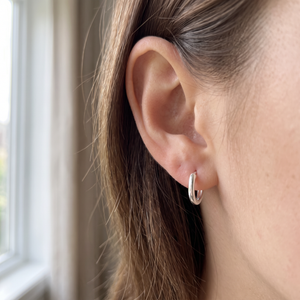
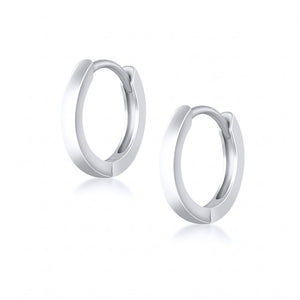
For most healed, pierced ears, 925 sterling silver is the best everyday choice — it's genuinely nickel-free, far more affordable than titanium or niobium, and comfortable for all-day wear. The Silver Huggie Earrings ($34.99) are a good example of what to look for: solid 925 sterling silver, a low-profile design that sits close to the lobe rather than tugging on it, and no plated layer to wear through with daily wear. If you'd rather have a warmer gold tone without switching to solid gold, the Gold Hoop Earrings ($31.99) use 18K gold plating over the same nickel-free sterling silver base, so you get the look without the allergy risk that comes with cheaper gold-tone costume jewelry. If your ears are still newly pierced, hold off on any metal swap and follow your piercer's specific healing guidance first.
The Association of Professional Piercers maintains detailed, piercing-specific aftercare and jewelry-material guidance if you want a clinical source beyond general rules of thumb: safepiercing.org.
Frequently Asked Questions
What are the most hypoallergenic earrings for sensitive ears?
Earrings made entirely from 925 sterling silver, implant-grade titanium, niobium, or solid gold — with no plated layer over a reactive base metal — are the most hypoallergenic options for sensitive ears.
Are hypoallergenic earrings good for newly pierced ears?
Yes, as long as you stay with the same material your piercer originally used until the piercing is fully healed, rather than switching metals during the initial healing period.
What is the 2-3 rule for ear piercings?
It's informal shorthand for two rough healing milestones — about 2-3 weeks before daily tenderness fades and about 2-3 months before a first lobe piercing is stable — not an official medical standard, so it varies by piercer and piercing location.
What is the best hypoallergenic material for piercings?
Implant-grade titanium and niobium are the safest materials for fresh piercings, while 925 sterling silver (plain or 18K gold-plated) is the most practical everyday choice once a piercing has fully healed.
Can you wear sterling silver earrings with sensitive ears?
Yes — genuine 925 sterling silver is nickel-free and one of the more affordable hypoallergenic options for sensitive ears, as long as the piece is solid sterling silver rather than silver-plated over a base metal.
How do I know if my ears are allergic to nickel?
Persistent itching, redness, or a rash that spreads slightly beyond the piercing site and worsens the longer the earring is worn — rather than easing within a couple of weeks like normal healing does — is the clearest sign of a nickel reaction.
Toutes les marques, noms de marque et noms de produits tiers sont la propriété de leurs détenteurs respectifs. AJLuxe n’est affilié à aucune marque tierce citée dans cet article, ni approuvé ou sponsorisé par celle-ci. Les noms de marque sont utilisés uniquement à des fins de comparaison factuelle, et les descriptions de matériaux reflètent les spécifications produit publiées par chaque marque au moment de la rédaction.
You Might Also Like

The piece they're describing → Boucles d'oreilles créoles huggie en argent pour femme — Argent sterling 925, hypoallergéniques, minimalistes
Personalize Yours


