


- "Nickel-free" should mean no nickel in the base alloy — not just a coating layered over a nickel-containing metal.
- 925 sterling silver is a silver-copper alloy with no nickel, which is why it's naturally hypoallergenic.
- Titanium and niobium are worn in near-pure elemental form and are the closest metals to 100% nickel-free.
- Gold, rhodium, or silver plating over brass or base metal can still cause a reaction once the plating wears through at the post.
- The word "hypoallergenic" isn't regulated in the US, so it's worth checking what alloy is actually listed, not just the label.
- AJLuxe earrings are 925 sterling silver with an optional 18K gold plating, hypoallergenic and nickel-free, priced $24.99–$79.99.
If you've ever had an earlobe turn red, itchy, or swollen a day or two after putting in a new pair, the earrings were probably touching nickel — even if the tag said "hypoallergenic." Nickel allergy is one of the most common metal sensitivities there is, and jewelry is one of the most common ways people are exposed to it. The problem is that "nickel-free" gets used loosely on packaging, so two pairs of earrings can both carry the label while one is a solid nickel-free alloy and the other is a nickel-based post with a coating over it. Here's how to tell the difference, which metals are actually safe, and which earrings to reach for if your ears have reacted before.
What Does "Nickel-Free" Actually Mean on a Jewelry Label?
"Nickel-free" should mean the metal alloy itself was formulated without nickel, not that a nickel-containing piece was treated or coated to reduce contact. In the US, there's no federal standard enforcing that distinction, so the phrase can legally appear on packaging for two very different products: one made from an alloy like 925 sterling silver or titanium that never contained nickel, and one made from a nickel-brass core with a rhodium, gold, or silver flash plated over the top. The second kind can test as "nickel-free" on the surface the day it ships, then start releasing nickel within weeks as the plating thins from wear, sweat, and cleaning. The only way to know which one you're holding is to check what the base alloy is listed as, not just whether the word "hypoallergenic" appears on the card.
Which Metals Are Genuinely Nickel-Free?
The metals that are genuinely nickel-free by composition are 925 sterling silver, titanium, niobium, surgical-grade stainless steel (316L), and platinum — each of these is an alloy or element that simply doesn't include nickel as an ingredient, so there's nothing to plate over or wear through.
| Metal | Nickel-Free? | Why |
|---|---|---|
| 925 sterling silver | Yes | 92.5% silver, 7.5% copper — no nickel in the alloy |
| Titanium | Yes | Worn as a near-pure element, no nickel added |
| Niobium | Yes | Same profile as titanium, often used for body jewelry |
| Surgical steel (316L) | Mostly | Contains trace nickel in the alloy; low-release but not zero for the most sensitive wearers |
| 18K gold plating over sterling silver | Yes, if the base is silver | Safe as long as the metal under the plating is itself nickel-free |
| Gold-plated brass or "gold-tone" alloy | No | Often a nickel-brass core under a thin plating that wears off |
Are Nickel-Free Earrings Actually Nickel-Free?
Not always — "nickel-free" is not a term regulated by the FDA, so some earrings marketed that way still contain a nickel-based core underneath a plated finish. The European Union is stricter here: its nickel regulation under REACH limits nickel release from items in direct, prolonged skin contact (including earring posts) to a set migration limit, which is why European-market jewelry tends to disclose alloy composition more consistently than US packaging does. If you're shopping in the US, the more reliable check is to look at what the listing actually states the metal is — "925 sterling silver" or "titanium" is a real, checkable claim; "hypoallergenic" on its own, with no alloy named, is not.
What Kind of Earrings Can You Wear If You Have a Nickel Allergy?
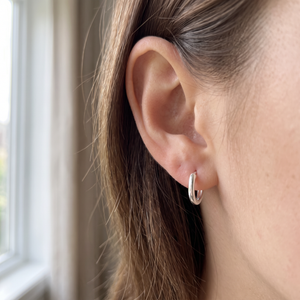
If you have a nickel allergy, earrings made of 925 sterling silver, titanium, niobium, surgical steel, or solid 14K+ gold are the safest categories to wear. Studs and huggies that sit flush against the earlobe are a good place to start after a reaction, since they minimize the amount of metal in prolonged, tight contact with the skin compared to heavier dangles. Avoid unlabeled "gold-tone" or costume-jewelry earrings entirely — they're the single most common source of repeat reactions, because the plating on inexpensive alloy jewelry wears through in weeks, not years. Sterling silver hoops and huggies are a practical everyday option: the alloy is nickel-free at its core, so there's no plating layer to eventually fail.
What Jewelry Brands Are Nickel-Free?
Brands that build their jewelry around nickel-free alloys, rather than treating it as an afterthought, are the ones worth checking first. AJLuxe makes every piece from 925 sterling silver with an optional 18K gold plating, so the base metal is nickel-free whether or not the plating is present. Outside of everyday fashion jewelry, brands specializing in medical-grade materials like titanium and implant-grade steel tend to serve people with documented metal allergies specifically, since those metals are used in body piercings and even surgical implants. The most reliable signal from any brand, ours included, isn't the word "hypoallergenic" on its own — it's whether the listing names the actual alloy so you can verify it yourself.
What Metal Is 100% Nickel-Free?
Titanium and niobium are the closest metals to 100% nickel-free, since jewelry-grade pieces are made from the near-pure element with no nickel alloyed in at all. 925 sterling silver is also fully nickel-free by formulation — it's 92.5% silver and 7.5% copper, with no nickel in that mix — but because it's an alloy rather than a single element, some people describe titanium and niobium as the "purer" nickel-free choice. In practice, both categories are safe for a nickel allergy; the difference matters more for cost and styling options than for allergy risk, and sterling silver offers far more design variety for everyday earrings.
18K gold plating option
Nickel-free, safe for daily wear
Boxed, no extra charge
Insured shipping, easy returns
Which Nickel-Free Earrings Should You Buy?
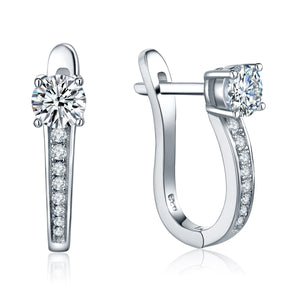
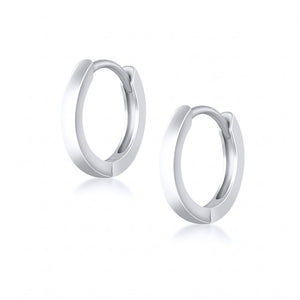
For everyday wear with a nickel allergy, go with a pair made entirely of 925 sterling silver rather than a plated alloy — it removes the plating-wears-off risk completely. The Silver Huggie Earrings ($34.99) are a good starting point: they're 925 sterling silver, hypoallergenic, and sit close enough to the lobe for comfortable all-day wear, which makes them a low-risk reintroduction if your ears have reacted to costume jewelry before. If you want more movement, the Silver Hoop Earrings ($31.99) are the same nickel-free sterling silver in a classic hoop shape, and the 18K gold-plated version ($31.99) gives you the gold look without a nickel-containing base underneath the plating. Whichever style you choose, the rule stays the same: check that the metal underneath is nickel-free, not just the finish on top.
For the full picture on jewelry allergy symptoms, causes, and which metals are genuinely safe, see our jewelry allergy guide.
Frequently Asked Questions
What jewelry brands are nickel-free?
Brands that build jewelry from 925 sterling silver, titanium, niobium, or surgical steel as their base alloy — rather than plating over a nickel-containing metal — are genuinely nickel-free; AJLuxe uses 925 sterling silver with optional 18K gold plating across its jewelry for this reason.
What kind of earrings can I wear if I have a nickel allergy?
Earrings made of 925 sterling silver, titanium, niobium, surgical steel, or solid 14K+ gold are safe for a nickel allergy, with flush-fitting studs or huggies a good low-risk option to start with after a reaction.
Are nickel-free earrings actually nickel-free?
Not always — the term isn't federally regulated in the US, so some earrings labeled "nickel-free" are actually a nickel-containing base metal with a thin plating over it that wears through over time; checking the listed alloy is more reliable than the label alone.
What metal is 100% nickel-free?
Titanium and niobium are the closest metals to 100% nickel-free since jewelry-grade pieces are made from the near-pure element with no nickel alloyed in; 925 sterling silver is also fully nickel-free by formulation, just as an alloy rather than a single element.
Is sterling silver safe if I have sensitive ears?
Yes — 925 sterling silver is a silver-copper alloy with no nickel content, which is why it's one of the most commonly recommended metals for people with sensitive ears or a diagnosed nickel allergy.
Can plated earrings ever be nickel-free?
Yes, as long as the metal underneath the plating is itself nickel-free — 18K gold plating over 925 sterling silver stays nickel-free even after the plating naturally wears, because there's no nickel base underneath it to be exposed.
For more on nickel allergy and jewelry safety, the Association of Professional Piercers publishes consumer guidance on metal sensitivity and safe jewelry materials at safepiercing.org.
Related reading: 8 Best Nickel-Free Jewelry Brands (2026).
Shop AJLuxe's full hypoallergenic earrings collection — every style is nickel-free 925 sterling silver or 18K gold plating over a nickel-free base.
Toutes les marques, noms de marque et noms de produits tiers sont la propriété de leurs détenteurs respectifs. AJLuxe n’est affilié à aucune marque tierce citée dans cet article, ni approuvé ou sponsorisé par celle-ci. Les noms de marque sont utilisés uniquement à des fins de comparaison factuelle, et les descriptions de matériaux reflètent les spécifications produit publiées par chaque marque au moment de la rédaction.
You Might Also Like

The piece they're describing → Boucles d'oreilles créoles huggie en argent pour femme — Argent sterling 925, hypoallergéniques, minimalistes
Personalize Yours


