


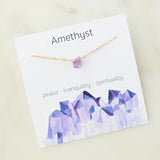
You've probably seen the blue eye symbol on jewelry, home décor, and even car mirrors. But what is evil eye jewelry, exactly — and why do so many cultures across the world still wear it today?
Evil eye jewelry is one of the oldest protective symbols in human history. Here's everything you need to know about its meaning, origins, colors, and how to wear it.
What Is Evil Eye Jewelry?
Evil eye jewelry features the nazar — a blue eye-shaped amulet believed to protect the wearer from the "evil eye," a curse or negative energy transmitted through envious or malicious glares. The symbol dates back over 3,000 years and appears across ancient Turkish, Greek, Egyptian, Roman, and Jewish cultures.
The core belief: when someone looks at you with envy or bad intent, that energy can cause misfortune, illness, or bad luck. The evil eye talisman absorbs and deflects that negative energy before it reaches you.
Today, evil eye jewelry is worn both as a spiritual protection talisman and as a fashion accessory. You'll find it in high-end boutiques and street markets alike — a testament to how universally the symbol resonates.
History and Origins of the Evil Eye
The evil eye belief — known as mati in Greek and nazar in Turkish and Arabic — appears in some of the world's oldest texts. The concept is referenced in Plato's Symposium, in ancient Sumerian cuneiform tablets, and in the Bible (Proverbs 23:6, "Do not eat the bread of a man who is stingy; do not desire his delicacies").
The iconic concentric-circle eye design most people recognize today — dark blue outer ring, lighter blue middle, white or yellow inner circle, black pupil — originated in Turkey and spread across the Ottoman Empire. It became particularly central to Turkish, Greek, Lebanese, Syrian, and North African cultures.
Mass production of the glass nazar amulet began in Turkey's Aegean region in the mid-20th century. Today, Turkey produces millions of glass evil eye beads annually — the symbol is so culturally significant it appears on Turkish Airlines planes.
Types of Evil Eye Jewelry
| Type | Best For | Wearing Notes |
|---|---|---|
| Necklace | Everyday protection, layering | Sits close to the heart |
| Bracelet | Most traditional protective form | Left wrist absorbs energy; right wrist shares it |
| Earrings | Subtle daily wear | Flanks the face, protects what others see first |
| Ring | Statement piece | Right index finger is traditional in some cultures |
| Anklet | Summer/boho style | Grounds energy |
Evil Eye Colors and Their Meanings
The classic evil eye is blue — but different colors carry different protective intentions. Here's a quick overview:
- Dark blue / navy: Karma protection, fate, calm
- Light blue / turquoise: General protection, broadest spiritual shield
- Green: Success, luck, good health
- Orange: Happiness, creativity, playful energy
- Yellow / gold: Clarity, optimism, power
- Red: Courage, energy, love
- Pink: Friendship, romance, calming love
- Purple / violet: Balance, imagination, wisdom
- White: Purity, clarity, new beginnings
- Black: Power, protection against fear and darkness
For a full breakdown of every evil eye color and its specific meaning, see our complete evil eye color meanings guide.
Who Can Wear Evil Eye Jewelry?
Anyone can wear evil eye jewelry. The symbol is not exclusive to any single religion or culture. It appears across Islam, Judaism, Christianity, Hinduism, and many non-religious spiritual traditions. No initiation, blessing, or belief is required to wear it.
Many people wear evil eye jewelry purely for its aesthetic — the bold blue eye motif is genuinely striking. Others wear it as a daily reminder of mindfulness, protection, and intention. Both are completely valid.
The evil eye belief is not considered cultural appropriation because it belongs to dozens of cultures simultaneously — Turkish, Greek, Lebanese, Syrian, Egyptian, Italian, Spanish, Jewish, and South Asian communities have all used the symbol for centuries. Wearing it respectfully is widely encouraged across these communities.
For more detail, see our guide on who can wear evil eye jewelry.
Hamsa vs Evil Eye — What's the Difference?
The hamsa (an open palm with an eye in the center) is often confused with or combined with the evil eye symbol. They serve similar protective purposes but come from slightly different traditions — the hamsa originates from Jewish and Islamic culture, while the evil eye amulet is more broadly Mediterranean and Middle Eastern.
Both can be worn together, and many pieces combine the two symbols. For a full comparison, read our hamsa vs evil eye guide.
Evil Eye Bracelets: Which Wrist?
Traditional wisdom says wear an evil eye bracelet on the left wrist. In many cultures, the left side of the body is considered receptive — it absorbs external energy. Wearing the evil eye on your left wrist means it intercepts negative energy coming toward you before it can affect you.
Wearing it on the right wrist is said to direct that protective energy outward — protecting others and projecting strength. Neither is wrong; choose based on what resonates with you.
See our evil eye bracelet guide for more detail including what happens when an evil eye bracelet breaks.
How to Style Evil Eye Jewelry
Evil eye jewelry works best when worn with intention. A few styling tips:
- Layering necklaces: Stack an evil eye pendant with a birthstone necklace or initial necklace. Keep lengths varied — 16" evil eye + 18" chain works well.
- Bracelet stacks: Combine with gold chain bracelets or crystal bracelets. The evil eye is a focal point, not a background piece.
- Mixed colors: There's no rule against wearing multiple evil eye colors at once, but most people choose one to focus on their primary intention.
- Everyday vs occasion: The classic blue nazar is versatile enough for everyday office wear. Bold statement pieces suit evenings out.
How to Care for Evil Eye Jewelry
Evil eye pieces in sterling silver or gold-plated sterling silver are durable for everyday wear with basic care:
- Remove before swimming, showering, or applying lotion/perfume — moisture and chemicals accelerate tarnish
- Store flat or in a soft pouch — avoid tangling chains
- Polish gently with a silver polishing cloth to restore shine
- Gold-plated pieces: re-plating every 1–2 years maintains the finish
If your evil eye piece breaks or the glass cracks, many traditions interpret this as the amulet successfully absorbing a curse — meaning it did its job. Dispose of it respectfully and replace it.
Browse our full crystal & charm jewelry collection →
If you're exploring evil eye jewelry alongside other spiritual traditions like crystals and celestial symbols, read our guide to spiritual jewelry guide next.
Frequently Asked Questions
- What does evil eye jewelry mean?
- Evil eye jewelry features the nazar amulet — a symbol believed to protect the wearer from negative energy, envy, and ill wishes. Originating in ancient Turkey and the Mediterranean, it's one of the world's oldest protective symbols. Today it's worn for both spiritual protection and fashion.
- Is it bad luck to buy yourself an evil eye?
- No — it's not bad luck to buy yourself an evil eye. While traditionally given as a gift in some cultures, buying your own evil eye jewelry is widely accepted and practiced worldwide. The protective intention comes from wearing it, not from how you acquired it.
- What does it mean when your evil eye bracelet breaks?
- In many traditions, a broken evil eye bracelet means the amulet absorbed and deflected a curse or significant negative energy — essentially, it did its job. Dispose of it respectfully and replace it.
- Can non-Muslims wear evil eye jewelry?
- Yes. The evil eye symbol spans dozens of cultures including Greek, Turkish, Jewish, Italian, Spanish, and Egyptian traditions. It's not specific to any single religion and is not considered cultural appropriation because it belongs to so many cultures simultaneously.
- Which color evil eye is most powerful?
- Dark blue is considered the most powerful for protection in classical tradition. Light blue (turquoise) offers the broadest general protection. 'Most powerful' depends on your intention — choose the color that matches what you most want to attract or protect.
- What wrist do you wear an evil eye bracelet on?
- Traditionally, the left wrist. In many cultures the left side absorbs incoming energy. Wearing the evil eye on your left wrist means it intercepts negative energy before it affects you. The right wrist directs protective energy outward.
- Can I wear evil eye jewelry to sleep?
- You can, but it's not recommended for the jewelry's longevity. Sleeping in necklaces and bracelets causes tangling and accelerated wear on clasps. From a spiritual perspective, most practitioners have no objection to sleeping with their evil eye.
- What's the difference between the hamsa and the evil eye?
- The hamsa is an open palm symbol from Jewish and Islamic culture. The evil eye (nazar) is a concentric circle eye shape from Turkish and Greek traditions. Both offer spiritual protection. Many people wear both together.
- Does evil eye jewelry have to be blue?
- No — while blue is the most recognized color, evil eye jewelry comes in all colors. Each carries a different intention: green for luck, red for courage, pink for friendship, white for purity. Choose the color that aligns with your goal.
- How do you activate an evil eye?
- Set a clear intention while holding or wearing the piece — mentally stating what you want it to protect or attract. Some traditions cleanse it with sage smoke before first wear. There's no required ritual; intention and belief are what matter most.
The Bottom Line
Evil eye jewelry is one of the most meaningful symbols you can wear — 3,000 years of protection, intention, and beauty condensed into a single motif. Whether you're drawn to it for its spiritual significance or its striking look, the nazar has earned its place as a timeless piece of jewelry.
Choose the color that speaks to your current intention, wear it with awareness, and let it do its job.
Written by the AJLuxe team — specialists in 925 sterling silver and spiritual jewelry. Last updated: June 2026.
Toutes les marques, noms de marque et noms de produits tiers sont la propriété de leurs détenteurs respectifs. AJLuxe n’est affilié à aucune marque tierce citée dans cet article, ni approuvé ou sponsorisé par celle-ci. Les noms de marque sont utilisés uniquement à des fins de comparaison factuelle, et les descriptions de matériaux reflètent les spécifications produit publiées par chaque marque au moment de la rédaction.
You Might Also Like

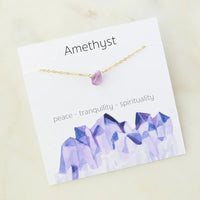
The piece they're describing → Collier pendentif en pierre pour femme – Plaqué or 18 carats, pendentifs en pierres précieuses naturelles
Personalize Yours


