


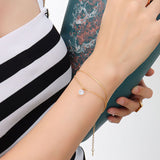
The charm bracelet has been a vehicle for keeping memories in jewelry form since Queen Victoria wore portraits of her loved ones in miniature in the 1840s. The tradition has never really changed: each charm is a moment, a person, a place, or a feeling. The bracelet is the timeline. What makes charm bracelets uniquely giftable is that they grow over time — and every person who loves the recipient gets to add to it.

Where the Tradition Comes From
Charm bracelets have existed in some form since ancient Egypt — amulets worn to provide protection in this life and guide the soul in the next. The Victorian era formalized the tradition as we recognize it: Queen Victoria (1840s) wore miniature portraits and lockets of loved ones, and the fashion spread across the upper classes. American soldiers returning from Europe after World War II brought back handmade charms from each city — a charm for Paris, for Rome, for London — turning the bracelet into a travel journal. By the 1950s, charm bracelets were a staple of American women's jewelry, with manufacturers creating charms for every life milestone.
The core idea has never changed: charms are not decoration. They're documentation. That's what makes a charm bracelet a fundamentally different object from other jewelry.
The Art of Starting a Charm Tradition
The First Charm Is the Most Important
The first charm sets the theme and story for every charm added afterward, making it the foundation the rest of the bracelet builds on. It sets the emotional register of everything that follows. A heart says: "This bracelet is built on love." A birthstone says: "This bracelet starts with who you are." A key says: "This bracelet marks a beginning." Choose the founding charm intentionally — it's the one the recipient will always remember receiving first.

18K Gold Plated · 925 Sterling Silver · $48.99
A classic first charm — the heart link chain is the foundation to build a lifetime of charms on.
Shop Now →The "One Per Year" Birthday Tradition
Give the bracelet with one charm on the first birthday or milestone. Each subsequent birthday, the gift-giver (or a rotating group of loved ones) adds one charm. By age 30, a bracelet started at 18 would have 12 charms — each one tied to a specific year. By retirement, it's an autobiography in gold.
This model also solves the perennial "what do I get them?" problem for anyone who loves the recipient: the answer is always "a charm for the bracelet." The tradition turns a hard gifting decision into a meaningful and expected one.

Milestone Charm Guide
| Milestone | Charm to Give | Why It Works |
|---|---|---|
| 18th birthday | Key | New independence, first "key" to adulthood |
| Graduation | Star or butterfly | Achievement reached / new chapter beginning |
| First job | Arrow or compass | Knowing the direction; moving forward with purpose |
| Anniversary (any year) | Heart or infinity | Marking another year of love |
| New home | House or key | A foundation, a new chapter, roots put down |
| New baby | Birthstone or initial | The specific child — their month, their letter |
| Recovery / resilience | Lotus or anchor | Beauty from difficulty; you are steady |
| Travel milestone | Globe, plane, or local symbol | Marking the journey; a place you've been or love |
| Memorial | Angel wing | Remembrance; the person who is always with you |
| Mother's Day | Each child's birthstone | One stone per child — the bracelet grows with the family |
Charm Bracelet vs. Charm Necklace as a Milestone Gift
Choose a bracelet for someone who is expressive, active, and tactile — who likes to see and feel their jewelry throughout the day. Bracelets have more visual movement and social visibility.
Choose a necklace charm for someone more reserved, who prefers intimate, close-to-heart pieces. A charm necklace is quieter but no less meaningful.
For children and teenagers: A necklace charm is safer — less risk of the bracelet catching on clothing or getting lost in active wear.
Want to start a sentimental charm bracelet tradition? Join the waitlist for our upcoming sentimental charm bracelets →
How to Give a Charm Bracelet That Keeps Growing
Give a charm bracelet as a growing gift by starting with a few meaningful charms and presenting it thoughtfully, since presentation matters as much as the piece itself. Give the bracelet in a box with one to two charms attached and include a handwritten note:
"The first charm is from me — it marks [the occasion]. The second charm is yours to choose. Every birthday, every milestone, every person who loves you can add to this. By the time you've filled it, it will be the most personal piece of jewelry you own."
Optionally include a small card with suggestions: "For her next birthday, a butterfly. For graduation, a star. For a friend to give: an evil eye for protection." You're giving the recipient and their loved ones a gifting language to speak for years.
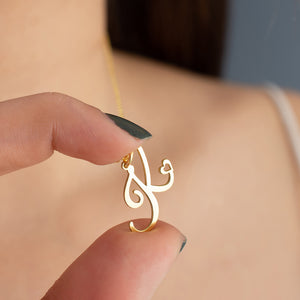
For gift occasions where a bracelet feels too casual, a personalized name or initial necklace carries the same sentimental weight with a more formal feel.
Frequently Asked Questions
What is a charm bracelet tradition?
A charm bracelet tradition is the practice of adding a new charm to a bracelet at each significant life milestone — birthdays, graduations, travel, relationships, achievements. Each charm marks a moment in time, transforming the bracelet from a piece of jewelry into a wearable timeline of a person's life.
What is a good first charm to give someone?
The best first charm depends on the person: a heart charm for a romantic partner, a birthstone for a close friend or family member, a butterfly for someone going through a big change, or a key for someone reaching adulthood (18th or 21st birthday). The most important quality of the first charm is that it anchors the story — it should mean something specific about your relationship or their life.
What charms do you give on special occasions?
18th birthday: key (new independence). 21st: key or star (achievement). Graduation: arrow or butterfly (new direction, transformation). Anniversary: heart or infinity. New home: house or key. New baby: birthstone or initial. Travel: globe or local landmark. Mother's Day: birthstones of each child. Loss/memorial: angel wing.
How do you start a charm bracelet as a gift?
Give the bracelet with one or two charms already attached, plus a written note explaining the tradition: 'The first charm is from me. Future charms are for every milestone ahead.' Consider including a card with suggestions for friends and family to add charms on future birthdays and holidays. This turns one gift into a lifetime of gifting.
Is it bad luck to buy yourself a charm bracelet?
No — this is a common question rooted in older folk superstition, not any established tradition. Buying yourself a charm bracelet is widely accepted and increasingly popular as an act of self-expression and self-celebration. Many people start their own charm collection and then invite others to add to it on special occasions.
How many charms should a bracelet have to start?
Start with one to three charms. The first charm anchors the meaning — it's the 'founding' charm that tells the story of why the bracelet was given. One or two additional charms give the bracelet immediate visual appeal while leaving clear space for future additions. A bracelet that arrives empty can feel like an incomplete gift.
Start the Story
The first charm bracelet you give someone is the beginning of a collection they'll carry through every chapter of their life. Choose the first charm with intention. Explain the tradition in your note. Then step back — the bracelet will write its own story from there.
Shop the Heart Charm Bracelet ($48.99) → · Join the Sentimental Charm Bracelet Waitlist →
Toutes les marques, noms de marque et noms de produits tiers sont la propriété de leurs détenteurs respectifs. AJLuxe n’est affilié à aucune marque tierce citée dans cet article, ni approuvé ou sponsorisé par celle-ci. Les noms de marque sont utilisés uniquement à des fins de comparaison factuelle, et les descriptions de matériaux reflètent les spécifications produit publiées par chaque marque au moment de la rédaction.
You Might Also Like
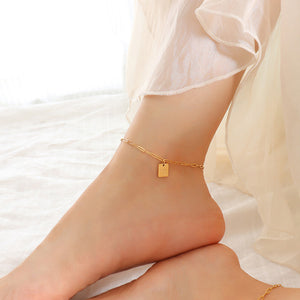
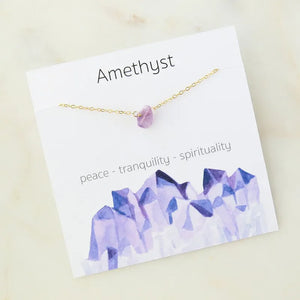
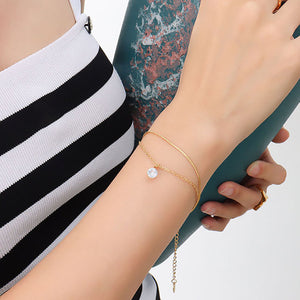
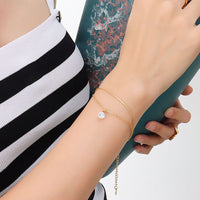
The piece they're describing → Bracelet Chaîne CZ pour Femme — Plaqué Or 18 Carats, Chaîne Serpent avec Zircon Cubique, Réglable
Personalize Yours


