


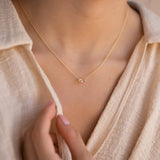
Birthstone charm jewelry is the most personal form of jewelry you can give because it's tied to a specific person's birth month — and that month belongs to them alone. This guide covers all 12 months with the stone's meaning, its Mohs hardness rating (so you know how it holds up daily), and honest guidance on whether to give it as a bracelet charm or necklace pendant.

All 12 Birthstones — Complete Reference Table
| Month | Stone | Color | Primary Meaning | Mohs | Daily Wear |
|---|---|---|---|---|---|
| January | Garnet | Deep red | Protection, passion | 6.5–7.5 | ✅ Safe |
| February | Amethyst | Purple | Clarity, calm | 7 | ✅ Safe |
| March | Aquamarine | Blue-green | Courage, calm | 7.5–8 | ✅ Safe |
| April | Diamond / White CZ | Clear | Strength, eternal love | 10 | ✅ Hardest |
| May | Emerald | Green | Renewal, prosperity | 7.5–8 | ✅ Safe |
| June | Pearl / Alexandrite | White / color-shift | Purity, wisdom | 2.5–4.5 / 8.5 | ⚠️ Necklace only for pearl |
| July | Ruby | Red | Passion, courage | 9 | ✅ Very safe |
| August | Peridot | Olive green | Healing, positivity | 6.5–7 | ✅ Safe with care |
| September | Sapphire | Blue | Loyalty, wisdom | 9 | ✅ Very safe |
| October | Opal / Tourmaline | Multi-color / pink | Creativity, hope | 5.5–6.5 / 7–7.5 | ⚠️ Opal: necklace only |
| November | Topaz / Citrine | Yellow / amber | Warmth, abundance | 8 / 7 | ✅ Safe |
| December | Turquoise / Blue Topaz | Blue / sky blue | Luck, friendship | 5–6 / 8 | ⚠️ Turquoise: gentle care |
Durability note: Softer stones (Mohs under 7) — pearl, opal, turquoise — are more vulnerable to scratching and cracking from daily impact. These are better suited to necklace pendants (less contact and movement) than bracelet charms. Harder stones (sapphire, ruby, garnet, aquamarine) are safe in either format.

18K Gold Plated · 925 Sterling Silver · $27.99
Baguette CZ pendant in birth month color — 925 sterling silver chain. One per month, 12 available.
Shop Now →Birthstone Bracelet vs. Necklace Charm — Which to Choose

Both formats work beautifully — the choice depends on the stone's hardness, the recipient's lifestyle, and the gifting intent:
- Necklace: Better for soft stones (pearl, opal, turquoise), for active lifestyles (less impact than a wrist bracelet), and as a first birthstone piece for a child or teenager.
- Bracelet: Better for hard stones (ruby, sapphire, garnet, diamond), for someone who prefers visible wrist jewelry, and as a statement piece for adults.
- Mother's bracelet (multi-stone): A charm bracelet with each child's birthstone is one of the most requested Mother's Day gifts. Each stone represents one child — the bracelet grows as the family does.
How to Give a Birthstone Charm as a Gift
A birthstone charm is most meaningful when you acknowledge the connection explicitly. Include a card that names the stone, its month, and its meaning: "This is your garnet — January's stone. It means protection and passion — both of which suit you perfectly." That context transforms jewelry into keepsake.

18K Gold Plated · 925 Sterling Silver · $48.99
Pair a birthstone charm necklace with a heart bracelet for a complete gift set under $80.
Shop Now →Care Guide by Stone Type
Hard stones (ruby, sapphire, aquamarine, garnet): Safe to clean with mild soap and warm water. Avoid ultrasonic cleaners if the stone is set. Pat dry.
Softer stones (opal, pearl, turquoise): Wipe clean with a soft dry cloth only — no water, no chemicals, no steam. Store separately with padding to prevent scratching.
Sterling silver setting: Use an anti-tarnish pouch when storing; polish with a soft silver cloth if tarnish develops on the chain or bail.
Related reading: 6 Best Places to Buy a Personalized Charm Bracelet in 2026.
Frequently Asked Questions
What is the birthstone for each month?
January: Garnet (deep red). February: Amethyst (purple). March: Aquamarine (blue-green). April: Diamond or white topaz. May: Emerald (green). June: Pearl or Alexandrite. July: Ruby (red). August: Peridot (olive green). September: Sapphire (blue). October: Opal or Pink Tourmaline. November: Topaz or Citrine (yellow). December: Turquoise or Blue Topaz.
What does a birthstone charm mean?
A birthstone charm is tied to the birth month of the person wearing it, giving it a uniquely personal meaning. The stone represents identity — this month, this person, this life. It's the most personalized form of charm jewelry because no two people share the same birth month in the same year.
Are birthstone charm necklaces real stones?
It depends on the seller. Some birthstone charm necklaces use genuine gemstones; others use lab-created stones (chemically identical to natural, less expensive) or cubic zirconia (CZ, which is synthetic and not a real gemstone). AJLuxe birthstone charm necklaces use baguette CZ in the birth month color — look for that disclosure before buying from any seller.
Is a birthstone charm bracelet or necklace better for daily wear?
For daily wear, a necklace is generally more practical — it sees less impact and movement than a bracelet. For soft stones like pearl (June) or opal (October), a necklace is significantly safer than a bracelet, where the stone is at greater risk of scratching or cracking. Harder stones (July ruby, September sapphire, July/August garnet) are safe in both formats.
What birthstone charm should I give as a gift?
Give the stone that corresponds to the recipient's birth month — that's the most meaningful and expected choice. A mother with multiple children might receive a bracelet featuring all of her children's birthstones. A grandmother's pendant with the stones of all her grandchildren is another popular interpretation.
Can I wear a birthstone that isn't mine?
Yes. While birthstones traditionally correspond to your own birth month, many people wear stones based on their properties (amethyst for calm, citrine for energy) or simply because they love the color. There are no rules — wear what resonates with you.
Find the Right Month
A birthstone charm is one of the few jewelry gifts that gets more personal the more specifically you choose it. Twelve months. Twelve stones. One of them belongs to the person you're buying for — that's the one to choose. For soft stones like pearl and opal, go necklace. For everything else, either format works beautifully. Prefer wearing your birthstone as an earring instead? See our birthstone stud earrings guide for the stud-earring version, including which months hold up best in a low-set stud.
← Read: What Every Charm Symbol Means · Browse crystal charm necklaces →
Toutes les marques, noms de marque et noms de produits tiers sont la propriété de leurs détenteurs respectifs. AJLuxe n’est affilié à aucune marque tierce citée dans cet article, ni approuvé ou sponsorisé par celle-ci. Les noms de marque sont utilisés uniquement à des fins de comparaison factuelle, et les descriptions de matériaux reflètent les spécifications produit publiées par chaque marque au moment de la rédaction.
You Might Also Like
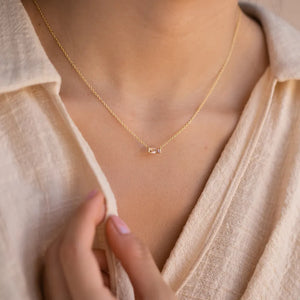
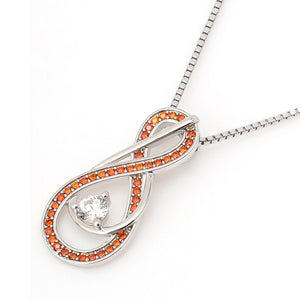
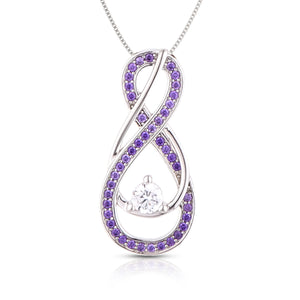
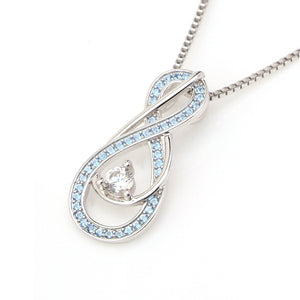

The piece they're describing → Collier pendentif breloque pierre de naissance pour femme — Pendentif CZ baguette, argent sterling 925
Personalize Yours


