


Réponse rapide : Oui, vous pouvez porter de l'or et de l'argent ensemble. Le mélange des métaux est une tendance bijoux grand public depuis le début des années 2020, et en 2026, c'est la façon par défaut dont la plupart des gens constituent leur collection de bijoux, plutôt que l'exception. La clé, c'est l'intention : choisissez un métal dominant (environ 60 à 70 % de ce que vous portez) et laissez l'autre jouer un rôle de soutien, plutôt que de tout diviser 50/50.
En bref
- Mélanger l'or et l'argent n'est pas une erreur de style — c'est un conseil de stylisme standard depuis environ 2021, et la plupart des stylistes considèrent aujourd'hui qu'une collection à métal unique est plus limitante qu'une collection mixte.
- La formule de départ la plus simple est la règle du 2:1:1 : deux pièces dans votre métal dominant, une dans votre métal d'accent, une pièce qui combine déjà les deux (comme une bague bicolore).
- Les bagues et les pièces superposées se mélangent le plus facilement ; les grands ensembles assortis (comme une parure complète) se mélangent le moins facilement.
- Les sous-tons chauds tendent vers l'or, les sous-tons froids tendent vers l'argent, mais c'est un point de départ, pas une règle — le signal le plus fiable est le sous-ton de la peau, pas la couleur de la peau.
- Mélanger les métaux n'abîme en rien l'argent sterling ou le plaqué or — le ternissement et l'usure viennent de l'humidité et des produits chimiques, pas de la proximité d'un autre métal.
Si vous vous êtes déjà tenu devant votre boîte à bijoux, un collier en or dans une main et une bague en argent dans l'autre, en vous demandant si vous pouvez porter de l'or et de l'argent ensemble, la réponse courte est oui — et c'est le cas depuis un certain temps déjà. Ce qui était considéré comme une erreur de style il y a dix ans est aujourd'hui l'un des looks les plus courants dans les bijoux du quotidien, sur les podiums, ainsi que sur les tableaux Pinterest et dans les vidéos « get ready with me » de TikTok. Ce guide explique exactement comment bien s'y prendre : quels ratios fonctionnent réellement, comment votre sous-ton de peau change la donne, quels types de bijoux se mélangent le plus facilement, et comment éviter la ou les erreurs qui font qu'un look métaux mélangés paraît accidentel plutôt qu'intentionnel.
Est-il Vraiment Acceptable de Mélanger l'Or et l'Argent ?
Oui. La règle « assortissez vos métaux » qui a dominé les conseils bijoux des années 2000 et 2010 est aujourd'hui largement dépassée. Les publications mode et bijouterie couvrent le stylisme métaux mélangés comme une tendance grand public depuis plusieurs années, et la plupart des marques de bijoux — y compris les lignes de créateurs — proposent désormais des pièces spécifiquement conçues pour être portées ensemble en tons or et argent, plutôt que vendues uniquement en ensembles assortis.
Ce changement est en partie pratique. La plupart des gens ne possèdent plus une boîte à bijoux à métal unique. Entre les pièces héritées, les cadeaux et des années d'achats individuels, la plupart des collections de bijoux sont déjà mixtes, que leur propriétaire l'ait planifié ou non. Traiter cela comme un problème à corriger revient à ne jamais porter la moitié de ses bijoux. Le traiter comme un choix de style rend à nouveau chaque pièce de votre collection portable.
La Règle du 2:1:1 : Le Moyen le Plus Simple de Commencer
Si vous avez cherché comment mélanger les métaux, vous avez probablement vu une version de la règle du 2:1:1. C'est la formule la plus simple pour construire un look métaux mélangés sans qu'il paraisse aléatoire :
- 2 pièces dans votre métal dominant (celui vers lequel vous êtes naturellement attiré ou qui convient le mieux à votre sous-ton)
- 1 pièce dans votre métal d'accent
- 1 pièce qui combine déjà les deux métaux — une bague bicolore, un bracelet avec des maillons en or et en argent, ou un pendentif serti dans un métal sur une chaîne de l'autre
Cette quatrième pièce fait plus de travail qu'on ne le pense. Un seul article qui mélange déjà les deux métaux agit comme un pont visuel, indiquant à l'œil « c'est délibéré » plutôt que « ces deux choses se sont retrouvées par hasard sur la même main ». Par exemple, porter ensemble un collier en or, une bague en or, un bracelet en argent et une bague de superposition bicolore se lit comme stylisé. Porter le même collier en or, la même bague en or et le même bracelet en argent sans cette quatrième pièce de liaison peut paraître légèrement dépareillé, même si le ratio est techniquement le même 2:1.
C'est aussi la plus grande lacune de la plupart des conseils en ligne sur les métaux mélangés — la majorité des articles mentionnent la règle du 2:1:1 par son nom mais n'expliquent jamais pourquoi cette quatrième pièce « de liaison » compte plus que le ratio lui-même.

Quels Types de Bijoux se Mélangent le Mieux (et Lesquels ne le Font Pas)
Toutes les catégories de bijoux ne se mélangent pas aussi bien les unes que les autres. Certaines pièces tolèrent bien un partage 50/50 ; d'autres sont plus belles avec un métal dominant plus marqué.
| Type de Bijou | Tolérance au Mélange | Meilleure Approche |
|---|---|---|
| Bagues empilables | La plus tolérante | Mélangez librement entre les doigts ; une bague bicolore peut ancrer l'ensemble |
| Colliers superposés | Tolérante | Variez la longueur de chaîne entre les deux métaux pour qu'ils ne se disputent pas visuellement la même hauteur |
| Boucles d'oreilles puces (une seule paire) | La moins flexible seule | Choisissez un seul métal pour les boucles d'oreilles ; laissez les bagues ou les colliers porter le métal d'accent |
| Ear cuffs / oreille composée | Très tolérante | Plusieurs piercings invitent déjà au mélange — traitez chaque pièce indépendamment |
| Joncs / bracelets | Tolérante | Empilez 2 à 4 pièces ; un nombre impair (3, plutôt que 2 ou 4) paraît généralement plus intentionnel |
| Ensembles assortis (parures) | La moins tolérante | Les ensembles sont conçus comme des déclarations à métal unique — les mélanger au sein d'un même ensemble paraît généralement inachevé plutôt que stylisé |
Remarquez la tendance : plus il y a de pièces impliquées et plus chacune est indépendante, mieux le mélange fonctionne. Moins il y a de pièces, plus elles sont grandes et déjà assorties, moins il y a de marge pour mélanger sans que cela ressemble à une erreur.
Votre Sous-Ton de Peau Change-t-il la Réponse ?
C'est la partie que presque aucun guide sur les métaux mélangés ne couvre en détail, alors que c'est l'information la plus utile pour déterminer votre ratio personnel.
Les sous-tons chauds (les veines de votre poignet paraissent plus vertes que bleues, les bijoux en or vous ont toujours flatté) sont généralement plus beaux avec l'or en tête — environ 70 % d'or, 30 % d'argent dans une tenue donnée.
Les sous-tons froids (les veines paraissent plus bleues que vertes, l'argent et les métaux blancs vous ont toujours bien convenu) sont généralement plus beaux avec l'argent en tête, dans le même ratio 70/30 inversé.
Les sous-tons neutres (un mélange véritablement équilibré, ou des veines qui paraissent turquoise) ont le plus de flexibilité et peuvent s'approcher d'un 50/50 sans qu'aucun des deux métaux n'entre en conflit avec le teint de peau.
Ce n'est pas une règle stricte — de nombreuses personnes à sous-ton chaud portent des looks à dominante argent et cela fonctionne très bien, surtout en tenant compte du maquillage, de la couleur des cheveux et des vêtements. Mais si vous avez déjà essayé de mélanger les métaux et que vous avez senti que « quelque chose clochait » sans pouvoir dire quoi, un décalage entre votre sous-ton et votre ratio en est très souvent la cause, plus que le mélange lui-même.
Mélanger les Métaux Selon l'Occasion
Le bon niveau de mélange varie aussi selon le contexte dans lequel vous le portez.
Quotidien et travail : Restez subtil. Une seule pièce bicolore (une bague bicolore ou un bracelet à maillons mixtes) associée à un métal dominant se lit comme soigné plutôt qu'éclectique — approprié pour un bureau, une réunion client ou des courses quotidiennes.
Tenues décontractées et week-end : C'est là que la règle du 2:1:1 et les bagues empilées superposées brillent le plus. Les tenues de week-end tolèrent — et récompensent généralement — un mélange plus visible, puisque le look global est déjà plus détendu.
Événements formels : Privilégiez un métal dominant (80 % ou plus) avec un seul petit accent mixte, comme une bague bicolore au milieu d'un ensemble par ailleurs tout or ou tout argent. Les contextes formels sont photographiés de près et un look fortement mélangé peut paraître chargé plutôt qu'intentionnel sur les photos.
Erreurs Courantes qui Font Paraître le Mélange Accidentel
- Diviser exactement tout en 50/50 sans pièce de liaison. Sans élément-pont, un partage égal se lit comme dépareillé plutôt que stylisé — voir la section 2:1:1 ci-dessus.
- Mélanger les finitions de métal, pas seulement les couleurs. Une pièce en or très polie à côté d'une pièce en argent fortement oxydée et mate peut jurer même si « or et argent » est techniquement la règle suivie. Assortir la finition (les deux polies, ou les deux mates/brossées) se lit généralement mieux que d'assortir uniquement la couleur.
- Ignorer la qualité du plaquage. Un plaquage or fin et de faible qualité sur du laiton s'use de façon inégale et peut paraître tacheté à côté d'une pièce en argent massif, attirant l'attention sur l'usure plutôt que sur le choix de style. C'est un problème de qualité de plaquage, pas un problème de mélange, mais on l'impute souvent à la combinaison de métaux.
- Surcompenser avec trop de petites pièces. Plus de 4 à 5 pièces au total entre bagues, colliers, boucles d'oreilles et bracelets à la fois commence à se concurrencer, quel que soit le choix de métal.
Mélanger les Métaux Affecte-t-il le Ternissement ou l'Entretien ?
Non — c'est une idée reçue courante mais compréhensible. L'argent sterling ternit à cause de l'exposition à l'humidité, aux composés soufrés (présents dans certaines lotions, parfums et même certains aliments) et à l'air, pas à cause de la proximité de bijoux en or. Le plaquage or s'use par frottement, humidité et exposition chimique (chlore, produits d'entretien), également sans rapport avec le métal se trouvant à proximité. Vous pouvez ranger sans risque des pièces à métaux mélangés dans la même boîte à bijoux ou les porter sur la même main, sans aucun risque qu'un métal « réagisse » avec l'autre lors d'un port quotidien.
La seule véritable interaction à connaître : ranger des pièces en argent poli et en plaqué or en vrac et emmêlées peut provoquer des rayures de surface lorsque les pièces frottent l'une contre l'autre, tout comme avec deux pièces du même métal. Rangez les pièces séparément ou dans des pochettes souples, et ce risque disparaît.

Pourquoi une Pièce Bicolore Résout le Casse-Tête
Si les ratios et l'assortiment des sous-tons vous semblent demander plus de calculs que vous ne le souhaitez chaque matin, la solution la plus simple est de posséder au moins une pièce véritablement bicolore — un bijou fabriqué avec des tons or et argent intégrés dans un seul article, plutôt que deux pièces séparées que vous associez vous-même.
Une bague de superposition bicolore, par exemple, remplit automatiquement le rôle de « pièce de liaison » de la règle du 2:1:1. Elle contient déjà les deux métaux dans une proportion pensée par un bijoutier pour paraître équilibrée, ce qui vous permet de l'associer à un ensemble tout or ou tout argent, et elle reliera visuellement les deux côtés sans aucun effort supplémentaire. C'est la façon la moins exigeante de mélanger les métaux correctement, à chaque fois.
Adoptez ce Look
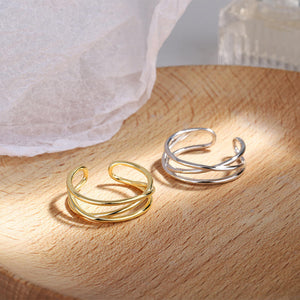
Bague de Superposition Or Argent — Argent Sterling 925, Bicolore
Une bague véritablement bicolore qui associe l'or et l'argent dans une seule pièce ajustable — exactement l'élément « de liaison » que réclame la règle du 2:1:1, pour que tout ensemble que vous construisez avec elle paraisse automatiquement intentionnel. 39,99 $.
Découvrir cette BagueLecture connexe : Argent 925 contre Argent 999 : Lequel est Préférable pour les Bijoux ?
Questions Fréquentes
Est-il acceptable de porter des bijoux en or et en argent ensemble ?
Oui. Mélanger l'or et l'argent est un conseil de stylisme bijoux standard depuis le début des années 2020 et est aujourd'hui plus courant que de posséder une collection à métal unique. Aucune règle d'étiquette ou de mode ne dit plus le contraire — la seule chose qui rend cela peu réussi, c'est de le faire sans aucun ratio intentionnel ni pièce de liaison.
Qu'est-ce que la règle du 2:1:1 en bijouterie ?
La règle du 2:1:1 est une formule de mélange simple : portez deux pièces dans votre métal dominant, une pièce dans votre métal d'accent, et une pièce qui combine déjà les deux métaux, comme une bague bicolore. Cette quatrième pièce « de liaison » est ce qui fait paraître la combinaison délibérée plutôt qu'accidentelle.
Peut-on porter des bagues en or et en argent ensemble ?
Oui — les bagues sont la catégorie la plus tolérante pour mélanger les métaux. Comme chaque bague se trouve sur un doigt différent et est perçue de façon relativement indépendante, vous pouvez combiner librement des bagues en or et en argent, surtout si au moins une bague de l'ensemble est une pièce bicolore qui relie visuellement les deux.
Peut-on porter des boucles d'oreilles en or et en argent ensemble ?
Cela dépend du style. Une seule paire de boucles d'oreilles puces est généralement plus belle dans un seul métal, puisque les deux oreilles sont vues ensemble en même temps et qu'un décalage s'y lit davantage comme une erreur qu'un choix de style. Si vous avez plusieurs piercings, en revanche, mélanger l'or et l'argent selon les piercings (une oreille composée) est très tolérant et largement stylisé de cette façon.
Est-ce élégant de porter de l'or et de l'argent ensemble ?
Oui. Les grandes publications de mode et de bijouterie présentent le stylisme métaux mélangés comme un look sophistiqué et intentionnel depuis plusieurs années, et non comme un raccourci ou une erreur. Ce qui paraît « peu élégant » est généralement un partage 50/50 non intentionnel sans pièce de liaison, plutôt que l'acte de mélanger lui-même.
Les hommes peuvent-ils porter de l'or et de l'argent ensemble ?
Oui, les mêmes principes s'appliquent indépendamment du genre. Une chaîne en or associée à une bague en argent, ou une montre en argent portée avec un bracelet en or, suit la même logique de métal dominant plus accent — choisissez un métal pour dominer et utilisez l'autre comme accent plus discret, ou ajoutez une pièce qui combine les deux.
Comment commencer à mélanger les métaux si je ne l'ai jamais fait ?
Commencez petit. Portez une bague dans votre métal habituel avec une bague ou un fin bracelet dans l'autre métal, et voyez comment vous vous sentez avant d'en ajouter davantage. Une pièce bicolore est l'article le plus simple à ajouter en premier, puisqu'elle fait le travail « de liaison » pour vous sans nécessiter de planifier un ratio complet.
Quelle est la différence entre mélanger les tons de métal et mélanger les finitions de métal ?
Le ton de métal désigne la couleur — or contre argent, ou même or jaune contre or rose. La finition désigne la texture — brillant très poli contre mat, brossé ou oxydé. Vous pouvez suivre parfaitement toutes les règles sur le mélange des tons et pourtant sentir qu'un look ne va pas si vous combinez une pièce brillante et très polie avec une pièce fortement texturée et mate. Assortir la finition, pas seulement la couleur, est souvent l'élément manquant lorsqu'un look métaux mélangés ne semble pas juste.
Mélanger des bijoux en or et en argent provoque-t-il un ternissement ou des dommages ?
Non. L'argent sterling ternit à cause de l'humidité, de l'air et des produits contenant du soufre, et le plaquage or s'use par frottement et exposition chimique — aucune de ces réactions n'a de lien avec le métal se trouvant à proximité. La seule précaution réelle est de ranger les pièces séparément afin qu'elles ne se rayent pas entre elles pendant le rangement, ce qui s'applique aussi aux bijoux du même métal.
Existe-t-il une raison spirituelle ou énergétique de ne pas mélanger l'or et l'argent ?
Certaines traditions astrologiques et populaires associent l'or à l'énergie solaire et l'argent à l'énergie lunaire, et un petit nombre de ces traditions déconseillent de les combiner pour des raisons symboliques. C'est un système de croyances, pas une règle scientifique ou de mode, et les points de vue varient considérablement d'une tradition à l'autre — de nombreuses sources centrées sur l'astrologie décrivent aussi les combinaisons or-argent comme équilibrantes plutôt que conflictuelles. Si cela compte pour vous personnellement, il vaut la peine de suivre les recommandations de votre propre tradition ; sinon, il n'y a aucune raison de mode ou de métallurgie d'éviter cette combinaison.
Réflexions Finales
Mélanger l'or et l'argent n'est ni une solution de contournement ni un compromis — c'est simplement la façon dont la plupart des gens portent leurs bijoux aujourd'hui. Commencez par la règle du 2:1:1, prêtez attention à si votre sous-ton tire vers le chaud ou le froid, et laissez au moins une pièce véritablement bicolore faire le pont visuel pour vous. Une fois que vous avez mélangé les métaux intentionnellement quelques fois, cela ne demande plus vraiment de réflexion.
Découvrez ce Guide
Écrit par l'équipe AJLuxe — spécialistes en bijoux personnalisés en argent sterling. Dernière mise à jour : juillet 2026.
Sources : Jewelers of America, American Academy of Dermatology, National Jeweler.
Toutes les marques, noms de marque et noms de produits tiers sont la propriété de leurs détenteurs respectifs. AJLuxe n’est affilié à aucune marque tierce citée dans cet article, ni approuvé ou sponsorisé par celle-ci. Les noms de marque sont utilisés uniquement à des fins de comparaison factuelle, et les descriptions de matériaux reflètent les spécifications produit publiées par chaque marque au moment de la rédaction.
You Might Also Like

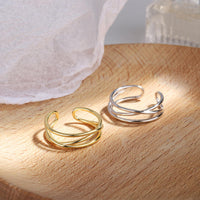
The piece they're describing → Bague empilable Or Argent pour Femme — Argent sterling 925, Bicolore, Ajustable
Personalize Yours


