


- Round polyurethane elastic (0.7mm–1mm) is the best all-purpose stretchy cord for beaded bracelets.
- Cord is sized by diameter in millimeters, not "small/medium/large" — match it to your bead hole size and bead weight.
- Flat elastic cord grips knots more securely than round cord because it has more surface area for the knot to bite into.
- A surgeon's knot (a double overhand knot) plus a small drop of glue is the standard way to keep stretchy cord from slipping loose.
- Thicker cord (1mm+) or bungee-style shock cord is worth the extra cost for heavy stone or statement beads.
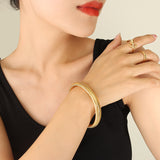
- If you'd rather skip the cord and knotting entirely, a ready-made stretch-fit bracelet delivers the same no-clasp comfort pre-finished.
If you've ever had a beaded bracelet snap mid-wear, the cord was almost always the problem — not the beads. Stretchy cord for bracelets comes in more variations than most first-time makers realize: different materials, different diameters, different knot-holding behavior. Below are the six types actually worth buying in 2026, what each one is genuinely good at, and how to size and knot whichever one you pick so it survives daily wear instead of a single season.
What Is Stretchy Bracelet Cord Called?
Stretchy bracelet cord is most commonly called "elastic cord" or "stretch cord," though crafters also know it by brand names like Stretch Magic (made by Pepperell Braiding Co.) or Beadalon Elastic. All three terms describe the same category of product: a round or flat elastic strand, usually made from polyurethane, designed to be strung with beads and knotted into a clasp-free bracelet that slides on and off by stretching.
The 6 Best Stretchy Cords for Bracelet Making
1. Round Polyurethane Elastic (Stretch Magic-Style)
Round polyurethane elastic is the best overall choice for most stretchy bracelets because it combines strong stretch recovery with a smooth, clear finish that disappears between beads. It's sold in diameters from about 0.5mm to 1.5mm, doesn't fray at the cut ends the way older latex cords did, and is widely available at craft stores and online bead suppliers. Use it as your default for single-strand bracelets with beads in the 4mm–8mm range.
2. Beadalon Elastic Cord
Beadalon Elastic Cord is a close alternative to Stretch Magic and is best for makers who want consistent stretch across a multi-bracelet batch. It's a similar polyurethane construction sold in comparable sizing, and many bead suppliers stock both side by side — if one is out of stock, the other is a safe swap without changing your bead-hole math.
3. Flat Elastic Cord
Flat elastic cord is best when knot security matters more than a rounded profile, because its wider, ribbon-like surface gives a knot more material to grip instead of slipping smooth. It works particularly well for bracelets with larger bead holes (like wood or acrylic beads) where round cord alone can pull too easily through a loose knot.
4. Elastic Beading Thread
Elastic beading thread is the best option for seed-bead and delicate designs because it's thinner and more flexible than cord, letting it pass through tiny 1mm–2mm bead holes multiple times. It's typically doubled or tripled through the beads for strength, since a single strand of thin elastic thread alone won't hold up to daily stretching.
5. Bungee or Shock Cord
Bungee-style shock cord is the best choice for heavy stone or statement-bead bracelets, since its braided fiber core wrapped in latex or polyurethane gives it more tensile strength than standard beading elastic. It's thicker (often 1.5mm–2mm+) and less common at craft stores, but worth seeking out specifically when your beads are large gemstone rounds or chips that would stress thinner cord.
6. Colored Elastic Cord
Colored elastic cord is best when you want the cord itself to be part of the design rather than invisible between beads — useful for gapped or spaced-out bead patterns where clear cord would otherwise stand out. It's made with the same polyurethane construction as clear elastic, just dyed, so durability is comparable; pick it for looks, not for extra strength.
Stretchy Cord Sizes Compared
The right stretchy cord size depends on your bead hole diameter and bead weight, not on the bracelet's overall size. Use the table below to match cord thickness to your project before you start stringing.

| Cord Diameter | Best For | Notes |
|---|---|---|
| 0.5mm | Seed beads, delicate single-strand designs | Thinnest common size; weakest knot-holding, so double or triple it through beads |
| 0.7mm | Small gemstone chips, 4mm–6mm beads | The most common all-purpose size for standard bracelets |
| 1mm | Standard 6mm–8mm beads, kids' bracelets | Strongest widely available size; holds knots well without doubling |
| 1.5mm+ | Chunky statement beads, multi-strand stacks | Thicker and more visible; best for weight, not for delicate looks |
How Do You Keep a Stretchy Bracelet From Breaking?
You keep a stretchy bracelet from breaking by tying a surgeon's knot — a double overhand knot pulled tight twice — instead of a single knot, then sealing it with a small drop of glue. Trim the tails close once the glue sets, and if possible thread each tail back through one nearby bead before trimming so the knot ends up hidden inside a bead rather than sitting exposed against skin, which is where most repeated-wear breaks start. Letting the glue fully cure before wearing the bracelet — rather than testing the stretch immediately — also matters more than most first-time makers expect.
Which Stretchy Cord Should You Buy?
For most bracelets, buy 0.7mm–1mm round polyurethane elastic cord (Stretch Magic or Beadalon) — it's the size and material that balances stretch, knot security and cost for the widest range of bead types. Step up to flat elastic or bungee cord only if you're working with heavy stone beads or large bead holes that a round cord tends to slip through. And if you'd rather skip the cord, beads and knotting altogether, AJLuxe's Gold Elastic Bangle Bracelet ($39.99) already delivers that same no-clasp, stretch-fit comfort pre-finished — 18K gold plated over 925 sterling silver, hypoallergenic, and built to stack straight out of the box rather than off a spool of cord.

Frequently Asked Questions
What is the best string to use for stretchy bracelets?
The best string for stretchy bracelets is round polyurethane elastic cord in 0.7mm–1mm, since it stretches without fraying and holds a knot more reliably than older latex-based stretch string.
What is the best cord to use for bracelet making?
For general bracelet making, 0.7mm–1mm polyurethane elastic cord (sold as Stretch Magic or Beadalon Elastic) is the best default, with flat elastic or bungee cord as upgrades for larger bead holes or heavier stones.
What is the stretchy bracelet string called?
It's most often called "elastic cord" or "stretch cord," and sometimes referred to by brand name — Stretch Magic and Beadalon Elastic are the two most recognized names in craft and bead stores.
What size stretch cord for bracelets?
Use 0.5mm for seed beads, 0.7mm for standard 4mm–6mm beads, 1mm for 6mm–8mm beads, and 1.5mm or thicker for chunky statement or multi-strand designs — match the cord to your bead hole size, not the bracelet's finished length.
How many knots does a stretchy bracelet need?
A stretchy bracelet needs at least a surgeon's knot — a double overhand knot — rather than a single knot, since one knot alone tends to loosen with repeated stretching; adding a small drop of glue on top makes it more secure still.
Toutes les marques, noms de marque et noms de produits tiers sont la propriété de leurs détenteurs respectifs. AJLuxe n’est affilié à aucune marque tierce citée dans cet article, ni approuvé ou sponsorisé par celle-ci. Les noms de marque sont utilisés uniquement à des fins de comparaison factuelle, et les descriptions de matériaux reflètent les spécifications produit publiées par chaque marque au moment de la rédaction.
You Might Also Like

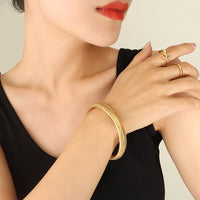
The piece they're describing → Bracelet jonc élastique doré pour femme — Plaqué or 18 carats, extensible, empilable
Personalize Yours


