


- “Sterling silver” = 92.5% pure silver + 7.5% alloy (usually copper), stamped “925.”
- It's not “100% real silver” — fine silver (999) exists but is too soft for rings, chains, or earrings that see daily wear.
- Genuine sterling silver holds resale/scrap value because of its actual silver content; silver-plated jewelry does not.
- It will tarnish over time (that's a chemical reaction with air, not a defect) but wipes clean with a polishing cloth.
- AJLuxe's pieces are 925 sterling silver, some finished with 18K gold plating over the silver base, priced $24.99–$79.99 and made to be hypoallergenic.
“Sterling silver jewelry” shows up in searches attached to very different questions — is it good quality, is it worth anything, is it even real silver — and the honest answer to all three is “it depends on the stamp.” This guide breaks down what 925 actually means, how it stacks up against fine silver and silver-plated pieces, and how to keep it looking new for years instead of tarnishing in a drawer.
What Is Sterling Silver Jewelry?
Sterling silver jewelry is any piece made from an alloy that's 92.5% pure silver and 7.5% other metal, almost always copper, which is why it's marked “925.” Pure silver (999, or “fine silver”) is naturally soft — soft enough that a ring made from it would bend out of round from normal wear within weeks. Adding that 7.5% of copper hardens the metal enough to hold prongs, clasps, and hoop shapes while keeping nearly all of silver's bright, reflective color. It's the same reasoning jewelers apply to gold: 24K gold is also too soft for rings, which is why 14K and 18K gold alloys exist.
Is Sterling Silver Good Quality for Jewelry?
Yes, sterling silver is considered good quality for jewelry precisely because the alloying process solves pure silver's biggest weakness — softness — without diluting it so much that it stops looking or behaving like silver. A 925 stamp is a globally recognized quality marker, the same way “14K” or “18K” signals gold content. The trade-off is that the copper in the alloy is reactive: it's what causes tarnish over time, not a flaw in the silver itself. Quality sterling silver, stored and cleaned properly, can last for decades — it's a durability profile, not a expiration date.
Is Sterling Silver Jewelry Worth Money?
Yes, genuine 925 sterling silver jewelry carries real value because 92.5% of its weight is actual silver, a precious metal traded on commodity markets — unlike silver-plated jewelry, which is a base metal (often brass or copper) with a microscopically thin silver layer over it that has essentially no scrap value once worn through. That said, the “worth” of a piece you buy retail is mostly in the design, craftsmanship, and brand, not melt value — a $39.99 pair of sterling silver earrings won't resell for anywhere near that at a scrap buyer. The distinction matters most when comparing two pieces at similar prices: always check for the 925 stamp before assuming “silver” jewelry actually contains silver.
Is Sterling Silver 100% Real Silver?
No, sterling silver is not 100% silver — it's 92.5% pure silver by weight, with the remaining 7.5% made up of other metals (typically copper) added for strength. It is, however, genuinely real silver, not a plating or imitation: the entire piece, not just its surface, is that 92.5% alloy. The only way to get closer to 100% is “fine silver” (999), which is rarely used for wearable jewelry because it's too soft to hold detailed shapes or survive daily wear.
Is 100% Silver Better Than 925 for Jewelry?
No, for wearable jewelry 925 sterling silver is the better choice than fine (999) silver, because the small drop in purity buys a large gain in durability. Fine silver's near-total purity is prized for bars, coins, and some cast art pieces, but it dents, scratches, and bends far too easily for rings, bracelets, or earrings worn regularly. Here's how the common options compare:
| Metal Type | Silver Purity | Durability | Tarnish Resistance |
|---|---|---|---|
| 999 Fine Silver | 99.9% | Low — soft, dents and bends easily | Better than sterling, but too soft for daily-wear pieces |
| 925 Sterling Silver | 92.5% | High — holds shape and detail for years | Tarnishes gradually; cleans back to bright with polishing |
| Silver-Plated | Trace — thin silver layer over base metal | Low — plating wears through with use | Poor once the plating wears off the base metal underneath |
| Stainless Steel | None | Very high — scratch-resistant | Excellent, but it isn't silver at all |
For anything you'll wear more than a few times — stud earrings, an everyday ring, a layering necklace — 925 sterling silver is the practical middle ground between “real silver” and “survives real life.”
How Do You Care for Sterling Silver Jewelry?
Sterling silver stays brightest with three habits: keep it dry, keep it separate, and wipe it after wear. Sweat, lotion, chlorine, and humid air all speed up the tarnish reaction with the copper in the alloy, so taking pieces off before showering, swimming, or applying perfume helps the most. Store each piece in its own soft pouch or a lined box rather than tossed loose in a drawer, since silver scratches other silver and tarnishes faster in open air. A quick pass with a dedicated silver polishing cloth after wearing removes surface tarnish before it builds up, and for gold-plated sterling silver pieces, stick to a soft dry cloth only — avoid dips and abrasive cleaners, which can wear through the plating layer.
Which Sterling Silver Piece Should You Choose?
If you want to feel the quality difference for yourself, start with a piece that's 925 sterling silver straight through rather than plated — AJLuxe's Silver Hoop Earrings ($31.99) are a solid, hypoallergenic example: classic 925 sterling silver, no plating to wear through, and light enough for daily wear. If you'd rather have the warmth of gold with the strength of sterling underneath, look at the 18K gold-plated options in the same hoop styles — either way, check for that 925 stamp before you buy, because it's the one detail that separates real sterling silver from a look-alike. All AJLuxe pieces are made from 925 sterling silver, some finished with 18K gold plating, and backed by more than 40,000 customers who've already made that comparison.

Frequently Asked Questions
Is sterling silver good quality for jewelry?
Yes — sterling silver's 92.5% purity combined with a hardening alloy gives it the durability everyday jewelry needs while still being recognized worldwide as genuine silver. It's the industry-standard choice for rings, earrings, and chains that need to survive daily wear.
Is sterling silver jewelry worth money?
Yes — because 92.5% of a sterling silver piece's weight is actual precious-metal silver, it carries real material value, unlike silver-plated jewelry, which has almost no silver content once you account for the base metal underneath. Its resale value at a retail level, however, depends mostly on design and craftsmanship, not just metal content.
Is sterling silver 100% real silver?
No — sterling silver is 92.5% pure silver and 7.5% other metal (usually copper), not 100% silver. It is still genuine, solid silver throughout the piece, just not fully pure, which is what makes it durable enough to wear.
Is 100% silver better than 925 for jewelry?
No — for wearable jewelry, 925 sterling silver is the better choice because fine (999) silver is too soft to hold its shape under daily use, denting and bending far more easily. Fine silver's near-total purity is better suited to bars, coins, or decorative pieces that aren't worn.
How do you care for sterling silver jewelry?
Keep sterling silver dry, store it separately in a soft pouch, and wipe it with a polishing cloth after wearing to prevent tarnish from building up. Removing it before showering, swimming, or applying lotion and perfume slows the tarnishing reaction significantly.
Does sterling silver tarnish?
Yes — the copper in sterling silver's alloy reacts with air and moisture over time, causing a darkened tarnish layer on the surface. This isn't a sign of poor quality; it wipes off easily with a silver polishing cloth, and the metal underneath stays fully intact.
For more on how silver purity and jewelry marking standards are defined, see the U.S. Federal Trade Commission's consumer protection resources: https://www.ftc.gov.
You Might Also Like
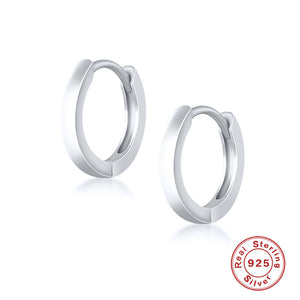
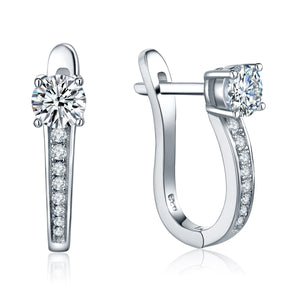
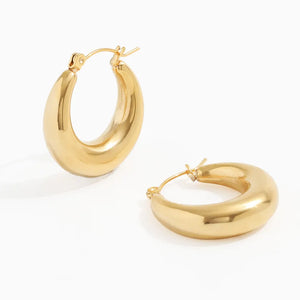

The piece they're describing → Silver Hoop Earrings for Women — 925 Sterling Silver, Hypoallergenic, Minimalist
Personalize Yours

