


Quick Summary
- The September birthstone is sapphire — one of the most prized gemstones in history, best known for its rich blue color.
- Sapphire rates Mohs 9 (second only to diamond), making it exceptionally durable for everyday wear.
- Beyond classic blue, sapphire comes in pink, yellow, orange, purple, and the rare padparadscha (salmon-pink) variety.
- Quality is determined by the "Four Cs" — color, cut, clarity, and carat — with color being the most important factor.
- To care for sapphire jewelry, clean it with mild soap and warm water; avoid ultrasonic cleaners on treated stones.
If your birthday falls in September, your birthstone is the sapphire — a gemstone that has captivated royalty, priests, and lovers for thousands of years. The September birthstone is beloved for its stunning deep blue hue, but sapphire actually spans a breathtaking spectrum of colors. Whether you're shopping for a September birthday gift or simply curious about what makes this gem so special, this guide covers everything you need to know about sapphire's history, colors, quality markers, and how to wear it beautifully.
What Is the September Birthstone?
Sapphire is the official September birthstone, recognized by the American Gem Society and the Gemological Institute of America (GIA). It belongs to the corundum mineral family — the same family as ruby. In fact, the only difference between a ruby and a sapphire is color: red corundum is called ruby; every other color of gem-quality corundum is called sapphire.
The name "sapphire" comes from the Latin sapphirus and the Greek sappheiros, both meaning "blue stone." It's been treasured for millennia — ancient Persians believed the sky was painted blue by the reflection of sapphires, and medieval clergy wore sapphire rings as symbols of heaven and divine favor.
Today, sapphire remains one of the four precious gemstones (alongside diamond, ruby, and emerald), and it's a perennial favorite for engagement rings, pendants, and statement earrings.
Sapphire Colors: Far More Than Blue
When most people picture sapphire, they see a deep, velvety blue. And that's the most iconic variety — but sapphire's color range is genuinely surprising.
Classic Blue Sapphire
Blue is the signature color, ranging from pale cornflower blue to an inky midnight navy. The most coveted shade is a medium-to-vivid royal blue with violet undertones, famously found in Kashmir, Burma (Myanmar), and Sri Lanka. The color comes from trace amounts of iron and titanium in the crystal lattice. Kashmir sapphires, mined in a remote Himalayan valley in the 1880s, are considered the gold standard — their "velvet" blue with a slight milky haze is irreplaceable and commands extraordinary prices at auction.
Pink Sapphire
Pink sapphires range from soft blush to hot magenta. They've surged in popularity over the last decade as an alternative to pink diamonds, offering striking color at a fraction of the cost. The line between a light pink sapphire and a ruby is technically defined by color saturation — ruby must reach a minimum red intensity. Pink sapphires below that threshold are classified as pink sapphire, which can make them a more accessible option without sacrificing beauty.
Yellow and Orange Sapphire
Yellow sapphires get their color from iron and can range from pale lemon to rich golden amber. They're a popular choice for those who love the look of yellow diamonds without the price tag. Orange sapphires — especially those with a reddish-orange hue — are vivid and eye-catching.
Padparadscha Sapphire
This is the rarest and most collectible variety. The name comes from the Sinhalese word for "lotus blossom," and the color matches it perfectly: a delicate blend of pink and orange, like a tropical sunset. Padparadscha sapphires command premium prices, and there's actually some disagreement among gemologists about exactly which shades qualify — the debate itself speaks to how unique and nuanced this variety is.
Other Colors
Sapphire also comes in purple, violet, green, and colorless (called "white sapphire"). Color-change sapphires — which shift from blue in daylight to purple under incandescent light — are a particularly interesting collector's variety.
Sapphire Hardness and Durability
One of sapphire's biggest practical advantages is its remarkable hardness. It scores 9 out of 10 on the Mohs scale, placing it just below diamond (10) and significantly above most other popular gemstones. This means sapphire resists scratches from virtually everything it encounters in daily life — keys, countertops, other jewelry — making it an ideal stone for rings, bracelets, and any piece worn regularly.
It's also chemically stable and resistant to most acids, and it doesn't have cleavage planes that would make it prone to splitting. For context, emeralds (Mohs 7.5–8) and opals (Mohs 5.5–6.5) require much more careful handling. Sapphire is genuinely one of the most durable gemstones you can wear every day.

The Treatment Question Most Guides Don't Answer Clearly
Nearly all commercially available blue sapphire has been heat-treated to improve or deepen its color — this is standard, disclosed, and doesn't reduce durability. What most guides don't clarify is the price gap this creates: untreated ("no heat") sapphire with fine color is dramatically rarer and can cost several times more per carat than an otherwise identical heat-treated stone. If you're buying an investment-grade or heirloom piece, ask specifically whether the stone is "no heat" and request a lab report (GIA or AGL) confirming it — for everyday fine jewelry, heat-treated sapphire is the practical, honest, and widely accepted choice.
A second underreported fact: sapphire and ruby are the same mineral, corundum — sapphire is just the name for every corundum color except red, which is called ruby. So a September birthstone shopper technically has access to the entire corundum color range (pink, yellow, green, purple, and the rare orange-pink "padparadscha") under the sapphire name, not just blue.
How to Judge Sapphire Quality: The Four Cs
The same four criteria used for diamonds apply to sapphires, though the relative importance differs. Here's a quick comparison to help you shop smart:
| Quality Factor | What to Look For | Why It Matters | Priority |
|---|---|---|---|
| Color | Medium-to-vivid saturation; royal blue (for blue sapphire); no gray or brown masking | Color drives 80%+ of a sapphire's value | Highest |
| Cut | Well-proportioned; no "windowing" (pale washed-out center); good brilliance | A poor cut dulls color and reduces sparkle | High |
| Clarity | Eye-clean preferred; some inclusions acceptable if they don't reduce durability | Sapphires are a Type II gemstone — minor inclusions are normal | Medium |
| Carat Weight | Fine sapphires above 2ct are significantly rarer and pricier than diamonds of the same weight | Price jumps steeply above 1ct for premium-quality stones | Variable |
One more factor that's critical for sapphires specifically: heat treatment. The vast majority of sapphires on the market (estimates run at 90%+) have been heat-treated to improve color and clarity. This is a widely accepted, permanent, and stable enhancement — it doesn't reduce the stone's value dramatically. However, untreated sapphires with documented natural color command a significant premium. If you're investing in a high-value stone, ask for a certificate from GIA, AGL, or Gübelin that specifies treatment status.
Where Does Sapphire Come From?
Sapphire is mined on nearly every continent, but certain origins are legendary for their quality:
Kashmir, India
The benchmark for blue sapphire. These deposits were discovered in the 1880s and largely exhausted within decades. Authenticated Kashmir sapphires are extraordinarily rare and valuable today — they're more museum pieces than everyday jewelry gems.
Burma (Myanmar)
Burmese sapphires, especially from the Mogok Valley, produce vivid royal blues with strong fluorescence. They're second only to Kashmir in prestige for blue sapphires.
Sri Lanka (Ceylon)
Sri Lankan sapphires are well-known for their cornflower blue and pastel shades. The famous 12-carat blue sapphire in Princess Diana's engagement ring (now worn by Princess Catherine) is Sri Lankan. Ceylon sapphires tend to be lighter in tone and are widely available across price points.
Montana, USA
Montana produces uniquely colored sapphires with steely blue, teal, and parti-color tones. They're a great choice for buyers seeking ethically sourced, domestic stones.
Madagascar and Australia
Madagascar has emerged as a major producer of high-quality blue and pink sapphires. Australian sapphires tend toward a dark blue-green and are often used in commercial jewelry.
Sapphire Meaning and Symbolism
Sapphire's symbolism runs deep across cultures and centuries. Here's what this gem has meant to different people throughout history:
- Wisdom and truth: Ancient Greeks and Romans associated sapphire with Apollo and sought his guidance through sapphire talismans. Medieval scholars wore sapphires believing they sharpened the mind and promoted clear thinking.
- Loyalty and faithfulness: This is why sapphires became a favorite stone for engagement rings long before diamonds dominated the category. Prince Charles chose a sapphire for Princess Diana's ring specifically to symbolize devotion.
- Royalty and nobility: Kings and queens across Europe and Asia prized sapphire as a symbol of divine right and noble status. The British Crown Jewels include several notable sapphires, including the Stuart Sapphire in the Imperial State Crown.
- Protection: In the Middle Ages, sapphire was believed to protect the wearer from envy, fraud, and physical harm.
- Healing: Traditional healing systems associated sapphire with calming the mind, reducing anxiety, and supporting focus — symbolism that still resonates in crystal wellness communities today.
In modern gift-giving, sapphire jewelry is the traditional 45th anniversary gem and, of course, the go-to September birthday gift. It carries weight as a meaningful, lasting present.
How to Care for Sapphire Jewelry
Sapphire's hardness makes it low-maintenance compared to many other gemstones, but a few guidelines will keep it looking its best for decades.
Cleaning
The safest method is warm water with a few drops of mild dish soap and a soft toothbrush. Gently scrub around the setting to remove oil and buildup, then rinse thoroughly and pat dry with a lint-free cloth. This works well for all sapphires, treated or untreated.
Ultrasonic cleaners are generally safe for heat-treated sapphires but should be avoided for stones with significant inclusions, fracture-filling treatments, or unusual enhancements. If you're not sure about your stone's treatment history, stick to hand-cleaning.
Storage
Store sapphire jewelry separately from other pieces — even though sapphire is very hard, it can scratch softer stones like pearls, opals, or turquoise if they come into contact. A soft pouch or individual compartment in a jewelry box works perfectly.
Wearing
Sapphire handles daily wear beautifully. You can swim in it (chlorine won't damage the stone, though it can affect gold-plated settings over time), work out in it, and wear it to sleep without worry. The one caution: avoid harsh chemical exposure — bleach and strong cleaning products can damage metal settings even when they leave the stone itself unaffected.
Choosing Sapphire Jewelry: Styles and Settings
The right sapphire piece depends on your lifestyle, budget, and the look you're after. A few things to consider:
Pendants and Necklaces
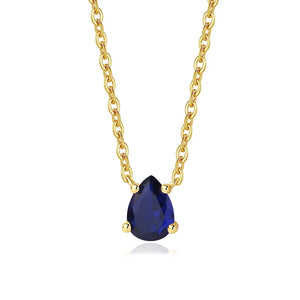
Sapphire pendants are the most versatile entry point. A dainty blue sapphire drop on a sterling silver or gold-plated chain adds subtle color without overwhelming an outfit. They work beautifully for everyday wear and are a popular September birthday gift because they feel personal and wearable.
Rings
Sapphire's Mohs 9 hardness makes it genuinely suited for rings, including engagement rings — unlike softer stones (emerald, opal) that chip with daily hand use. Look for protective settings like bezels or halos if you're buying a ring you'll wear constantly.
Earrings
Sapphire studs in sterling silver are a classic, low-maintenance choice. For a modern look, consider asymmetric styles or hoops with sapphire accents.
Metal Pairing
Blue sapphire looks stunning in both white and yellow metals. White gold and silver enhance the cool blue tones; yellow gold or 18K gold plating creates a rich, vintage contrast. Pink sapphire pairs especially well with rose gold tones. If you're sensitive to metal allergies, 925 sterling silver (the base in quality gold-plated pieces) is hypoallergenic and a safe choice for most people.
According to the GIA's sapphire quality guide, color is the single most important quality factor — prioritize a stone whose color moves you over chasing perfect clarity or carat size.
Frequently Asked Questions About the September Birthstone
What is the September birthstone?
The September birthstone is sapphire. It's one of the four precious gemstones, belonging to the corundum mineral family. While it's most famous for its deep blue color, sapphire comes in nearly every color of the rainbow — including pink, yellow, orange, purple, and the rare salmon-pink padparadscha variety. It's been treasured by royalty and spiritual leaders for thousands of years.
What color is the September birthstone?
The classic September birthstone color is a rich, deep blue — often called "royal blue" or "cornflower blue." However, sapphire naturally occurs in almost every color, including pink, yellow, orange, purple, green, and colorless. The only color corundum can't be called a sapphire is red — red corundum is called ruby. For September, the blue varieties are most traditional, but there's no rule that says your sapphire has to be blue.
What is padparadscha sapphire?
Padparadscha is the rarest and most valuable variety of sapphire. Its name comes from the Sinhalese word for "lotus blossom," and the color is a delicate, unique blend of pink and orange — like a tropical sunset reflected in still water. It's found primarily in Sri Lanka, Madagascar, and Tanzania. Padparadscha sapphires are highly collectible, and even gemologists debate the precise color boundaries that qualify a stone as true padparadscha versus just pink or orange sapphire.
Is sapphire more durable than diamond?
No — diamond is the hardest natural material on earth at Mohs 10, while sapphire rates Mohs 9. But that single point of difference is enormous in practical terms: only diamond can scratch sapphire, and sapphire can scratch almost everything else. For jewelry purposes, sapphire is one of the most durable gemstones available and handles everyday wear far better than most alternatives like emerald, opal, or pearl.
Are most sapphires treated?
Yes — the vast majority of sapphires sold today (estimates suggest 90% or more) have been heat-treated to improve or stabilize their color and clarity. Heat treatment is a permanent, stable process that's been used for centuries and is widely accepted in the gem trade. It doesn't significantly reduce a stone's value in most cases. Untreated sapphires with fine natural color command a premium and should come with certification from a respected lab like GIA or AGL confirming their treatment status.
What's the difference between a ruby and a sapphire?
Both ruby and sapphire are the same mineral: corundum (aluminum oxide). The only difference is color. Red corundum is classified as ruby; all other gem-quality corundum colors are sapphires. The line between a "pink sapphire" and a "ruby" is technically defined by the depth of red saturation — a stone must reach a minimum red intensity to qualify as ruby. Some labs differ slightly on where that line falls, which is why you'll sometimes see a stone described differently depending on who certified it.
What does sapphire symbolize?
Sapphire has been associated with wisdom, loyalty, faithfulness, and nobility throughout history. Ancient Greeks and Romans linked it to the god Apollo and believed it sharpened the intellect. Medieval clergy wore sapphires as symbols of heaven. In modern gift-giving, sapphire represents loyalty and commitment — which is partly why it became a beloved engagement ring stone. It's also the traditional 45th anniversary gemstone.
How should I clean sapphire jewelry at home?
The safest home cleaning method is warm water with a few drops of mild dish soap and a soft toothbrush. Gently scrub the stone and setting to remove oils and residue, rinse well, and dry with a lint-free cloth. This is safe for all sapphires, treated or untreated. Ultrasonic cleaners are generally fine for standard heat-treated sapphires but should be avoided if your stone has significant inclusions, fracture-filling, or other treatments you're not sure about.
Can I wear sapphire jewelry every day?
Absolutely — sapphire's Mohs 9 hardness makes it one of the best gemstones for daily wear. It resists scratches from normal life activities, holds up well in water (though prolonged chlorine exposure can affect gold-plated metal settings), and doesn't need special handling. It's a better choice for everyday rings and bracelets than softer stones like opals (Mohs 5.5–6.5) or emeralds (Mohs 7.5–8). Just store it separately from other jewelry to avoid scratching softer pieces.
What's the most valuable sapphire origin?
Kashmir, India produces the most prized sapphires in the world — their characteristic "velvety" royal blue with a subtle haziness is unlike any other origin. Kashmir deposits were largely exhausted in the early 20th century, making authenticated Kashmir sapphires extraordinarily rare. Burmese (Myanmar) sapphires are a close second for prestige. Sri Lankan (Ceylon) sapphires are more available across price points and are famous for cornflower and pastel blues. For buyers seeking ethically sourced domestic stones, Montana (USA) produces unique steely blue and teal sapphires.
If you're looking for a meaningful September birthday gift or want to celebrate your own birth month in style, explore our collection of birthstone necklaces at AJLuxe. Our pieces are crafted in 925 sterling silver with 18K gold plating — hypoallergenic, durable, and designed for the kind of everyday elegance that doesn't quit. Dainty enough to layer, beautiful enough to stand alone, and priced to make a thoughtful gift without the sticker shock — all between $20 and $80.
You Might Also Like
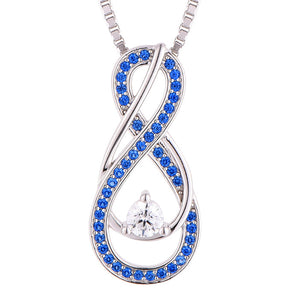
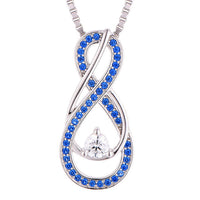
The piece they're describing → September Birthstone Necklace for Women — Sapphire Blue Infinity Pendant, 925 Sterling Silver (ES)
Personalize Yours

