

- Ethically sourced jewelry means metals and stones traced to verified, conflict-free, fair-labor origins — recycled metal and lab-grown or certified stones are the two most common proof points.
- No single "official" body certifies all of ethical fine jewelry; look for a brand's own published traceability data, not vague "ethical" language.
- Pandora is the largest mass-market brand with a verified, dated ethical shift: 100% recycled silver and gold since 2023, lab-grown-only diamonds since 2021.
- Brilliant Earth, Linjer, Vrai, Article22, and Aurate are real, purchasable brands built around ethical sourcing as their core positioning, not a side claim.
- The "2:1:1 rule" people also search alongside this topic is a styling guideline (2 pieces on the hands, 1 necklace, 1 pair of earrings) — it's about balance, not ethics.
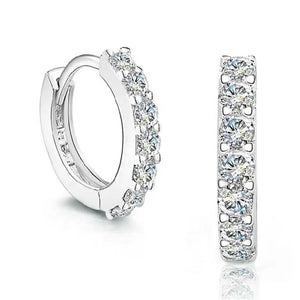
- AJLuxe doesn't publish a supply-chain traceability report, so we're not calling ourselves "ethically sourced" here — what we can state factually is that every piece is genuine 925 sterling silver with 18K gold plating, hypoallergenic, and never base metal dressed up as gold.
"Ethical" is one of the most overused words in jewelry marketing, which is exactly why it's worth a direct answer instead of a feel-good paragraph. Below is what the term actually requires, how to check a brand's claims yourself, and a straight look at which real companies back the word up with something you can verify — not just a badge on their homepage.
What Does "Ethically Sourced Jewelry" Actually Mean?
It means the metal and stones in a piece can be traced to an origin that avoids funding conflict, forced labor, or unregulated mining, and the brand can show its work rather than just assert it. In practice that shows up as one or more of: recycled precious metal (so no new mining is required), lab-grown gemstones (grown, not extracted), Kimberley-Process-compliant or fully traceable mined diamonds, and disclosed supplier or factory information. A brand doing this well will name the specific mechanism ("100% recycled silver," "lab-grown diamonds since 2021") rather than lean on the adjective alone.
What Should You Actually Look For? A Quick Checklist
Look for a specific, checkable claim in at least three of these five areas before trusting an "ethical" label.
- Recycled metal content — stated as a percentage ("100% recycled gold," not "eco-friendly metal").
- Stone origin — lab-grown, or mined stones with documented chain-of-custody back to a specific mine or region.
- Labor transparency — named factories, artisan cooperatives, or fair-labor audits, not just "ethically made."
- A dated commitment — a real brand names the year a change happened (Pandora's 2021 and 2023 shifts, for example) instead of an evergreen, unverifiable claim.
- Third-party involvement — membership or certification from an actual standards body, not a brand's own self-issued seal.
What Is the Most Ethical Jewelry Company?
There isn't one universally agreed "most ethical" jewelry company, because no single body ranks brands on ethics the way GIA grades a diamond's cut — but a handful of companies stand out for publishing specific, verifiable sourcing practices instead of vague claims. The table below compares real, purchasable brands (not review sites or forums) on what they actually disclose.
| Brand | Known For | Category |
|---|---|---|
| Brilliant Earth | Traceable diamond sourcing and recycled precious metals, with published traceability information per piece | Fine jewelry, engagement |
| Pandora | 100% recycled silver and gold across its own manufacturing (reached in 2023), lab-grown-only diamonds since 2021 | Mass-market fine jewelry |
| Linjer | Publishes cost and sourcing breakdowns for individual pieces ("radical transparency" pricing pages) | Minimalist direct-to-consumer fine jewelry |
| Vrai | Lab-grown diamonds exclusively, marketed with a lower-emissions growing process | Fine jewelry, engagement |
| Article22 | Metal upcycled from decommissioned war-era ordnance in Laos, made through an artisan cooperative model | Handcrafted brass jewelry |
| Aurate | Recycled gold and conflict-free stones as a stated default across its line | Direct-to-consumer fine jewelry |
The pattern worth noticing: the brands with the most credible claims are the ones that name a mechanism and a date. "Recycled since 2023" is checkable. "Committed to sustainability" is not.
Is Pandora an Ethical Company?
Pandora is the largest jewelry brand with a publicly dated, verifiable ethical-sourcing shift, though it's a mass manufacturer rather than a boutique "ethical brand" built around the concept from day one. The company committed in 2020 to using only recycled silver and gold across its own manufacturing, reached that milestone by the end of 2023, and separately discontinued mined diamonds in favor of lab-grown diamonds starting in 2021. That combination — a stated year, a stated percentage, and a stated material change — is what distinguishes a checkable claim from marketing language, and it's a fair example to point to when someone asks whether a big, affordable brand can also be a more responsible one.
What Is the 2:1:1 Rule in Jewelry?
The 2:1:1 rule is a jewelry-styling guideline, not an ethics or sourcing standard, even though it often surfaces in the same searches. It suggests wearing two pieces on the hands (rings or a stacked bracelet), one necklace as an anchor, and one pair of earrings to frame the face — using the hands to carry more visual movement since they're already expressive, while keeping the neckline and face simpler. It's a proportion rule for how much jewelry to layer at once, useful to know but unrelated to whether that jewelry was ethically made.
Where Reddit and TheGoodTrade Fit In (Research, Not Retail)
Communities like Reddit and publications like TheGoodTrade are useful for research on this topic, but they aren't jewelry brands and shouldn't be confused with places to buy from. Reddit threads (r/EngagementRings, r/JewelryMaking, and similar) are worth reading for unfiltered buyer experiences with specific brands' ethical claims holding up — or not — after purchase. TheGoodTrade is a sustainable-living media outlet that vets and rounds up ethical brands across categories, including jewelry, and functions more like a guide than a store. Treat both as due-diligence stops before you buy, not as the purchase itself.
Where AJLuxe Fits In
AJLuxe doesn't currently publish a supply-chain traceability report or hold a third-party ethical-sourcing certification, so we're not going to claim "ethically sourced" here just because it's the topic of the article — that would be exactly the kind of unverifiable label this guide is warning you about. What we can state as fact: every AJLuxe piece is genuine 925 sterling silver with 18K gold plating, never a base-metal alloy marketed as gold, and it's made to be hypoallergenic. If ethical sourcing documentation specifically is the deciding factor in your purchase, the brands in the comparison table above are the ones to shop. If honest material disclosure, hypoallergenic construction, and gift-ready affordable pricing ($24.99–$79.99) are what you're after, that's where AJLuxe's 925 sterling silver collection is a genuine fit.
For general standards around responsible practices in the jewelry industry, the Responsible Jewellery Council is a real, independent body worth knowing about.
Frequently Asked Questions
What is the most ethical jewelry company?
There's no single official "most ethical" winner, since no standards body ranks jewelry brands on ethics overall — but Brilliant Earth, Linjer, Vrai, Article22, and Aurate stand out for publishing specific, dated, checkable sourcing practices rather than vague claims.
What is the 2:1:1 rule in jewelry?
It's a styling guideline, not an ethics standard: two pieces on the hands, one necklace as an anchor, and one pair of earrings, aimed at balancing how much jewelry you layer at once.
What is ethically sourced jewellery?
It's jewelry made from metals and stones that can be traced to conflict-free, fair-labor origins, most commonly proven through recycled metal content, lab-grown or certified stones, and a brand's disclosed supplier information.
Is Pandora an ethical company?
Pandora has a publicly dated, verifiable ethical-sourcing record: 100% recycled silver and gold across its own manufacturing since 2023, and lab-grown-only diamonds since 2021, making it one of the few mass-market brands with checkable rather than vague claims.
Is sterling silver considered ethically sourced?
Sterling silver isn't automatically ethically sourced just because it's silver — the metal itself has to be recycled or traced to a responsible mine for the claim to hold, since 925 sterling silver simply describes purity (92.5% silver), not where or how it was mined.
How can you tell if a jewelry brand is actually ethical, not just marketing it?
Check whether the brand names a specific mechanism and a date — a stated recycled-metal percentage, a year mined stones were dropped for lab-grown ones, or a named factory or cooperative — rather than only using the word "ethical" or "sustainable" without backing it up.
You Might Also Like
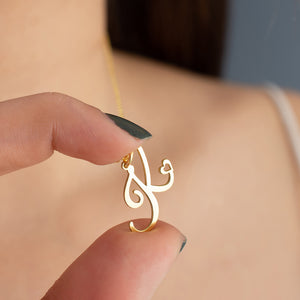
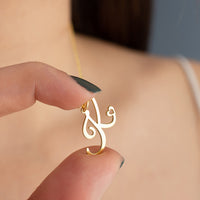
The piece they're describing → Heart Initial Necklace for Women — 18K Gold Plated, Personalized Letter + Heart Pendant
Personalize Yours

