


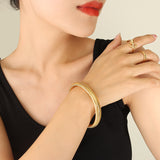
- Elastic/stretch cord is the easiest choice for beginners — no clasp needed — but it's the first material to wear out with regular stretching.
- Nylon beading thread (like C-Lon or Nymo) is best when you're knotting between beads, especially for pearls or delicate gemstone chips.
- Nylon-coated beading wire (Tiger Tail, Beadalon) is the most durable option overall for heavy or sharp-edged beads.
- Silk thread is the traditional choice for hand-knotted pearl and fine gemstone bracelets.
- The “two-finger rule” is the standard sizing check for stretch bracelets — you should be able to slip two fingers under the strand when it's on your wrist.
- Prefer a finished piece over a DIY project? AJLuxe's Gold Elastic Bangle Bracelet ($39.99) already uses a stretch-fit build with no stringing required.
Walk into the beading aisle and you'll find a wall of spools — elastic, nylon, silk, wire, cord — with no obvious winner. The right one isn't universal; it depends on how heavy your beads are, whether the holes are sharp or smooth, and whether you want a clasp or a slip-on fit. Here's how the six most common options actually compare, plus the sizing and mistake-avoidance basics that determine whether a bracelet survives its first month of wear.
6 Best Types of String for Beaded Bracelets
The six materials below cover almost every beaded bracelet project, from a five-minute stretch bracelet to a hand-knotted pearl strand.
1. Elastic/Stretch Cord
Elastic cord is the best choice for quick, clasp-free bracelets because beads simply slide on and the finished loop stretches over the hand. It's the most beginner-friendly material on this list — no crimps, clasps or wire tools required, just a secure knot and a dab of glue. The tradeoff is lifespan: repeated stretching breaks down the elastic's core over months of daily wear, so it's better suited to stackable, low-cost pieces than a bracelet you want to hand down.
2. Nylon Beading Thread (C-Lon, Nymo, etc.)
Nylon beading thread is the standard choice when you're knotting a small gap between each bead, which both spaces out the beads and protects them from rubbing against each other. It's thin, flexible and takes dye well, which is why it's the go-to for seed-bead and gemstone-chip bracelets with a soft, draped look. It's not as strong as wire, so it's a poor match for heavy stones or sharp-holed beads that can saw through the strand over time.
3. Silk Thread
Silk thread is the traditional material for hand-knotted pearl and fine gemstone bracelets because its natural give lets a knot sit snugly against each bead without stiffness. It's been the standard for pearl stringing for generations for exactly that reason — it drapes rather than stiffens the strand. It's more delicate than synthetic thread and benefits from conditioning wax to resist fraying at the knots.
4. Beading Wire (Nylon-Coated Stainless Steel)
Beading wire — sold under names like Tiger Tail or Beadalon — is generally the most durable stringing material because a nylon coating over multiple twisted steel strands resists fraying, stretching and breaking far better than any thread. It's the right call for heavier beads, sharp crystal or glass edges, and bracelets that need to survive daily wear without re-stringing. It requires crimp beads and a clasp rather than a simple knot, so it's a step up in tools and technique from elastic or thread.
5. Waxed Cotton or Linen Cord
Waxed cotton or linen cord is best for bracelets with large-holed beads, wood, or a natural, rustic look, since its thickness and texture show between beads rather than disappearing. The wax coating adds some water and fray resistance, though it's still less durable than wire or Fireline. It knots easily and holds a shape well, which makes it a favorite for macrame-style and adjustable sliding-knot bracelets.
6. Fireline (Gel-Spun Polyethylene Thread)
Fireline is a fishing-line-derived thread that beaders use for its exceptional strength relative to its thin diameter, which makes it a strong alternative to nylon thread for seed-bead and beadweaving projects. It resists stretching and fraying better than nylon thread, though it's stiffer and doesn't take a knot quite as smoothly as silk. It's a good middle ground when you want more durability than nylon thread but don't want to switch to wire and crimps.
| String Type | Best For | Durability | Skill Level |
|---|---|---|---|
| Elastic/Stretch Cord | Quick slip-on stacks, lightweight beads | Low–moderate | Beginner |
| Nylon Thread (C-Lon, Nymo) | Knotted gemstone chips, seed beads | Moderate | Beginner–intermediate |
| Silk Thread | Hand-knotted pearls, fine gemstones | Moderate | Intermediate |
| Beading Wire (nylon-coated) | Heavy or sharp-holed beads, daily wear | High | Beginner–intermediate |
| Waxed Cotton/Linen Cord | Large-holed beads, wood, rustic styles | Moderate | Beginner |
| Fireline | Beadweaving, seed beads needing extra strength | High | Intermediate |
What Are the Most Common Beading Mistakes?
The most common beading mistakes are using string that's too thin for the bead holes, skipping a knot-securing step like glue or a crimp cover, and pulling thread so tight it kinks or so loose the beads sag. Other frequent issues include not testing a finished knot before wearing the piece, ignoring sharp or rough bead holes that will eventually cut through thread, and forgetting to account for elastic's natural stretch when sizing a bracelet. Most of these are avoidable by matching your string thickness to the bead hole and always finishing knots with a dab of jewelry glue.
What Is the Most Durable Thread for Beading?
Nylon-coated beading wire is generally considered the most durable stringing material because its twisted-steel core resists stretching, fraying and breaking better than any single-strand thread. Among threads specifically, Fireline is the sturdiest option thanks to its gel-spun polyethylene construction, which holds up well against abrasion from rough or repeatedly-strung beads. For everyday bracelets that get bumped, stretched and worn daily, wire or Fireline will outlast elastic, silk or standard nylon thread.
What Is the Two-Finger Rule for Bracelets?
The two-finger rule is a sizing check for stretch bracelets: once the elastic is on your wrist, you should be able to comfortably slide two fingers underneath the strand. That amount of slack means the bracelet is loose enough to move naturally and slip on and off without excess strain on the elastic, but snug enough that it won't slide off your hand. It's a simple way to avoid the two most common sizing mistakes — a bracelet so tight it overstretches (and snaps early) or so loose it spins around your wrist all day.
Which String Should You Buy for Your Next Beaded Bracelet?
For a first project, start with elastic cord if your beads are lightweight and you want a no-clasp slip-on fit, or nylon-coated beading wire if you're working with heavier or sharp-holed beads you want to last. If stringing your own isn't the point — you just want the stretch-bracelet look, ready to wear — AJLuxe's Gold Elastic Bangle Bracelet ($39.99) is built on the same stretch-fit construction, in 18K gold-plated 925 sterling silver, hypoallergenic and stackable straight out of the box. It's a good shortcut when you want the finished result without buying spools, crimps and tools for a one-off piece.

Frequently Asked Questions
What type of string is best for stringing beaded bracelets?
It depends on your beads: elastic cord suits lightweight, slip-on designs, nylon thread suits knotted gemstone or seed-bead bracelets, and nylon-coated beading wire is best for heavy or sharp-edged beads that need extra durability.
What are common beading mistakes?
The most common mistakes are stringing beads on thread that's too thin, skipping a glue or crimp step to secure the knot, pulling the tension too tight or too loose, and not accounting for how much elastic stretches with wear.
What is the most durable thread for beading?
Nylon-coated beading wire is the most durable overall stringing material, and among threads, Fireline (gel-spun polyethylene) holds up best against fraying and repeated stretching.
What is the two-finger rule for bracelets?
It's a sizing guideline for stretch bracelets: you should be able to fit two fingers comfortably under the elastic strand while it's on your wrist, which signals the right amount of slack for comfort and durability.
Can I use fishing line for a beaded bracelet?
Yes — Fireline, a gel-spun polyethylene thread originally developed for fishing line, is widely used by beaders for its strength and fray resistance, especially in beadweaving and seed-bead projects.
How much string do I need for a beaded bracelet?
Most adult bracelets measure 7 to 8 inches around the wrist; a good rule of thumb is to cut your string 10 to 12 inches long to leave enough slack for knotting, crimping and tension adjustments.
Related reading: Best Cord for Beaded Bracelets: A Complete Guide by Bead Type (2026).
Related reading: Best Elastic for Bracelets (2026): Which Cord Actually Holds Up.
All third-party trademarks, brand names and product names are the property of their respective owners. AJLuxe is not affiliated with, endorsed by, sponsored by, or otherwise connected to any third-party brand referenced in this article. Brand names are used solely for accurate comparative reference, and material descriptions reflect each brand's own published product specifications at the time of writing.
You Might Also Like

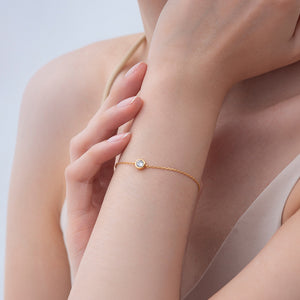
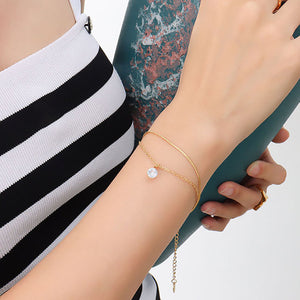
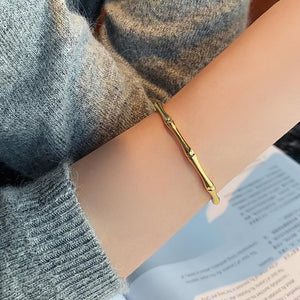
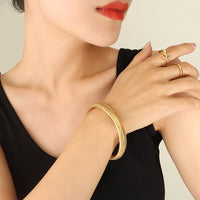
The piece they're describing → Gold Elastic Bangle Bracelet for Women — 18K Gold Plated, Stretch Fit, Stackable
Personalize Yours


