


Quick Summary
- 14K gold = 58.3% pure gold, 41.7% alloy metals — harder, more scratch-resistant, better for everyday wear, and costs less.
- 18K gold = 75% pure gold — richer, deeper yellow color, more hypoallergenic, but softer and ~25% pricier.
- Best for daily wear jewelry (rings, bracelets): 14K holds up better over time.
- Best for sensitive skin or statement pieces: 18K has fewer alloy metals, so it's less likely to cause reactions.
- Gold-plated jewelry (like AJLuxe's 18K plated over 925 silver) gives you the color and look of 18K at a fraction of the cost.
If you've ever shopped for gold jewelry and found yourself stuck between 14K vs 18K gold, you're not alone. It's one of the most common questions jewelers get — and the answer isn't as simple as "one is better than the other." The right choice depends on how you wear your jewelry, your skin sensitivity, your budget, and the look you're going for. This guide breaks down every meaningful difference so you can shop with confidence.
What Does Karat Actually Mean?
Gold's purity is measured in karats (not to be confused with carats, which measure gemstone weight). Pure gold is 24 karats — 100% gold. But pure gold is too soft to be practical for jewelry. It bends, scratches, and loses its shape quickly. So jewelers mix it with other metals to create an alloy that's durable enough to wear.
The karat number tells you exactly how much of that alloy is actual gold:
- 14K gold: 14 out of 24 parts gold = 58.3% pure gold
- 18K gold: 18 out of 24 parts gold = 75% pure gold
- 24K gold: 100% pure gold (too soft for most jewelry)
That remaining percentage — 41.7% in 14K and 25% in 18K — is made up of metals like copper, silver, zinc, and nickel. These metals affect everything from color to durability to how the jewelry interacts with your skin.
It's worth noting that the Gemological Institute of America (GIA) recommends understanding karat markings before any gold jewelry purchase, since mislabeling does happen with lower-quality pieces.
14K vs 18K Gold: Side-by-Side Comparison
| Property | 14K Gold | 18K Gold |
|---|---|---|
| Gold purity | 58.3% | 75% |
| Alloy content | 41.7% | 25% |
| Durability | Harder, more scratch-resistant | Softer, more prone to scratches |
| Color (yellow gold) | Lighter, slightly muted yellow | Richer, deeper yellow |
| Price (relative) | Lower (~25% less than 18K) | Higher (more gold content) |
| Hypoallergenic? | Less so (more alloy metals) | More so (fewer alloy metals) |
| Tarnish resistance | Good | Excellent |
| Best for | Everyday rings, active lifestyles | Fine jewelry, sensitive skin |
| Stamp/hallmark | 585 or 14K | 750 or 18K |
Durability and Scratch Resistance
This is where 14K has a clear edge. Because 14K gold contains more alloy metals, it's a harder material. That extra hardness means it holds up better against the knocks, bumps, and friction of everyday life — especially for pieces like rings and bracelets that take the most abuse.
18K gold is softer because it has a higher gold content (and gold, on its own, is a relatively soft metal). For pieces that don't see much contact — necklaces worn against skin under clothing, earrings, pendants — the softness is rarely noticeable. But for an engagement ring or a stacking ring you wear every day, 14K is going to look better longer.
That said, "softer" doesn't mean fragile. 18K gold jewelry made by reputable jewelers holds up well for normal wear — it just needs a bit more care than 14K.
What About Gold-Plated Jewelry?
Gold-plated jewelry — like AJLuxe's pieces, which use 18K gold plating over 925 sterling silver — is a different category altogether. The base metal does the heavy lifting for durability, while the gold layer gives you the color and warmth of real gold. High-quality plating over a solid sterling silver base (like 925 silver) is far more durable than plating over cheaper base metals like brass or copper. The result is jewelry that looks and feels like fine gold at a price point that makes sense for most people's jewelry budgets.
Color and Appearance
Here's something most people don't realize until they hold both side by side: 14K and 18K gold genuinely look different.
18K yellow gold is richer, warmer, and has that classic "gold" color you might picture when you close your eyes. The higher gold content means the yellow hue is more saturated and deeper.
14K yellow gold is still unmistakably gold, but it's a slightly paler, cooler yellow. The difference is subtle — you might not notice it on a single piece — but put them next to each other and it's clear.
For white gold, the difference in base color matters less because both are rhodium-plated to achieve that bright white finish. The plating will wear off over time regardless of whether the base is 14K or 18K, and both will need replating eventually.
For rose gold, 14K typically has a deeper, more pronounced rosy-copper tone because it has more copper in the alloy. 18K rose gold is a softer, more delicate pink. This is actually a case where some people prefer 14K for the stronger rose color.
Price Difference: How Much More Does 18K Cost?
The price difference between 14K and 18K gold comes down to gold content. Since 18K has more pure gold per gram, it costs more — typically around 20–30% more for the same piece in the same design.
As a rough example: a simple 14K gold band might retail for $300–400, while the same band in 18K might run $375–520. The exact premium varies by jeweler and piece complexity, but you should expect to pay noticeably more for 18K.
For fine jewelry that you're buying as a long-term investment — an engagement ring, a significant birthday gift, an heirloom piece — the extra cost for 18K is often worth it for the richer color and higher gold content. For everyday jewelry you'll wear hard and potentially replace in a few years, 14K often makes more financial sense.
Gold-plated jewelry sidesteps this comparison entirely. A piece plated in 18K gold over sterling silver delivers the look of 18K at a fraction of either cost — which is why it's become so popular for dainty, everyday jewelry.
Hypoallergenic Properties and Sensitive Skin
If you've ever had a reaction to jewelry, the karat matters more than you might think.
The most common culprit in gold jewelry reactions isn't the gold itself — it's the nickel in the alloy. Nickel allergies affect a significant portion of the population, and 14K gold, with its higher alloy content (41.7%), is more likely to contain nickel and trigger a reaction.
18K gold, with only 25% alloy metals, has less space for nickel in its formula. High-quality 18K gold from reputable jewelers is often nickel-free, making it a better choice for sensitive skin.
That said, the specific alloy matters as much as the karat. Some 14K gold alloys are nickel-free; some 18K pieces do contain nickel. If you have a known nickel allergy, always ask specifically whether the piece is nickel-free rather than relying on karat alone.
For people with highly sensitive skin, solid 18K gold or 18K gold plated over genuine 925 sterling silver (another hypoallergenic metal) tends to be the most comfortable option in everyday jewelry.
Which Should You Choose? A Practical Guide
The honest answer: there's no universal winner. Here's how to think about it based on what you're actually buying.
Choose 14K Gold If You:
- Want a ring or bracelet for daily wear and need maximum scratch resistance
- Have an active lifestyle (sports, outdoor work, gym)
- Are buying an engagement ring or wedding band that'll take years of contact
- Are budget-conscious and want more gold jewelry for your money
- Don't have sensitive skin reactions to lower-karat alloys
Choose 18K Gold If You:
- Want the richest, warmest yellow gold color
- Have sensitive skin or a known nickel sensitivity
- Are buying a necklace, earrings, or pendant that won't see much friction
- Want fine jewelry as a long-term investment or heirloom piece
- Prefer higher gold purity for its own sake
Consider 18K Gold-Plated If You:
- Love the look of gold but not the price of solid gold
- Want dainty, minimalist pieces you can wear daily without worry
- Replace or update your jewelry style every few years
- Have sensitive skin — especially with plating over 925 sterling silver base
- Are building a jewelry wardrobe across multiple pieces and styles
Gold-Plated vs Solid Gold: Is It Worth Paying More?
This is the question underneath the 14K vs 18K debate for most everyday shoppers. Solid gold — whether 14K or 18K — is genuinely valuable material. It doesn't tarnish, doesn't change color over time, and holds its value. If you lose a solid gold ring, you still have something worth money.
Gold-plated jewelry is a layer of gold bonded over a base metal. The thickness of that layer is measured in microns; quality plating is typically 2.5 microns or more. With proper care, quality 18K gold plating over sterling silver lasts several years of regular wear before showing wear on high-contact edges.
For most people buying everyday dainty jewelry in the $20–80 range, gold-plated over sterling silver hits the sweet spot: you get hypoallergenic materials, beautiful gold color, and designs you can actually afford to wear daily without anxiety. When a piece eventually needs refreshing, replating is often possible and affordable.
Solid gold makes the most sense when you're buying a piece with significant sentimental value (an engagement ring, a family heirloom) or when you want something that'll look identical in 30 years with minimal maintenance.
How to Care for Gold Jewelry (Both Karats)
Whether you're wearing 14K, 18K, or gold-plated jewelry, a few simple habits will dramatically extend how good it looks:
- Take it off before swimming. Chlorine in pools and salt in ocean water both degrade gold alloys and plating over time.
- Remove jewelry before applying lotions, perfumes, or sunscreen. These products build up on jewelry and dull the surface.
- Store pieces separately. Gold is soft enough that other jewelry can scratch it. Individual pouches or a divided jewelry box prevents surface damage.
- Clean gently. A soft toothbrush with mild dish soap and warm water is all most gold jewelry needs. Avoid ultrasonic cleaners for plated pieces.
- Dry thoroughly. Water trapped under settings or in crevices can speed tarnishing on alloy metals.
For solid gold, professional cleaning once a year is a nice extra. For gold-plated pieces, avoiding harsh chemicals and abrasive surfaces is the most important thing you can do.
For a full breakdown of what the 14K stamp means, its 58.3% gold purity, and how to spot the 585 hallmark, see our complete guide to what 14K means on jewelry.
Related reading: 10k vs 14k vs 18k gold.
Related reading: 10k vs 14k gold.
Frequently Asked Questions
Is 14K or 18K gold better for an engagement ring?
For engagement rings, 14K is usually the more practical choice. Engagement rings take more daily wear than almost any other piece of jewelry — constant hand washing, contact with surfaces, gym sessions, and more. 14K's higher alloy content makes it harder and more scratch-resistant, so the ring holds its finish better over years of wear. That said, if you or your partner have sensitive skin, or if color richness is the top priority, 18K is worth the extra investment. Many couples also choose 18K for its prestige and deeper color on a piece meant to last a lifetime.
Does 18K gold tarnish?
Pure gold doesn't tarnish, and 18K gold — with 75% gold content — is highly resistant to tarnishing. The 25% alloy metals can oxidize slightly over time, especially with exposure to chemicals, sweat, and air, but this is rarely noticeable in normal wear. 18K gold is significantly more tarnish-resistant than 14K simply because it has less alloy metal to oxidize. If you see discoloration on 18K gold jewelry, it's usually buildup from lotions or products rather than true tarnish, and it polishes off easily.
Can you tell the difference between 14K and 18K gold by looking?
Yes — if you hold them side by side. 18K yellow gold has a richer, more saturated yellow color than 14K. But on a single piece in isolation, most people can't tell the difference without a trained eye. For white gold, both look identical since both are rhodium-plated. For rose gold, 14K often has a more pronounced rosy-copper tone. The clearest way to identify karat is by the hallmark stamp: look for "585" or "14K" on 14-karat pieces and "750" or "18K" on 18-karat pieces.
Is 18K gold more hypoallergenic than 14K?
Generally, yes. The most common cause of jewelry reactions is nickel, which is sometimes used in gold alloys. 18K gold has less alloy content (25% vs 41.7% in 14K), so there's less room for nickel in the formula — and many 18K alloys are nickel-free. If you have a known nickel allergy or sensitive skin, 18K is typically the safer choice among solid gold options. That said, always confirm with the jeweler that a specific piece is nickel-free, since alloy composition varies by brand and manufacturer.
Why is 18K gold more expensive than 14K?
18K gold contains more pure gold per gram — 75% vs 58.3% in 14K. Since gold is the most valuable component of the alloy, more gold means a higher material cost. The premium is typically 20–30% for the same design. Beyond material cost, 18K gold is sometimes associated with fine jewelry brands that carry their own price premiums. For investment purposes, 18K holds more intrinsic gold value, which is worth considering if you're buying jewelry as a store of value rather than purely for wear.
Which gold karat is best for necklaces?
For necklaces, either 14K or 18K works well because necklaces don't experience the same friction and impact as rings or bracelets. The softer nature of 18K isn't a major drawback for a pendant or chain worn against skin. Many people choose 18K for necklaces specifically because the richer color is more visible when worn close to the face. If budget is a concern, 14K gives you excellent durability and a beautiful look at a lower price point. Gold-plated necklaces over sterling silver are also an excellent option for dainty, everyday styles.
Does 14K gold fade or lose its color?
Solid 14K gold doesn't fade or change color — it's alloyed gold all the way through, so even if the surface scratches, the color underneath is the same. What can happen over time is that the surface develops a patina from micro-scratches, giving it a slightly more matte appearance. This can be polished out by a jeweler. 14K white gold may show the underlying yellowish gold color as rhodium plating wears off, requiring replating every one to three years depending on wear. Yellow and rose gold in 14K are extremely color-stable over time.
Is gold-plated jewelry the same as 18K gold?
No — gold-plated jewelry and solid 18K gold are different things. "18K gold plated" means a layer of 18K gold (the actual plating layer is 75% gold) has been bonded over a base metal like sterling silver, brass, or copper. The piece isn't solid gold throughout. Quality gold-plated jewelry, especially over 925 sterling silver, gives you the look and much of the hypoallergenic benefit of 18K at a significantly lower price, but it will eventually show wear on high-contact edges and may need replating. Solid 18K gold maintains its color indefinitely and holds intrinsic metal value.
Which is better for people with metal allergies — 14K or 18K?
For most metal allergies, 18K is the better choice because it contains fewer alloy metals that commonly cause reactions, particularly nickel. However, the specific alloy composition matters more than karat alone. Some 14K pieces are formulated without nickel and are perfectly safe for sensitive skin; some 18K pieces do contain nickel. If you have a diagnosed nickel allergy, look for pieces specifically labeled "nickel-free" regardless of karat. Alternatively, jewelry made with 925 sterling silver or platinum as the base metal offers excellent hypoallergenic properties across the board.
What does the "585" stamp mean on gold jewelry?
"585" is the European hallmark for 14K gold, indicating that the piece contains 585 parts per 1,000 of pure gold — or 58.5%, which rounds to 58.3% (the mathematically precise figure for 14/24). Similarly, "750" is the European mark for 18K gold (750 parts per 1,000 = 75% pure gold). These numeric hallmarks are required in many countries for gold jewelry sold commercially and serve as a standardized way to verify gold content without relying on "K" markings, which are less internationally standardized. If you see "585" on a piece, it's genuine 14K gold.
Whether you're shopping for a gift, treating yourself to an everyday staple, or investing in a piece you'll wear for decades, understanding the difference between 14K and 18K gold puts you in control of that decision. If you're ready to browse, our rings collection includes a curated range of dainty and minimalist styles — all crafted in 18K gold plated over 925 sterling silver, hypoallergenic, and designed for real everyday wear. Find your perfect fit at a price that doesn't require choosing between quality and your budget.
All third-party trademarks, brand names and product names are the property of their respective owners. AJLuxe is not affiliated with, endorsed by, sponsored by, or otherwise connected to any third-party brand referenced in this article. Brand names are used solely for accurate comparative reference, and material descriptions reflect each brand's own published product specifications at the time of writing.
You Might Also Like
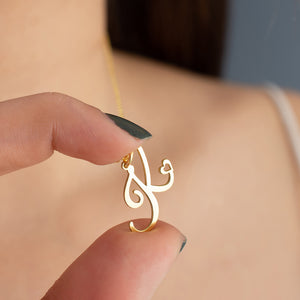
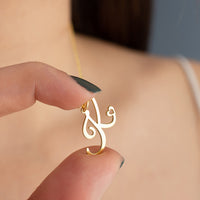
The piece they're describing → Heart Initial Necklace for Women — 18K Gold Plated, Personalized Letter + Heart Pendant
Personalize Yours


