


- Every month has an official “modern” birthstone (standardized in 1912), plus alternates for several months and an older “traditional” stone that can be a completely different gem — August's traditional stone is sardonyx, not peridot.
- Zodiac (astrological) birthstones are a separate system tied to star sign, not calendar birth month, so they won't always match a birthstone ring.
- Rings take more daily impact than earrings or pendants, so hardness matters: stones rated 7.5+ on the Mohs scale (diamond, sapphire, ruby) hold up best for everyday wear.
- Opal, pearl, and turquoise are genuine birthstones but are soft or porous enough that jewelers usually recommend saving them for occasional-wear pieces rather than a ring worn daily.
- You're never required to wear your own birth month — a partner's, a child's, or simply a favorite color is common.
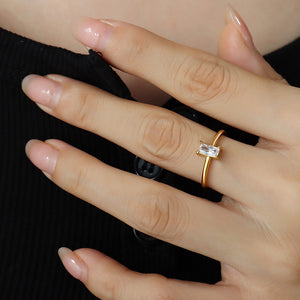
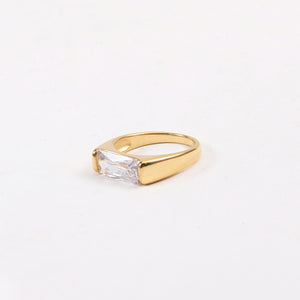
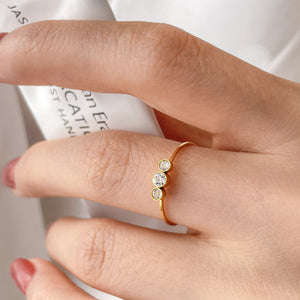
- AJLuxe's ring collection ($24.99–$79.99, 925 sterling silver with 18K gold plating) doesn't carry loose natural birthstones, but the stacking ring sets let you build a multi-month family ring band by band, and every piece is hypoallergenic.
If you've ever looked up your birth month's stone on two different sites and gotten two different answers, you're not imagining it (2026 still has this problem, and it isn't going away). There are genuinely two overlapping systems — a “modern” jewelry-trade list and an older “traditional” one — plus a separate zodiac system that gets confused with both. Here's what each month's ring birthstone actually is, why the lists disagree, and which stones can take the daily knocks a ring gets that a necklace never will.
What Is a Birthstone Ring?
A birthstone ring is a ring set with the gemstone assigned to the wearer's (or gift recipient's) birth month rather than chosen purely for color or style. The custom dates back centuries, but the specific stone-to-month pairings most US jewelers use today were standardized in 1912 by a national jewelers' trade association, replacing a patchwork of older regional traditions. That 1912 list still gets updated occasionally — spinel was added as a second August stone in 2016, for example — which is one reason two reputable sources can list different “correct” stones for the same month.
Why Do Some Charts List a Different Birthstone for the Same Month?
Charts disagree because there isn't one single birthstone list — there's a modern list, an older traditional list, and regional variants, and most sites don't specify which one they're quoting. The modern list is the one jewelers use for new pieces and the one most gift guides default to; the traditional list reflects older European custom and occasionally names an entirely different stone, such as sardonyx for August or bloodstone for March. Neither list is “wrong” — they're just different reference points, so it's worth checking which one a ring or a chart is actually using before you buy.
The Birthstone List by Month: Modern vs. Traditional
Here's the full month-by-month comparison, including the alternates most US jewelers now accept alongside the primary modern stone.

| Month | Modern Birthstone(s) | Traditional Birthstone |
|---|---|---|
| January | Garnet | Garnet |
| February | Amethyst | Amethyst |
| March | Aquamarine, Bloodstone | Bloodstone |
| April | Diamond | Diamond |
| May | Emerald | Emerald |
| June | Pearl, Alexandrite, Moonstone | Pearl |
| July | Ruby | Ruby |
| August | Peridot, Spinel | Sardonyx |
| September | Sapphire | Sapphire |
| October | Opal, Tourmaline | Opal |
| November | Topaz, Citrine | Topaz |
| December | Tanzanite, Zircon, Turquoise | Turquoise, Lapis Lazuli |
Is Your Zodiac Stone the Same as Your Birthstone?
No, your zodiac stone and your birthstone come from two different systems and often won't match. Zodiac (astrological) gemstones are assigned by star sign under an older astrological tradition, and because star sign cutoffs fall mid-month, two people born a week apart in the same calendar month can have different zodiac signs — and therefore different zodiac stones — while sharing the same birth-month birthstone. If a ring is marketed as a “zodiac ring” rather than a “birthstone ring,” expect it to follow the star-sign list, not the calendar-month one.
Do You Have to Wear Your Own Birthstone in a Ring?
No, there's no rule requiring a birthstone ring to match the wearer's own birth month. It's just as common to wear a partner's birth month as a couple's ring, a child's birth month as a new-parent gift, or several family members' months together in a stacked set — the “birthstone” label describes the tradition behind the stone choice, not a requirement on who wears it.
Which Ring Birthstones Hold Up Best Day to Day?
Diamond, sapphire, and ruby hold up best in a ring worn daily, because all three sit at 9–10 on the Mohs hardness scale and shrug off the knocks a ring absorbs that a necklace or earring never does. Mid-range stones like garnet, amethyst, topaz, and citrine (roughly 7–8 on the scale) are fine for regular wear with normal care but can chip against a hard edge. Opal, pearl, and turquoise sit lowest on the scale and are genuinely more fragile and porous, which is why most jewelers suggest saving them for a pendant, earrings, or occasional-wear ring rather than one you'll knock around every day.
Which Birthstone Ring Should You Choose?
Choose the modern stone for the actual birth month first — it's the version most people recognize, most jewelers stock, and it avoids the awkward moment of gifting the “wrong” stone. If you love the idea of a birthstone ring but want something that skips fragile natural gems entirely, AJLuxe's Dainty Stacking Rings for Women ($37.99, 18K gold plated over 925 sterling silver) let you build a personal set band by band — one ring per family member's birth month, worn together as a modern take on a mother's ring, without the upkeep that soft natural stones like opal or pearl need. Every AJLuxe ring is hypoallergenic, which matters if the ring is a gift and you don't know how the recipient's skin reacts to base metals.

Source on gemstone hardness and identification: Gemological Institute of America (GIA).
Frequently Asked Questions
What is a birthstone ring?
A birthstone ring is a ring set with the gemstone traditionally assigned to a specific birth month, such as garnet for January or emerald for May, chosen for its personal or family significance rather than color alone.
Why do some birthstone charts list a different stone for the same month?
Charts disagree because there are two overlapping reference lists — a modern list most jewelers use today and an older traditional list that sometimes names a completely different gem, such as sardonyx instead of peridot for August — and most sources don't specify which list they're quoting.
Is my zodiac stone the same as my birthstone?
Not necessarily — zodiac stones are assigned by astrological star sign, while birthstones are assigned by calendar birth month, and because star-sign cutoffs fall mid-month the two lists frequently point to different gems even for the same person.
Do I have to wear my own birth month's stone?
No — there's no rule requiring it; wearing a partner's, a child's, or a favorite color's birthstone in a ring is common and doesn't change what makes it a “birthstone” piece.
Which birthstones are best for a ring worn every day?
Diamond, sapphire, and ruby are the most durable choices for daily-wear rings because they rate 9–10 on the Mohs hardness scale, while softer stones like opal, pearl, and turquoise are better suited to earrings, pendants, or occasional-wear rings.
Can I get a ring with more than one birthstone?
Yes — stacking ring sets are the most common way to represent more than one birth month at once, with each thin band worn together to represent a different family member, similar to a traditional mother's ring. If you're building one for exactly three people, see our three-stone mother's ring guide for how to order and arrange the stones.
Alle Marken, Markennamen und Produktnamen Dritter sind Eigentum ihrer jeweiligen Inhaber. AJLuxe steht in keiner Verbindung zu den in diesem Artikel genannten Marken Dritter und wird von diesen weder unterstützt noch gesponsert. Markennamen werden ausschließlich zur sachlichen vergleichenden Bezugnahme verwendet; Materialangaben entsprechen den eigenen veröffentlichten Produktangaben der jeweiligen Marke zum Zeitpunkt der Erstellung.
You Might Also Like


The piece they're describing → Zarte Stapelringe für Damen – 18K vergoldet, schmaler Ringsatz, minimalistisch
Personalize Yours


