


- Mixed metal jewelry — wearing gold and silver pieces together — is no longer a style mistake. By 2026 it's the default, not the exception.
- The easiest formula is the 2:1:1 rule: two pieces in your lead metal, one in your accent metal, one "connector" piece that already combines both.
- Skin undertone is a helpful starting point (warm leans gold, cool leans silver, neutral wears both) — but it's a guide, not a rule.
- Mixing metals does not damage sterling silver or gold plating. Tarnish and wear come from moisture, chemicals, and friction — not from which other metal is nearby.
- AJLuxe stocks both 925 sterling silver and 18K gold-plated pieces, plus true two-tone options — this is genuinely our lane, not a marketing angle.
Mixed metal jewelry — wearing gold and silver pieces together instead of matching everything to one metal — has quietly gone from "fashion faux pas" to the way most stylish people actually get dressed. If you've ever paused with a gold necklace in one hand and a silver bracelet in the other, wondering whether you're allowed to wear them at the same time, the short answer is yes. This guide covers exactly why the "don't mix metals" rule is outdated, the real 2:1:1 formula stylists use to make mixed metals look intentional instead of accidental, how to pick your lead metal by skin tone, and honest answers to the questions people actually search — including whether it's tacky, whether it damages your jewelry, and how to start if you've never done it before.
Comparing more than gold and silver? Use our free metal comparison tool to check hypoallergenic properties, tarnish resistance, and price across silver, gold plating, vermeil, stainless steel, and solid gold.
Most people think the "rule" for mixing metals is a ratio — 60% gold, 40% silver, done. That's close, but it's not the part that actually makes an outfit look styled instead of mismatched. The real trick is the connector piece: one item that already combines both metals, like a two-tone necklace or a dual-tone ring. That single piece tells the eye "this is deliberate" — it visually bridges the gold and the silver so they read as one intentional look instead of two accidents that happened to end up on you at the same time. Skip the connector and even a "correct" 2:1 ratio can look slightly off. Add it, and almost any gold/silver combination suddenly looks pulled-together. That's the whole secret, and it's the one detail most style guides leave out.
What Is Mixed Metal Jewelry, and Why Was It Ever "Wrong"?
Mixed metal jewelry simply means wearing more than one metal tone at the same time — a gold necklace with a silver ring, silver hoops with a gold bracelet, or a single piece designed to combine both. For decades, conventional style advice said to pick one metal (usually to match a wedding band or watch) and stay matchy for life. That rule made sense when jewelry was expensive, occasional, and meant to signal a single "finish" — but it never reflected how people actually dress day to day.
The shift happened gradually and then all at once: runway styling started deliberately layering gold and silver, celebrities were photographed stacking both without apology, and affordable jewelry made it realistic to own pieces in each metal instead of committing to one. By the 2020s, the "matchy" rule had flipped — a single-metal look can now read as slightly dated, while a confidently mixed stack reads as current. The honest gap in most articles covering this trend is that they stop at "it's fine now" without explaining how to actually do it well — which is the part that matters if you don't want to look like you got dressed in the dark.
The 2:1:1 Rule: How to Mix Metals Without It Looking Like an Accident
The easiest formula for mixing metals confidently is the 2:1:1 rule: two pieces in your lead metal, one piece in your accent metal, and one piece that already combines both — the connector. For example: a gold necklace and a gold ring (your two lead pieces), a silver bracelet (your one accent piece), and a two-tone stacking ring or pendant that visually ties the gold and silver together (your connector). Wear the same gold necklace, gold ring, and silver bracelet without that fourth connector piece, and the same technically-correct ratio can read as mismatched instead of styled.
We cover this exact formula in more depth, with more outfit examples, in our dedicated guide: Can You Wear Gold and Silver Together? The 2:1:1 Rule Explained. The short version below is everything you need to start today:
| Approach | What it looks like | Best for |
|---|---|---|
| Monochrome | All gold or all silver, no exceptions | Formal events, a signature "one metal" personal style |
| 2:1:1 mixed | Lead metal (60–70%), accent metal, plus one connector piece | Everyday wear — the most flattering, most "styled" default |
| 50/50 split (no connector) | Equal gold and silver with nothing tying them together | The look most likely to read as accidental — the one to avoid |
| One true two-tone piece | A single necklace, ring, or bracelet built from both metals | Beginners — does the "mixing" for you, zero guesswork |
If you're new to mixing metals, start with the last row: a single two-tone piece removes all the decision-making, since the designer already balanced the ratio for you.

Can You Wear Gold and Silver Together?
Yes — unambiguously. This is one of the most-searched questions in jewelry styling, and the honest, current answer is that not only can you wear gold and silver together, it's the more modern-looking choice for most everyday outfits. The old idea that mixing metals is "wrong" came from a much stricter, more formal era of dressing; today's styling consensus (and most editorial fashion coverage) treats a confidently mixed stack as more interesting than an all-one-metal look, not less appropriate.
There's also a persistent myth worth killing here: some people believe mixing gold and silver is unlucky or bad feng shui. There's no basis for that — it's an old wives' tale with no chemical, cultural, or practical foundation. Gold and silver don't react with each other, they don't damage one another through contact, and there's nothing "wrong" about wearing both at once beyond outdated style opinion.
Does Mixing Metals Damage Your Jewelry? (The Honest Answer)
This is the question most style guides skip entirely, because it's less about fashion and more about material science — but it's the one that actually determines whether your jewelry lasts. Short answer: no. Wearing gold-plated and sterling silver pieces together does not damage either one. Gold and silver don't chemically react with each other through simple contact, so a gold necklace resting against a silver one causes no wear, no tarnish, and no discoloration from the pairing itself.
What does affect your jewelry — mixed metal or not — is moisture, chemicals, and friction: showering, swimming, perfume, lotion, and sleeping in your jewelry are the real causes of tarnish and plating wear. We break this down fully, including how to tell genuine tarnish from a bad plating job, in our guide on does sterling silver tarnish. The practical takeaway for mixed-metal wearers: store gold and silver pieces separately when you're not wearing them (a soft pouch each, not tangled together in one dish) to prevent scratching from contact — that's a storage issue, not a metal-mixing one.

Two-Tone Connector Pieces: The Secret Weapon Most Guides Don't Show You
Nearly every mixed-metal style article tells you the ratio, then leaves you to figure out the execution alone. The single fastest way to nail mixed metals — especially if you're not confident styling jewelry yet — is to build around one true two-tone connector piece: a necklace, ring, or bracelet where the designer has already combined gold and silver in one item. It does the "bridging" work automatically, so any other single-metal pieces you add around it read as intentional instead of mismatched.
This is genuinely AJLuxe's lane rather than a marketing angle: because we stock both 18K gold-plated and 925 sterling silver across the same styles — including pieces like our circle heart necklace, available in both gold and silver — you can either buy the connector piece itself or simply pair a gold piece from one line with a silver piece from another, knowing both are built on the same hypoallergenic sterling silver base. For a deeper look at choosing between the two metals for a single piece (like a chain), see our gold vs. silver chain necklace comparison.
How to Start Mixing Metals Today
- Start with one connector piece. A single two-tone necklace or ring removes all the guesswork — everything else you add just needs to relate to one of its two metals.
- Pick a lead metal, then stop counting. Once you've chosen gold or silver as your 60–70% majority, don't overthink every remaining piece — just make sure it's not a perfect 50/50 split.
- Layer necklaces across metals, not just lengths. A gold pendant at 16 inches and a silver chain at 18 inches mixes both texture and tone — see our full how to layer necklaces guide for length pairing.
- Match metal to occasion, not just skin tone. Warmer, golden light (candlelit dinners, fall/winter events) tends to favor gold leading; bright daylight and minimalist settings often favor silver leading — undertone is the starting point, mood is the finishing touch.
- Store metals separately. Keep gold-plated and sterling silver pieces in separate soft pouches to avoid surface scratching from direct contact — this is the one real "don't mix" rule, and it's about storage, not styling.
- Buy hypoallergenic bases. Whichever metal you lead with, choosing 925 sterling silver or genuine 18K gold plating (not unmarked base metal) means both sides of your mix will last and won't irritate sensitive skin.
Related reading: Silver Ear Hoops: The Complete Guide to Metal, Size, and Fit (2026).
Frequently Asked Questions
Is it tacky to wear gold and silver at the same time?
No. By 2026, mixing gold and silver jewelry is considered stylish and intentional rather than a mistake — the "matchy" rule that once made mixed metals feel wrong has largely reversed. The key to avoiding a tacky, mismatched look is balance: lead with one metal at roughly 60–70%, use the other as an accent, and add one connector piece that already blends both.
Why can't you mix gold and silver?
You can. The old advice against mixing gold and silver was a stricter, more formal style rule, not a practical or material limitation — gold and silver don't react with or damage each other. The only real reason a mixed-metal look falls flat is styling (a random 50/50 split with no connector piece), not the metals themselves.
What is the 2:1:1 rule in jewelry?
The 2:1:1 rule is a simple formula for mixing metals: wear two pieces in your lead metal, one piece in your accent metal, and one connector piece that already combines both. The connector is the key detail — it visually bridges the two metals so the whole look reads as deliberate rather than accidental. See our full breakdown in Can You Wear Gold and Silver Together? The 2:1:1 Rule Explained.
Does mixing metals look cheap?
No, as long as it's balanced rather than random. An unbalanced 50/50 split with no clear lead metal and no connector piece can read as thrown-together, but a deliberate mix following the 2:1:1 rule reads as styled and current — it's one of the more editorial-looking approaches to jewelry right now, not a budget shortcut.
How do I mix metals for beginners?
The easiest starting point is a single two-tone connector piece — a necklace, ring, or bracelet that already combines gold and silver in one design. Wear it alone or with one or two single-metal pieces, and you've already nailed the 2:1:1 formula without having to plan a full stack from scratch.
What are the best two-tone pieces to start with?
A two-tone necklace or a dual-metal stacking ring are the easiest entry points because they're worn close to the face or hands, where they do the most visual "bridging" work. AJLuxe's circle heart necklace, available in both gold and silver, is a straightforward example of the connector-piece approach. For a wedding-specific mixed-metal ring instead of a general connector piece, see our non-traditional wedding rings guide.
Does mixing gold and silver damage the jewelry?
No. Gold and silver don't chemically react with each other, so simply wearing both together causes no tarnish or damage. Tarnish and plating wear come from moisture, chemicals, perfume, and friction — the same causes whether you're wearing one metal or several. Store gold and silver pieces in separate pouches to avoid scratching from direct contact when you're not wearing them.
Is it unlucky to wear gold and silver together?
No — this is an old wives' tale with no factual basis. There's no cultural, chemical, or practical reason mixing gold and silver would be unlucky. It's simply a leftover superstition from an era when strict metal-matching was the style norm.
How do I know if I should lead with gold or silver?
Check your skin's undertone: if the veins on your wrist look greenish, you likely have a warm undertone and gold will look especially flattering as your lead metal. If they look bluish, you likely have a cool undertone and silver may suit you better as the lead. If you can't tell, you likely have a neutral undertone — which means both metals work well, and a two-tone connector piece is the easiest way to wear them together.
Can you mix metals in earrings, rings, and necklaces at the same time?
Yes — mixing across jewelry types (a gold necklace with silver earrings and a mixed-metal ring, for example) is exactly how the 2:1:1 rule is meant to work. The formula applies to your whole look, not just one piece of jewelry, so distribute your lead and accent metal across whatever you're wearing that day.
Does AJLuxe sell two-tone or mixed-metal jewelry?
Yes. AJLuxe stocks both 925 sterling silver and 18K gold-plated pieces across many of the same styles, plus true two-tone options like our circle heart necklace. Because both metal lines share the same hypoallergenic sterling silver base, gold and silver pieces from AJLuxe pair naturally without any quality mismatch.
Final Thoughts
Mixed metal jewelry isn't a trend you need to catch up to — it's simply the more current, more flexible way to wear the pieces you already own. Pick a lead metal (undertone is a good starting signal, mood and occasion can override it), keep your accent metal to a supporting role, and let one true two-tone connector piece do the visual work of tying the two together. Skip the outdated worry that mixing "damages" your jewelry or looks careless — done with the 2:1:1 rule, it reads as the opposite. Because AJLuxe builds both our 925 sterling silver and 18K gold-plated lines on the same hypoallergenic base, mixing our pieces has no quality trade-off either way. For more on choosing between the two metals for a single piece, see gold vs. silver chain necklace, and for the deeper 2:1:1 breakdown, read Can You Wear Gold and Silver Together? The 2:1:1 Rule Explained.
The easiest way to start mixing metals
Shop the Circle Heart Necklace (Gold or Silver) — $31.99Shop This Guide
Browse our full necklace collection for hypoallergenic 925 sterling silver and 18K gold-plated pieces from $24.99 — mix and match with confidence, since every AJLuxe piece shares the same quality base metal.
AJLuxe Team. Last updated: July 2026. Sources: GIA (Gemological Institute of America).
Alle Marken, Markennamen und Produktnamen Dritter sind Eigentum ihrer jeweiligen Inhaber. AJLuxe steht in keiner Verbindung zu den in diesem Artikel genannten Marken Dritter und wird von diesen weder unterstützt noch gesponsert. Markennamen werden ausschließlich zur sachlichen vergleichenden Bezugnahme verwendet; Materialangaben entsprechen den eigenen veröffentlichten Produktangaben der jeweiligen Marke zum Zeitpunkt der Erstellung.
You Might Also Like
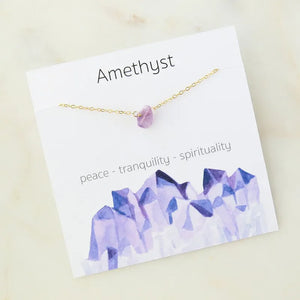
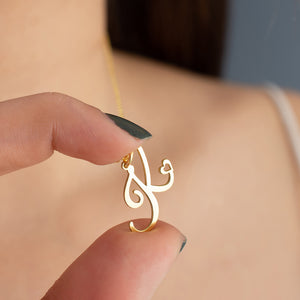
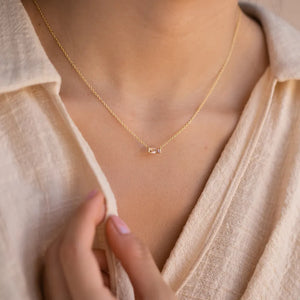
The piece they're describing → Stein-Charms-Halskette für Damen — 18K vergoldet, Charms aus Natursteinen
Personalize Yours


