


"Hypoallergenic" gets printed on more jewelry than the word can actually back up — it isn't a regulated term in the US, so any brand can use it whether or not the metal underneath supports the claim. The real answer to "is this hypoallergenic" comes down to one specific question: does the metal contain nickel in a form that can leach against skin? This guide covers the materials that actually pass that test, what "nickel-free" versus "nickel-safe" really means, and how to tell if a listing's hypoallergenic claim is backed by anything.
Why Nickel Is the Real Issue
Most metal-jewelry skin reactions trace back to nickel, not metal allergies broadly — it's cheap, easy to alloy, and historically common in costume and lower-cost fine jewelry, which is why it's responsible for the large majority of reported contact-dermatitis cases from jewelry. When people say "my ears turn green" or "this ring makes my finger itch," nickel content is almost always the underlying cause, regardless of what the piece is called or how much it cost.
The Materials That Actually Qualify
- 925 sterling silver — 92.5% pure silver alloyed with copper (not nickel) for strength. Genuinely hypoallergenic for the large majority of wearers, since the alloying metal isn't the one that causes most reactions.
- Solid gold (10K–24K) — the higher the karat, the less alloy metal is present, and gold itself doesn't cause reactions. Lower-karat gold can still contain trace nickel in its alloy mix depending on the manufacturer, so "solid gold" alone doesn't guarantee nickel-free — check with the seller if you have a diagnosed allergy.
- Gold-plated jewelry (properly disclosed) — a base metal with a gold layer on top. Hypoallergenic only if the base metal itself is nickel-free (often sterling silver or brass without nickel) — this is why "18K gold-plated" alone tells you less than "18K gold-plated over 925 sterling silver."
- Implant-grade titanium (ASTM F136) — used in medical implants and considered one of the safest metals for sensitive skin and fresh piercings; contains no nickel.
- Niobium — similar profile to titanium, nickel-free and biocompatible, commonly used for initial piercing jewelry.
- Surgical-grade (316L) stainless steel — durable and widely tolerated, but technically contains a small percentage of nickel locked into the alloy structure. This is the distinction covered below.

"Nickel-Free" vs. "Nickel-Safe" — A Real Distinction
These two phrases get used interchangeably in marketing, but they mean different things. Nickel-free means the alloy contains no nickel at all — true of sterling silver, titanium, and niobium. Nickel-safe means the metal does contain some nickel, but it's bonded into the alloy structure tightly enough that it doesn't leach out against skin under normal wear — this is the accurate description for 316L stainless steel. Calling stainless steel "nickel-free" is inaccurate, even though it's a real and widely competitors make that claim; calling it "nickel-safe" or "hypoallergenic" is the honest version of the same point.
How to Tell If a "Hypoallergenic" Claim Is Real
Three checks separate a backed claim from a marketing word: (1) does the listing name the specific metal, not just say "hypoallergenic metal"; (2) if it's plated, does it say what the base metal is, not just the plating; (3) does the seller disclose the difference between nickel-free and nickel-safe if the material is stainless steel or a similar alloy. A listing that clears all three is telling you something real. One that only says "hypoallergenic" with nothing else specified is asking you to take its word for it.
| Material | Nickel Status | Best For |
|---|---|---|
| 925 sterling silver | Nickel-free | Everyday jewelry, sensitive skin |
| Solid gold (14K+) | Generally nickel-free (verify with seller) | Fine jewelry, investment pieces |
| Gold-plated over sterling silver | Nickel-free base | Everyday jewelry, budget-friendly |
| Implant-grade titanium | Nickel-free | Fresh piercings, medical-grade needs |
| 316L stainless steel | Nickel-safe (not nickel-free) | Durable everyday wear, men's jewelry |
What AJLuxe Carries, Named Honestly
Our women's line is 925 sterling silver with 18K gold plating — nickel-free, disclosed as such, and the material claim is the same across every listing, not just the ones we're highlighting in a guide, including our 925 sterling silver CZ stud earrings. Our men's line uses 316L surgical-grade stainless steel, which we describe as hypoallergenic and nickel-safe, not nickel-free — because no stainless steel actually is, and we'd rather be the retailer that says that accurately than the one that doesn't.
Hypoallergenic Metal Jewelry: Common Questions
- What is the most hypoallergenic jewelry metal?
- Implant-grade titanium and niobium are generally considered the safest for the most sensitive skin and fresh piercings, since they contain no nickel at all. For everyday fashion jewelry, 925 sterling silver and solid gold are the most common reliable options.
- What metal is 100% nickel-free?
- 925 sterling silver, implant-grade titanium, and niobium are all genuinely nickel-free. Solid gold is generally nickel-free but can vary by manufacturer at lower karats, so it's worth confirming for a diagnosed allergy.
- Is 925 sterling silver hypoallergenic?
- Yes, for the large majority of wearers — the alloy is 92.5% silver with copper making up most of the rest, not nickel, which is the metal responsible for most jewelry-related skin reactions.
- What metals don't cause skin irritation?
- 925 sterling silver, solid gold, implant-grade titanium, and niobium are the most reliable. Surgical-grade stainless steel is well tolerated by most people but technically contains trace nickel bonded into the alloy, which is why it's described as nickel-safe rather than nickel-free.
- Is stainless steel jewelry actually hypoallergenic?
- 316L surgical-grade stainless steel is widely tolerated and reasonably described as hypoallergenic, but it isn't nickel-free — a small amount of nickel is locked into the alloy. Most wearers don't react to it, but someone with a severe, diagnosed nickel allergy should know that distinction before buying.
- Does gold-plated jewelry cause allergic reactions?
- It can, if the base metal underneath the plating contains nickel — plating wears thin with use and exposes the base metal to skin. Gold plating over 925 sterling silver avoids this; gold plating over an undisclosed base metal is a real risk.
- How can you tell if jewelry is genuinely hypoallergenic?
- The listing should name the specific metal (not just say "hypoallergenic"), disclose the base material if it's plated, and — for stainless steel — be upfront that it's nickel-safe rather than nickel-free.
Final Thoughts
"Hypoallergenic" is only as reliable as the material named behind it — 925 sterling silver, solid gold, titanium, niobium, and (with the nickel-safe distinction) stainless steel are the materials that actually earn the word. AJLuxe's women's line is genuinely nickel-free 925 sterling silver and 18K gold plating, and our men's line is honestly described 316L stainless steel — nickel-safe, not nickel-free, because that's the accurate claim.
Last updated: August 2026. Written by the AJLuxe team — specialists in personalized sterling silver jewelry.
Alle Marken, Markennamen und Produktnamen Dritter sind Eigentum ihrer jeweiligen Inhaber. AJLuxe steht in keiner Verbindung zu den in diesem Artikel genannten Marken Dritter und wird von diesen weder unterstützt noch gesponsert. Markennamen werden ausschließlich zur sachlichen vergleichenden Bezugnahme verwendet; Materialangaben entsprechen den eigenen veröffentlichten Produktangaben der jeweiligen Marke zum Zeitpunkt der Erstellung.
You Might Also Like
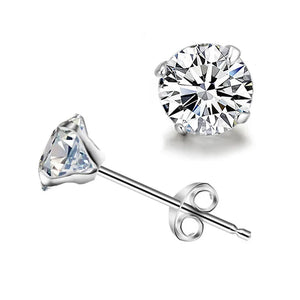
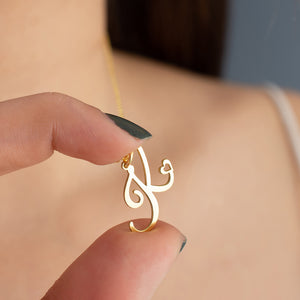
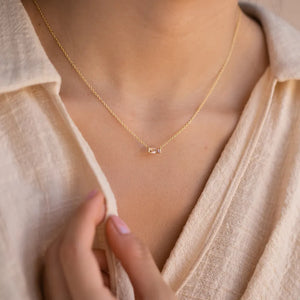
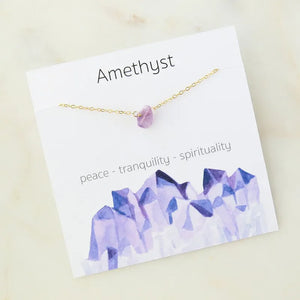
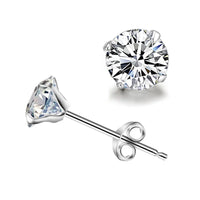
The piece they're describing → CZ Ohrstecker für Damen — 925 Sterling Silber, Zirkonia, Hypoallergen
Personalize Yours


