


The jewelry question for a fresh piercing isn't about style yet — it's about what material and post type actually lets the piercing heal cleanly. Switching too early, or into the wrong metal, is one of the most common causes of irritation, prolonged healing, or a piercing closing up unevenly. This guide covers the real accepted materials for a new piercing, why post style matters as much as metal, and when it's actually safe to move to fashion jewelry.
Materials Accepted for a Fresh Piercing
Per APP guidance, three material categories are considered safe for initial and healing jewelry: implant-grade titanium (ASTM F136), niobium, and nickel- and cadmium-free solid 14K+ gold. All three are biocompatible and unlikely to cause the reaction that lower-quality or undisclosed alloys can trigger during the vulnerable healing window. Sterling silver, gold-plated, gold-filled, and vermeil jewelry are not on this list — not because they're inherently bad materials, but because a fresh piercing wound is more sensitive to any metal that isn't fully biocompatible, and plating specifically can wear or flake inside a healing channel.
Post Style: Flat-Back vs. Butterfly-Back
Most professional piercers use a flat-back (labret-style) stud for fresh lobe piercings rather than a traditional butterfly-back post. The flat disc sits securely against the back of the lobe without the bulkier butterfly clutch, and it's easier to keep clean during healing since there's less surface area trapping product buildup. Many piercers now recommend flat-backs even for finished, healed lobes — not just initial piercings — for the same cleanliness and comfort reasons.

The "3/2/1 Rule," Explained Honestly
You'll see a "3/2/1 rule" referenced online — roughly, 3 months minimum for lobes, 2 months for some cartilage placements, 1 month or less for certain other spots — but this isn't an official, universally agreed-upon standard; healing time varies by individual anatomy, aftercare, and piercing location, and cartilage placements in particular often take much longer than 2 months (the Aug 30 guides on daith and rook piercings both put realistic cartilage healing at 6–9+ months). Treat any rule-of-thumb number as a rough floor, not a green light — the real signal is whether your piercing feels fully healed (no tenderness, swelling, or discharge), confirmed by your piercer if you're unsure.
When to Switch to Fashion Jewelry
For a standard earlobe piercing, most piercers clear a switch to fashion jewelry (sterling silver, gold-plated, or other fashion metals) around 6–8 weeks, once initial healing is complete and the piercer has confirmed there's no ongoing tenderness or discharge. Going earlier risks introducing bacteria or irritation into a channel that hasn't fully closed around the initial jewelry. If in doubt, wait — a few extra weeks costs nothing; switching too early can restart the healing clock.
| Stage | Accepted Material | Post Style |
|---|---|---|
| Fresh/healing lobe (0–8 weeks) | Implant-grade titanium, niobium, solid 14K+ gold | Flat-back labret stud |
| Fully healed lobe (8+ weeks) | 925 sterling silver, 18K gold-plated, solid gold | Flat-back or standard post |
An Honest Note on Buying From Us
We don't stock implant-grade titanium or niobium piercing jewelry — for the actual piercing and the initial healing window, go to a licensed piercer who can size the exact gauge and post length for you. What we carry, for once you're fully healed and cleared for fashion jewelry, is 925 sterling silver and 18K gold-plated CZ stud earrings — a genuine, hypoallergenic option for the styling stage, not a substitute for initial-piercing hardware.
Best Earrings for New Ear Piercings: Common Questions
- What earrings are best for a first-time ear piercing?
- A flat-back stud in implant-grade titanium, niobium, or nickel-free solid 14K+ gold — the accepted materials for initial and healing jewelry per professional piercing standards.
- What are the best earrings to wear after getting a piercing?
- Stay in your initial jewelry (titanium, niobium, or solid gold) through the full healing window before switching. Once your piercer clears you, sterling silver or gold-plated fashion jewelry is a reasonable next step for standard lobes.
- What is the best material for earrings for newly pierced ears?
- Implant-grade titanium (ASTM F136) and niobium are the two most consistently recommended, biocompatible options for fresh piercings, alongside nickel-free solid 14K+ gold.
- What's the 3/2/1 piercing rule?
- A rough, non-official guideline suggesting roughly 3 months minimum healing for lobes, 2 months for some cartilage placements, and 1 month or less for select others. It's not a universal medical standard — actual healing time varies by anatomy and aftercare, and cartilage often takes considerably longer than the shorthand suggests.
- Can I wear sterling silver in a fresh piercing?
- No — sterling silver isn't on the accepted-materials list for initial or healing piercings. It's a fine, hypoallergenic choice for finished, fully healed jewelry, but not for the piercing itself.
- How long should I keep my starter earrings in before switching?
- For a standard lobe, most piercers clear a switch around 6–8 weeks once healing is confirmed complete. Cartilage placements take significantly longer. Always confirm with your specific piercer rather than relying on a generic timeline.
- What happens if I switch earrings too early?
- You risk introducing bacteria into a channel that hasn't fully closed, which can cause irritation, prolong healing, or in some cases lead to infection. If you're unsure whether you've healed, ask your piercer before switching.
Final Thoughts
The right earring for a new piercing depends entirely on the stage you're in — implant-grade titanium, niobium, or solid gold for the healing window, and only after that, fashion metals like sterling silver or gold-plated jewelry. Trust a licensed piercer for the initial hardware; once you're cleared, AJLuxe's 925 sterling silver CZ studs are a genuine, disclosed option for the styling stage.
This guide covers general piercing-industry standards. It isn't medical advice — for anything specific to your piercing or healing, talk to a licensed professional piercer. Last updated: August 2026. Written by the AJLuxe team — specialists in personalized sterling silver jewelry.
Alle Marken, Markennamen und Produktnamen Dritter sind Eigentum ihrer jeweiligen Inhaber. AJLuxe steht in keiner Verbindung zu den in diesem Artikel genannten Marken Dritter und wird von diesen weder unterstützt noch gesponsert. Markennamen werden ausschließlich zur sachlichen vergleichenden Bezugnahme verwendet; Materialangaben entsprechen den eigenen veröffentlichten Produktangaben der jeweiligen Marke zum Zeitpunkt der Erstellung.
You Might Also Like
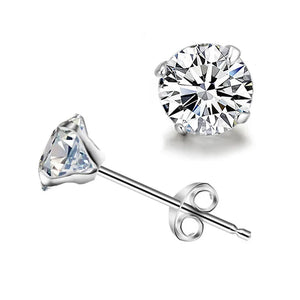
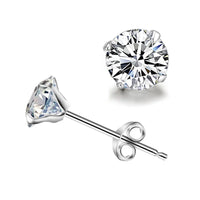
The piece they're describing → CZ Ohrstecker für Damen — 925 Sterling Silber, Zirkonia, Hypoallergen
Personalize Yours


