


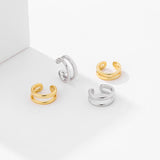
- Cartilage heals much slower than earlobes (often 6-12 months or more), so metal choice matters more here than almost anywhere else on the body.
- Nickel is the leading cause of ear piercing reactions — check the actual metal, not just a "hypoallergenic" label.
- The Association of Professional Piercers recommends implant-grade titanium, niobium, solid 14k+ gold, or platinum for new and healing piercings.
- 925 sterling silver and 18K gold plating are solid hypoallergenic options for healed cartilage piercings and everyday jewelry swaps — not for fresh piercings.
- Redness or itching that shows up days or weeks after a new earring, rather than right after piercing, usually points to a metal reaction, not general skin sensitivity.
- Look for the actual metal disclosed ("925 sterling silver," "18K gold plated," "nickel-free") instead of trusting the word "hypoallergenic" alone.
Cartilage piercings — helix, tragus, conch, rook, daith — are some of the most rewarding piercings to collect and some of the most unforgiving when the jewelry is wrong. Unlike an earlobe, cartilage has very little blood supply, which means healing takes longer and any metal irritation lingers instead of resolving on its own. If you've dealt with a red, itchy, or crusty cartilage piercing, the cause is very often the earring itself — not your body being "too sensitive" for jewelry in general. Here's what actually makes cartilage jewelry hypoallergenic, which metals are worth it, and where sterling silver and gold plating genuinely fit in.
What Makes Cartilage Piercing Jewelry "Hypoallergenic"?
Hypoallergenic cartilage jewelry is jewelry made from metals unlikely to trigger a skin reaction — meaning it's free of nickel, the most common metal allergen in cheap earrings, and made from a stable alloy that won't corrode or leach into the piercing. "Hypoallergenic" isn't a regulated or lab-tested certification; it's a description of metal composition, so the material actually stamped or listed on the piece matters far more than the word on the label. Nickel allergy is one of the most common contact allergies overall, which is exactly why cheap gold-tone or silver-tone earrings cause so many cartilage flare-ups.
Best Metals for Cartilage Piercings, Ranked
For cartilage piercings, implant-grade titanium and niobium rank highest for new piercings, solid 14k+ gold and platinum are strong alternatives, and 925 sterling silver with 18K gold plating is best reserved for piercings that have already healed.
| Metal | Best for | Nickel content | Notes |
|---|---|---|---|
| Implant-grade titanium | New & healing piercings | None | Piercer standard; inert, won't tarnish |
| Niobium | New & healing piercings | None | Similar to titanium, common for threadless studs |
| Solid 14k+ gold | New & healed piercings | None in solid form | Premium cost, long-term option |
| Platinum | New & healed piercings | None | Most hypoallergenic precious metal, highest price |
| 925 sterling silver | Healed piercings, daily wear | Trace or none in quality pieces | Affordable, can tarnish over time |
| 18K gold-plated sterling silver | Healed piercings, style variety | Trace or none in quality pieces | Great look-for-price; plating wears with heavy use |
| Nickel-plated / unmarked "costume" metal | Avoid entirely | Often high | Leading cause of irritation and infection risk |
Is Sterling Silver Good for Cartilage Piercings?
Sterling silver is a good choice for cartilage piercings that have already healed, but most piercers don't recommend it for a brand-new piercing, since silver is a comparatively soft, reactive metal that can tarnish inside a healing wound and isn't classified as implant-grade. Once a cartilage piercing is fully healed — often 6 to 12 months or longer given how slowly cartilage heals — switching to 925 sterling silver or 18K gold-plated sterling silver is generally fine for most people with sensitive skin, since 925 silver is 92.5% pure silver and doesn't carry the nickel content behind most earring reactions.
AJLuxe's hypoallergenic jewelry collection is built around exactly this healed-piercing use case: 925 sterling silver with 18K gold plating, priced between $24.99 and $79.99, so swapping cartilage earrings for something more polished doesn't mean risking a fresh reaction. It's the right move once your piercing has fully closed over — not a substitute for implant-grade titanium during the first several months.
Signs Your Cartilage Piercing Jewelry Is Causing a Reaction
The clearest sign of a metal reaction is redness, itching, or a rash localized right around the piercing that develops days or weeks after inserting new jewelry, rather than the normal soreness that shows up immediately after getting pierced. Other red flags include greenish or dark discoloration on the skin around the piece, persistent dryness or flaking at the site, or a piercing that suddenly turns irritated after months of being fine — often a sign the plating has worn through to a base metal underneath. These are different from infection warning signs like spreading redness, warmth, swelling, or pus, which call for a professional piercer or a doctor rather than a jewelry swap.
How to Choose Hypoallergenic Cartilage Jewelry When Shopping
Choose cartilage jewelry by checking the exact metal disclosed on the listing, not the marketing language — look for "implant-grade titanium," "niobium," "solid gold," or "925 sterling silver," and skip listings that only say "hypoallergenic" or "silver-tone" without naming the actual material.
- Look for the exact metal name, not vague descriptors like "silver-tone" or "gold-tone," which usually signal a plated base metal of unknown composition.
- For new piercings, stick to implant-grade titanium or niobium regardless of price point.
- For healed piercings, 925 sterling silver and 18K gold plating are reliable, affordable, everyday options.
- Be wary of "surgical steel" costume jewelry with no grade specified — some blends still contain enough nickel to trigger a reaction.
- Check the seller's return or exchange policy; a seller confident in its material claims will stand behind them.
Cartilage Piercing Jewelry Care Tips
Keep cartilage jewelry in good condition by rinsing new piercings with saline during healing, avoiding early removal or rotation, and storing sterling silver or gold-plated pieces away from moisture once healed to keep tarnish from transferring into the piercing.
- Don't remove or change jewelry in a cartilage piercing before it's fully healed, even if it looks closed on the surface.
- Clean new piercings with a saline solution rather than alcohol or peroxide, which can dry out and irritate the area.
- Store 925 sterling silver and 18K gold-plated pieces in a dry pouch or box between wears to slow tarnish.
- If irritation appears after months of trouble-free wear, check whether plating has worn thin before assuming it's a new allergy.
For piercing safety guidance beyond jewelry material, the Association of Professional Piercers publishes aftercare and jewelry standards used across the industry.
Frequently Asked Questions
Is sterling silver hypoallergenic for cartilage piercings?
925 sterling silver is generally considered hypoallergenic and is a good choice for healed cartilage piercings, though it's not the top pick for a brand-new piercing since implant-grade titanium or niobium is safer during initial healing. Sterling silver is 92.5% pure silver, which most people with sensitive skin tolerate well, and AJLuxe plates its pieces with 18K gold over sterling silver rather than lower-quality base metals.
What is the best metal for a new cartilage piercing?
Implant-grade titanium or niobium is the best metal for a brand-new cartilage piercing, since both are inert, nickel-free, and won't irritate healing tissue. Solid 14k+ gold and platinum are also acceptable for initial piercings; sterling silver and gold-plated jewelry are better suited to piercings that have already fully healed.
Can you wear gold-plated earrings in a healed cartilage piercing?
Yes, 18K gold-plated sterling silver earrings are a popular and generally safe choice for healed cartilage piercings, as long as the base metal is genuinely nickel-free. Once a cartilage piercing is fully healed, the surrounding skin is far less sensitive to metal contact than during the initial healing window.
How long should you wait before changing cartilage piercing jewelry?
Most piercers recommend leaving the original jewelry in a cartilage piercing for at least 3 to 6 months, and often up to a year, before swapping it out. Cartilage has less blood flow than earlobe tissue, so it heals more slowly and is more prone to complications if changed too early.
Why does my ear get irritated with certain earrings but not others?
Ear irritation from specific earrings is almost always a reaction to nickel or another base metal in that particular piece, not a general sensitivity to all metal. Switching to jewelry made from nickel-free materials, such as 925 sterling silver, 18K gold, titanium, or niobium, usually resolves the irritation within days.
Does "hypoallergenic" on a jewelry label actually mean anything?
"Hypoallergenic" isn't a regulated term, so it can appear on jewelry that still contains trace nickel or low-quality alloys. The more reliable approach is to check the metal actually disclosed, such as "925 sterling silver" or "implant-grade titanium," rather than trusting the word "hypoallergenic" alone.
Related reading: Hypoallergenic Navel Jewelry: What Actually Prevents Belly Piercing Irritation (2026).
Related reading: Hypoallergenic Earrings for Pierced Ears: What Actually Works (2026).
Related reading: Sterling Silver Earrings for Sensitive Ears: What Actually Works (2026).
Alle Marken, Markennamen und Produktnamen Dritter sind Eigentum ihrer jeweiligen Inhaber. AJLuxe steht in keiner Verbindung zu den in diesem Artikel genannten Marken Dritter und wird von diesen weder unterstützt noch gesponsert. Markennamen werden ausschließlich zur sachlichen vergleichenden Bezugnahme verwendet; Materialangaben entsprechen den eigenen veröffentlichten Produktangaben der jeweiligen Marke zum Zeitpunkt der Erstellung.
You Might Also Like
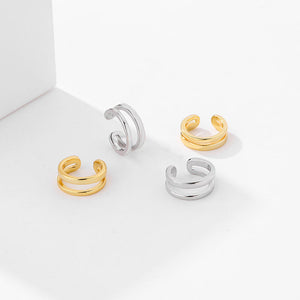
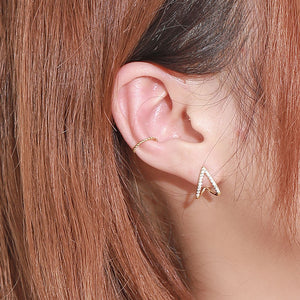
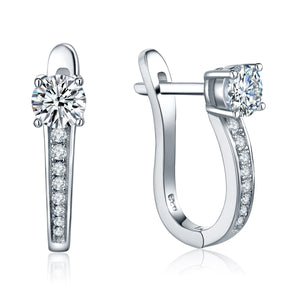

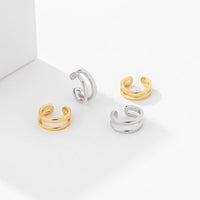
The piece they're describing → Ohrklemmen für Damen – Sterlingsilber 925, Kein Piercing nötig, Vergoldet
Personalize Yours


