


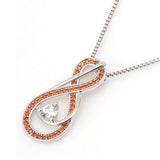
A necklace that's a little too long isn't a defect — it's usually a length mismatch, not a length problem. Chains inherited from a taller relative, pieces bought online without trying them on, or a necklace that just doesn't sit right with a particular neckline all have the same easy fix: take up the slack without cutting anything. This guide walks through the knot method step by step, three other no-cut alternatives, what actually damages a chain while you're shortening it, and when it's worth making the change permanent instead.
Why a Necklace Ends Up Too Long
Most "too long" necklaces aren't actually broken or wrong — they're just sized for a different moment. A pendant gifted at a standard 18–20" length can sit lower than you'd like on a smaller frame. A chain bought to layer under a shorter piece can end up as the odd one out. And a necklace that looked right on a model shot at 24" can read as swimming on you in person. None of that calls for altering the piece permanently — it calls for a reversible way to close the gap, which is exactly what the methods below do.
What You Need
The knot method requires no tools or supplies — just the necklace itself and your hands. The alternatives use a couple of inexpensive extras.
- Just your hands — for the knot method, which is the whole point of it.
- A necklace-shortening clasp (optional) — a small lobster clasp or hook-and-eye finding sold at craft and jewelry-supply stores specifically for clipping a chain shorter without altering it. Inexpensive and completely reversible.
- A small jump ring or spare lobster clasp (optional) — only if you're using the clip method and don't already own a necklace-shortening clasp; a spare from an old jewelry-repair kit works.
- A mirror — for checking where the knot or wrap sits before you commit to it.
How to Temporarily Shorten a Necklace: The Knot Method
This is the fastest and most universal fix — no tools, no purchase, fully reversible, and it works on almost any flexible chain.
- Put the necklace on first. Fasten the clasp as normal and let the necklace hang at its full length. You need to see the actual excess before you decide where to take it up.
- Find where you want it to sit. Use a mirror to check the length you actually want — most people take a necklace up 2–4 inches to move a pendant from mid-chest to collarbone height.
- Locate the slack at the back of the neck. Pinch the chain at the nape of the neck, roughly where the extra length needs to disappear. This spot is easiest to hide under hair or a collar.
- Tie a simple overhand knot. Cross the chain over itself once, like the first step of tying a shoelace, and pull it snug — not tight enough to strain the links, just enough to hold its shape.
- Check the new length in the mirror. If the pendant still sits lower than you want, add a second knot right next to the first one to take up another inch or two.
- Settle the knot under your hair or collar. A knot at the nape of the neck is almost always covered by hair, a collar, or a coat — that's what makes this method invisible in practice, not just in theory.
The whole process takes about two minutes once you know where you want the knot. To undo it, just work the knot loose the same way you'd untangle a snag — gently, without pulling the two ends apart.
Other Ways to Shorten a Necklace Without Cutting
The knot method is the quickest fix, but it isn't the only reversible one. These work well in different situations.
The wrap method. Take the excess length and wrap it around the chain itself, close to the clasp, like winding a bit of string around your finger. This works especially well on very long necklaces (28"+) where a single knot would still leave too much length — wrapping two or three times can take up 6–8 inches at once. It's also a fast way to turn one long chain into a shorter, slightly textured-looking necklace for the day.
The necklace-shortening clasp. This is a small clip — usually a lobster clasp or hook — designed specifically for this job. Attach it to the chain at the point where you want the new "end" to be, then hook your existing clasp to it instead of to the original end link. The extra length hangs invisibly behind the wearer's neck. It's the closest thing to a purpose-built solution, reusable across multiple necklaces, and worth keeping in a jewelry box if you tend to buy chains that run long.
Attach the clasp to an inner link instead of the end link. If your necklace's clasp is a lobster claw or spring ring (not a fixed loop), you can simply hook it to any link further up the chain instead of the designated end link. This shortens the necklace by exactly the distance between that link and the true end — no extra tools needed, though it does put slightly more wear on that one link over time than the end link was designed for, so it's better as an occasional fix than a daily habit.
Double it up. If the chain is long enough (24" or more), lift it over your head twice instead of once, so it sits as two shorter loops instead of one long one. This doesn't reduce the necklace's actual length, but it changes how it sits — turning one long single-strand necklace into a shorter, layered-looking piece with no alteration at all.

What Not to Do
A few habits turn an easy, reversible fix into a damaged necklace.
Don't pull the knot tight like a shoelace you're cinching. A snug overhand knot holds its shape; a hard-yanked one puts real tension on the links closest to it and can weaken or deform them over time, especially on delicate box or snake chains.
Don't leave a knot in place for months at a time. An occasional or weekly knot is fine. A knot left tied for weeks on end concentrates wear on the same few links every time you put the necklace on and take it off — untie it between wears if you can.
Don't force a hook-and-eye clasp onto a link it wasn't designed for. Some inner links are soldered closed and won't open for a clasp to hook through; forcing one can bend or snap the link. If a link doesn't open easily, move to a different link or use the knot method instead.
Don't reach for scissors for a fix you might want to undo. Cutting a chain is permanent. If there's any chance you'll want the original length back — for layering, for resale, or just because your mind changes — use one of the reversible methods above first.
Which Method to Use
| Situation | Best method | Time |
|---|---|---|
| Need it shorter by 1–4 inches, right now | Overhand knot at the nape | ~2 minutes |
| Very long chain (28"+), need 6–8 inches gone | Wrap method near the clasp | ~2 minutes |
| Want a reusable, no-knot solution for several necklaces | Necklace-shortening clasp | One-time purchase, seconds per wear after |
| Clasp is a lobster claw or spring ring | Hook clasp to an inner link | ~30 seconds |
| Necklace is long enough to layer on itself | Double it up | Instant |
| You'll always want this exact necklace shorter | Jeweler: remove links, re-solder clasp | Permanent — a short jeweler visit |
When to Make It Permanent Instead
If you find yourself tying the same knot every single time you wear a particular necklace, that's a sign the piece is simply the wrong length for you — and a reversible fix isn't saving you anything anymore. In that case, a jeweler can remove the extra links and re-solder the clasp for a clean, permanent result, usually for a modest fee. This is also the right call if a necklace has a fixed (non-opening) clasp that can't take the inner-link trick, or if you want a shortened necklace to look finished rather than adjusted. Ask the jeweler to keep the removed links — a few spare links from a sterling silver or gold-plated chain can be useful for future repairs.
Choosing the Right Length Next Time
Shortening a necklace after the fact works, but picking the right length up front saves the extra step entirely. A few ways to get it right before you buy:
- Use a length visualizer before you buy. Our necklace length visualizer shows how 16", 18", 20", and longer chains actually sit on different necklines, so you can pick the right length instead of guessing.
- Check our length guide for standard sizing. Our necklace length guide breaks down what each standard length (choker, princess, matinee, opera) means and who it tends to suit.
- Plan for layering, not just one piece. If you're building a layered look, our guide on how to layer necklaces without tangling covers spacing lengths so pieces sit at different heights instead of bunching.
- Consider an adjustable chain style. Some chain styles come with a built-in extender near the clasp, so you can change the length by a couple of inches without knotting or wrapping at all. Our guide to chain necklace styles covers which ones typically include one.
Browse our chain necklace collection — sterling silver and 18K gold plated styles in a full range of lengths, so the next one fits right from the first wear.
Frequently Asked Questions
You can shorten a necklace chain without cutting it by knotting it, wrapping it near the clasp, using a shortening clasp, or hooking it to an inner link.
Tie a simple overhand knot in the chain at the back of the neck, where it's hidden by hair or a collar — this is the fastest reversible fix and takes about two minutes. For longer chains, wrapping the excess around itself near the clasp or clipping on a necklace-shortening clasp both work just as well without any cutting.
How do you shorten your own necklace at home?
The overhand knot method needs no tools at all: put the necklace on, pinch the chain where you want the extra length to disappear, and tie a snug (not tight) knot. If you want a reusable option instead of tying a fresh knot each time, a small necklace-shortening clasp from a craft store clips onto any link and holds the shorter length permanently reversible.
What do you do if a necklace is too long?
Before reaching for scissors, try a reversible fix: knot the chain at the nape of the neck, wrap the excess near the clasp, or hook the clasp to an inner link instead of the end link. Any of these takes the necklace up by a few inches in under a couple of minutes and can be undone just as quickly.
Can you make a DIY necklace shortener?
Yes — a spare small lobster clasp or jump ring attached partway down the chain works the same way as a purpose-made necklace-shortening clasp, letting you hook the necklace's existing clasp to it instead of the end. It's a genuine DIY option if you already have a spare finding from an old repair kit.
Should I just cut the chain instead?
Only if you're certain you'll always want that necklace shorter. Cutting and re-soldering is permanent, so it's worth saving for a piece you never wear at full length rather than one that's occasionally too long for a specific outfit or neckline — a knot or wrap handles those cases without giving up the option to wear it long again.
Final Thoughts
A necklace that hangs too long isn't a reason to reach for scissors. A simple knot at the nape of the neck fixes most cases in about two minutes, and wrapping, clip-on shorteners, and the inner-link trick cover the rest — all fully reversible. Save cutting and re-soldering for the rare piece you'll genuinely always want shorter.
If you're shopping for something new, use our necklace length visualizer to get the length right from the start, or browse our chain necklace collection for sterling silver and 18K gold plated styles in the length you actually need.
Written by the AJLuxe team — specialists in 925 sterling silver and 18K gold plated jewelry. Last updated: July 2026.
Alle Marken, Markennamen und Produktnamen Dritter sind Eigentum ihrer jeweiligen Inhaber. AJLuxe steht in keiner Verbindung zu den in diesem Artikel genannten Marken Dritter und wird von diesen weder unterstützt noch gesponsert. Markennamen werden ausschließlich zur sachlichen vergleichenden Bezugnahme verwendet; Materialangaben entsprechen den eigenen veröffentlichten Produktangaben der jeweiligen Marke zum Zeitpunkt der Erstellung.
You Might Also Like
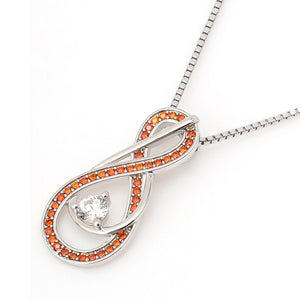

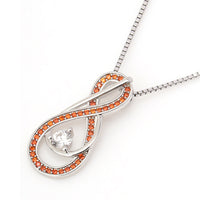
The piece they're describing → Januar Geburtsstein-Halskette für Damen – Granat Rot Unendlichkeits-Anhänger, 925er Sterlingsilber
Personalize Yours


