


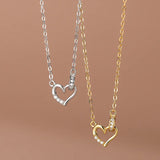
TL;DR: Jewelry tarnishes when metal reacts with sulfur, oxygen, and moisture in the air — and that reaction speeds up around sweat, lotion, perfume, chlorine, and humidity. You can prevent most tarnish by storing pieces airtight with anti-tarnish strips or silica gel, applying cosmetics before putting jewelry on, wiping metal down after every wear, and choosing tarnish-resistant metals like titanium or solid gold for daily pieces. A five-minute routine keeps jewelry looking new for years.
Why Jewelry Tarnishes in the First Place
Tarnish is a chemical reaction, not dirt. Most jewelry metals — sterling silver, gold-plated brass, gold vermeil, copper, and brass alloys — contain metals that react with sulfur compounds and oxygen in ordinary air. Sterling silver is the classic example: the copper alloyed into 925 silver (pure silver is too soft to wear alone) reacts with trace sulfur in the air to form silver sulfide, the dark film you see building up on rings and chains. That reaction doesn't need water or wear to happen; it happens just from sitting out in a humid or polluted environment.
What accelerates it is anything that adds more sulfur, acid, salt, or moisture to the mix: sweat, skin oils, perfume, hairspray, chlorinated pool water, and rubber-lined jewelry boxes (rubber off-gasses sulfur compounds) are all common culprits. According to Jewelers of America's jewelry care guidance, exposure to household chemicals, chlorine, and cosmetics is one of the leading causes of premature tarnish and discoloration, and removing jewelry before these exposures is one of the simplest ways to extend its life.
The good news: because tarnish is caused by predictable chemistry, it's also predictably preventable. Once you understand what's driving the reaction, a few small habit changes stop most of it before it starts.
Already Dealing With Tarnish? Read This First
If your jewelry has already gone dull, cloudy, or dark, this guide won't get you there — it's built for stopping tarnish before it happens, not removing it once it has. For step-by-step cleaning methods by metal type (including what never to use on gemstones or pearls), see our full guide: How to Clean Tarnished Jewelry. Come back here once it's clean again to keep it that way.
Which Metals Tarnish Fastest? A Side-by-Side Comparison
Not all jewelry metals are equally vulnerable. The table below breaks down how fast common metals tarnish and the single best prevention method for each.
| Metal Type | Tarnish Speed | Why | Best Prevention Method |
|---|---|---|---|
| Sterling Silver (925) | Fast — weeks to months | Copper alloy reacts with sulfur in air | Anti-tarnish strips + airtight storage |
| Copper & Brass | Fastest — days to weeks | High reactivity to oxygen and moisture | Airtight bags, avoid humidity entirely |
| Gold-Plated / Gold Vermeil | Moderate — weeks to months once plating thins | Base metal or silver core exposed as plating wears | Minimize water/friction, store separately |
| Gold-Filled | Slow — months to years | Thick bonded gold layer resists most exposure | Wipe after wear, dry storage |
| Solid Gold (14K–18K) | Very slow | Gold itself doesn't tarnish; alloy metals can dull slightly | Occasional wipe-down, minimal upkeep needed |
| Titanium & Stainless Steel | Essentially none | Naturally forms a stable, non-reactive oxide layer | No special storage needed |
The takeaway: if you wear a piece daily and don't want to think about maintenance, titanium, stainless steel, or solid gold demand the least effort. If you love sterling silver or gold-plated pieces (and most jewelry collections include plenty), the prevention habits below matter a lot more.
Storage Habit #1: Keep Air (and Sulfur) Away From Metal
Since tarnish is a reaction with airborne sulfur and oxygen, the single most effective prevention step is limiting your jewelry's air exposure between wears.
- Anti-tarnish strips or pouches — these are treated with an agent that absorbs sulfur compounds before they reach your jewelry. Drop one into a drawer, box, or zip-top bag and replace it every few months.
- Zip-top bags with the air pressed out — a low-cost option that works surprisingly well for sterling silver pieces you're not wearing regularly.
- Silica gel packets — these control humidity rather than sulfur directly, but since moisture speeds up the tarnish reaction, keeping storage dry matters almost as much as keeping it airtight.
- Lined jewelry boxes — look for anti-tarnish or tarnish-resistant lining specifically. Ordinary velvet or cheap foam linings can actually trap moisture and, in some cases, off-gas sulfur compounds that make tarnish worse, not better.
Avoid the bathroom as a storage location altogether. It's the most humid room in most homes, and steam from showers accelerates tarnish on anything left on a counter or in an open dish.

Wear Habit #1: Cosmetics Go On Before Jewelry, Not After
This is the single biggest behavior change that prevents tarnish, and it costs nothing. Perfume, hairspray, lotion, and sunscreen all contain chemicals (alcohol, sulfates, oils, and fragrance compounds) that react with metal on contact. Spraying perfume directly onto a necklace or rubbing lotion over a ring dramatically speeds up tarnish and, on plated pieces, can also break down the plating layer itself.
The fix is a simple order-of-operations change:
- Shower, apply lotion, sunscreen, perfume, and hairspray first
- Let products fully absorb or dry (a few minutes is enough)
- Put jewelry on last
- At the end of the day, take jewelry off first, before washing your face or applying nighttime skincare
This single habit change eliminates the majority of contact exposure to the products that cause the fastest tarnish.
Wear Habit #2: Sweat, Water, and Chlorine Are Tarnish Accelerants
Sweat contains salt and mild acids that react with metal surfaces, which is why rings worn during workouts often develop a dark line faster than jewelry that's only worn occasionally. Chlorinated pool water is even more aggressive — chlorine actively corrodes plated and sterling silver jewelry and can pit or discolor the metal within a single swim.
- Remove rings, bracelets, and watches before workouts, yard work, or manual tasks that cause heavy sweating
- Take jewelry off before swimming, whether it's a pool, hot tub, or ocean — salt water is also corrosive to plated and softer metals
- Remove jewelry before washing dishes, cleaning with household chemicals, or gardening with fertilizer or soil contact
- If you do get jewelry wet accidentally, dry it fully with a soft cloth as soon as possible — don't let it air-dry while still damp, since that prolongs moisture contact
If you want jewelry you genuinely don't have to think about around water or sweat, titanium and surgical-grade stainless steel are the two metals built for that use case.
Build a 5-Minute Maintenance Routine
Prevention isn't a one-time setup — it's a habit. A short routine after regular wear keeps tarnish from ever getting a foothold:
- Wipe down after every wear — a soft, lint-free polishing cloth removes the oils, sweat residue, and product buildup that would otherwise sit on the metal overnight. This alone prevents a large share of everyday tarnish.
- Store separately — tangled chains and pieces resting against each other trap moisture between surfaces and can scratch soft plating, which then tarnishes faster at the exposed spot.
- Rotate anti-tarnish strips every 2–3 months — the sulfur-absorbing treatment wears out over time, especially in humid climates.
- Do a monthly check — look over pieces you wear less often. Catching early tarnish and doing a light polish is far easier than reversing months of buildup.
- Keep jewelry away from direct sunlight and heat — both can accelerate oxidation, especially on gemstone settings and plated pieces.

Choosing Tarnish-Resistant Metals for Daily Wear
If you wear the same few pieces every single day — a stack of rings, an everyday necklace, hoop earrings — the lowest-effort prevention strategy is choosing metals that simply don't tarnish in the first place.
- Titanium forms a stable oxide layer on its surface that resists corrosion entirely; it's also hypoallergenic and holds up in water and sweat.
- Stainless steel is similarly resistant thanks to its chromium content, which forms a protective layer, making it a popular choice for waterproof and everyday jewelry.
- Solid gold (14K and up) doesn't tarnish the way silver does, since gold itself is chemically stable; higher-karat gold tarnishes even less than lower-karat gold because it contains less reactive alloy metal.
- Gold-filled jewelry has a much thicker bonded gold layer than gold-plated pieces, so it resists tarnish and wear far longer, even though it's not solid gold all the way through.
None of this means you should avoid sterling silver or gold-plated jewelry — they're beautiful and affordable, and with the storage and wear habits above, they hold up well. It just means daily-wear pieces benefit the most from tarnish-resistant metal choices, while occasional-wear statement pieces are fine in silver or plated metal as long as they're stored properly between wears.
Preventing Tarnish While Traveling
Travel is when jewelry is most likely to tarnish fast, because it combines humidity changes, sweat, sunscreen, and often poor storage (tossed loose into a toiletry bag or suitcase pocket). A few travel-specific habits help:
- Pack jewelry in a dedicated travel case with individual compartments, not loose in a bag
- Bring a spare anti-tarnish strip or a small silica gel packet for humid destinations
- Apply sunscreen and bug spray before putting jewelry on, same as at home
- Avoid leaving jewelry in a hot car or direct sun, which speeds up chemical reactions on metal
- If you're headed somewhere humid or beach-adjacent, lean on tarnish-resistant metals (titanium, stainless steel, solid gold) for the trip and leave delicate sterling silver at home
Related reading: Jewelry storage ideas.
Related reading: Does Brighton Jewelry Tarnish? What the Metal Actually Is (2026).
Frequently Asked Questions
What metals are least likely to tarnish?
Titanium and stainless steel are the most tarnish-resistant jewelry metals because they form a stable, non-reactive oxide layer on their surface. Solid gold (14K and higher) is also highly resistant since gold itself doesn't chemically react with sulfur or oxygen the way silver's copper alloy does.
How should I store jewelry to prevent tarnish?
Store jewelry airtight, using anti-tarnish strips, a zip-top bag with the air pressed out, or a lined jewelry box designed for tarnish resistance. Keep pieces separated so they don't rub against each other, and avoid humid rooms like bathrooms.
Does humidity cause jewelry to tarnish?
Yes. Moisture in the air speeds up the chemical reaction between metal and sulfur compounds, which is why jewelry left in a humid bathroom or a coastal climate tarnishes noticeably faster than jewelry stored in a dry, climate-controlled room.
Should I take off my jewelry before applying makeup or perfume?
Yes, ideally. Apply lotion, sunscreen, perfume, and hairspray first, let them absorb or dry, and put jewelry on last. Spraying perfume directly onto jewelry or rubbing lotion over a ring is one of the fastest ways to accelerate tarnish.
Can lotions and cosmetics speed up jewelry tarnishing?
Yes. Many lotions, sunscreens, and perfumes contain alcohol, sulfates, and fragrance compounds that react with metal surfaces on contact, which speeds up tarnish and can also break down thin plating layers over time.
Is it safe to wear jewelry while swimming or showering?
It's best to remove sterling silver and gold-plated jewelry before swimming or showering. Chlorine and salt water are both corrosive to these metals and can cause visible tarnish or pitting after just one exposure. Titanium and stainless steel jewelry can generally be worn in water without issue.
Do anti-tarnish strips or pouches actually prevent tarnish?
Yes, they're one of the most effective prevention tools available. Anti-tarnish strips are treated with a sulfur-absorbing agent that intercepts the airborne compounds that cause tarnish before they reach your jewelry. They should be replaced every 2–3 months as the treatment wears out.
Why does my jewelry tarnish quickly even when I rarely wear it?
Tarnish happens from air exposure alone, not just from wear. If jewelry is stored loose in an open dish or drawer without an airtight container or anti-tarnish strip, it's continuously exposed to sulfur compounds and humidity in the air, which causes tarnish even on pieces that spend most of their time untouched.
Does chalk help prevent jewelry from tarnishing?
A piece of blackboard chalk placed in a jewelry box is a common home remedy because it absorbs some ambient moisture, which can modestly slow tarnish. It's far less effective than a purpose-made anti-tarnish strip, though, and works best as a backup rather than a primary method.
What is the best way to store silver jewelry to keep it from tarnishing?
Store sterling silver in an airtight anti-tarnish pouch or a zip-top bag with the air pressed out, ideally with an anti-tarnish strip inside. Keep it in a cool, dry location away from bathrooms, and avoid rubber-lined boxes, since rubber can off-gas sulfur compounds that make tarnish worse.
Can sweat make jewelry tarnish faster?
Yes. Sweat contains salt and mild acids that react with metal, which is why rings and bracelets worn during workouts often develop tarnish or discoloration faster than pieces worn only occasionally. Removing jewelry before exercise helps prevent this.
Should I wear jewelry every day or store it to prevent tarnish?
Either is fine as long as the maintenance matches. Daily-wear pieces benefit from a quick wipe-down after each wear and choosing tarnish-resistant metals like titanium or solid gold. Occasional pieces should be stored airtight with an anti-tarnish strip between wears rather than left out.
Shop Tarnish-Resistant Everyday Jewelry
Looking for a piece that's easy to keep looking new? The Dainty Circle Heart Necklace is a lightweight, everyday-wear piece — follow the storage and wear habits above and a quick wipe after each wear keeps it looking new.
Shop the NecklaceFinal Thoughts
Tarnish prevention comes down to controlling three things: air exposure, moisture, and contact with sulfur-heavy products like perfume and lotion. Storing jewelry airtight with an anti-tarnish strip, applying cosmetics before putting pieces on, and wiping metal down after each wear will prevent the vast majority of tarnish before it ever starts. For pieces you wear every day without fail, choosing titanium, stainless steel, or solid gold removes the need for most of this maintenance altogether.
If tarnish has already set in on a piece, our companion guide covers safe removal methods by metal type: How to Clean Tarnished Jewelry. For more on organizing your full collection, see How to Store Jewelry Properly. Packing jewelry for a trip is one of the most common tarnish triggers — see How to Travel With Jewelry for a damage-free packing routine.
Alle Marken, Markennamen und Produktnamen Dritter sind Eigentum ihrer jeweiligen Inhaber. AJLuxe steht in keiner Verbindung zu den in diesem Artikel genannten Marken Dritter und wird von diesen weder unterstützt noch gesponsert. Markennamen werden ausschließlich zur sachlichen vergleichenden Bezugnahme verwendet; Materialangaben entsprechen den eigenen veröffentlichten Produktangaben der jeweiligen Marke zum Zeitpunkt der Erstellung.
You Might Also Like
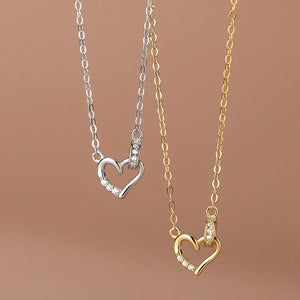
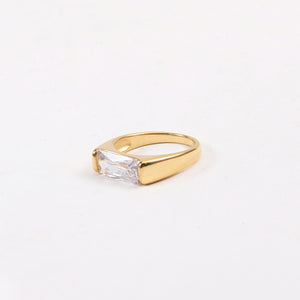
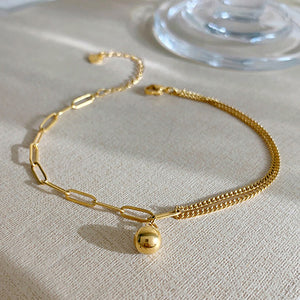
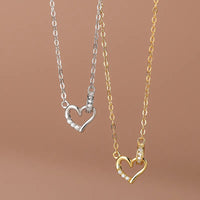
The piece they're describing → Kreis-Herz-Halskette für Damen – 18K vergoldet, filigrane Halskette zum Layern
Personalize Yours


