


Kurzantwort: Ein leicht verbogener Ring ohne Steine und ohne sichtbare Risse lässt sich oft zu Hause mit einem hölzernen Ringdorn (oder einem Nudelholz) und einem Leder- oder Gummihammer zurückformen — vorsichtig klopfen, häufig kontrollieren, niemals mit Gewalt vorgehen. Ein Ring mit Edelsteinen, einem Riss im Ringband oder einem filigranen Design sollte zu einem Juwelier gebracht werden. Bei vergoldeten oder Vermeil-Ringen kann aggressives Biegen die Plattierungsschicht zum Reißen bringen und das darunterliegende Grundmetall freilegen — ein separates Problem, das nichts mit der Verbiegung selbst zu tun hat.
TL;DR
- Schlichte, steinfreie Ringbänder lassen sich meist zu Hause mit einem Ringdorn und einem Hammer zurückformen
- Verwenden Sie niemals eine blanke Metallzange direkt am Ring — polstern Sie die Backen mit Stoff oder Leder
- Hören Sie sofort auf, wenn Sie einen Riss sehen oder fühlen — das Biegen eines rissigen Bandes lässt es brechen
- Ringe mit gefassten Steinen, Pavé oder Filigranarbeit gehören ausnahmslos zum Juwelier
- Bei vergoldeten und Vermeil-Ringen kann die Plattierungsschicht beim Biegen reißen, selbst wenn das Metall selbst intakt bleibt
- Eine professionelle Begradigung kostet in der Regel 20–60 $; das Nachlöten eines Risses kostet 50–150 $
Suchen Sie einen Ring, der zum Umformen gemacht ist, statt dadurch beschädigt zu werden?
Zum verstellbaren minimalistischen RingSie nehmen Ihren Ring in die Hand und etwas stimmt nicht — er liegt nicht mehr flach auf oder wirkt leicht oval statt rund. Ein verbogener Ring gehört zu den häufigsten Schmuckreparaturen überhaupt, und ob Sie ihn selbst reparieren können, hängt von drei Dingen ab: aus welchem Material er besteht, ob er Steine hat und wie stark die Verbiegung tatsächlich ist. Dieser Leitfaden zeigt Ihnen, wie Sie erkennen, mit welcher Art von Verbiegung Sie es zu tun haben, wie Sie eine einfache Verbiegung zu Hause zurückformen, wann Sie stattdessen zum Juwelier gehen sollten und was das kostet.
Warum Ringe überhaupt verbiegen
Die meisten verbogenen Ringe entstehen auf die gleiche Weise: Der Ringreif — der Bandteil, der sich um Ihren Finger legt — wird gegen etwas gedrückt, das härter ist als er selbst. Das Greifen einer Kurzhantel, das Hängenbleiben an einer Autotür oder das Tragen beim Kneten von Teig kann das alles auslösen. Dünne Ringbänder verbiegen sich leichter als dicke, und ein Ring, der etwas zu locker sitzt, hat mehr Spielraum, um sich zu verdrehen und irgendwo hängenzubleiben, als einer, der eng anliegt.
Die Metallart spielt eine größere Rolle, als die meisten erwarten. Sterlingsilber und 18-karätiges Gold sind beide weich genug, um sich ohne großen Kraftaufwand zu verbiegen. Titan und Wolframcarbid widerstehen dem Verbiegen — geben sie jedoch nach, brechen sie eher, als dass sie sich biegen, da sie spröde statt weich sind. Das ist ein grundlegend anderes Reparaturproblem.
Schritt eins: Finden Sie heraus, womit Sie es wirklich zu tun haben
Bevor Sie zu einem Werkzeug greifen, betrachten Sie den Ring genau bei gutem Licht. Drei Fragen entscheiden über alles Weitere:
- Gibt es einen Riss? Fahren Sie mit dem Fingernagel um das Band herum. Jede Linie, Lücke oder Stelle, an der sich das Metall nicht durchgehend anfühlt, bedeutet, dass das Band gerissen und nicht nur verbogen ist. Versuchen Sie in diesem Fall nicht, es zurückzuformen — das Biegen eines rissigen Bandes lässt es fast immer vollständig brechen.
- Hat er Steine? Ein schlichtes Band verbiegt sich vorhersehbar. Bei einem Ring mit gefassten Steinen, Pavé, Kanalfassung-Diamanten oder Filigranarbeit kann sich die Fassung verschieben, wenn sich der Ringreif bewegt — die Steine können sich lockern oder herausfallen, selbst wenn das Metall selbst unbeschadet bleibt.
- Wie stark weicht er von der runden Form ab? Ein Ring, der kaum oval ist — Sie können ihn noch überstreifen und er sieht fast rund aus —, ist nur leicht verbogen. Ein Ring, der sichtbar eingedrückt oder an einer Stelle geknickt ist oder nicht flach auf einem Tisch aufliegt, ist stärker verbogen und gehört eher in die Hände eines Juweliers.
Wenn Sie bei allen drei Punkten mit „kein Riss, keine Steine, leichte Verbiegung“ geantwortet haben, ist ein Zurückformen zu Hause vertretbar. In allen anderen Fällen springen Sie direkt zum Abschnitt über den Juwelier weiter unten.
So formen Sie einen einfach verbogenen Ring zu Hause zurück
Diese Methode eignet sich für schlichte, steinfreie Bänder aus Sterlingsilber, vergoldetem Metall oder weichem massivem Gold (10–18 Karat). Sie benötigen einen hölzernen Ringdorn (online für 10–15 $ erhältlich) oder, im Notfall, ein Nudelholz aus Holz oder einen glatten Holzdübel in etwa Ihrer Ringgröße — dazu einen Leder- oder Gummihammer. Ein Metallhammer hinterlässt Dellen im Ring — verwenden Sie keinen.
- Schieben Sie den Ring auf den Ringdorn oder Dübel, an die Stelle, an der die Verjüngung Ihrer Ringgröße entspricht, sodass er eng, aber nicht verklemmt sitzt.
- Klopfen Sie vorsichtig und gleichmäßig mit dem Hammer rings um das Band, wobei Sie den Ring zwischen den Schlägen leicht drehen. Arbeiten Sie mit kurzen, leichten Schlägen — nicht mit einem einzigen harten Schlag.
- Kontrollieren Sie häufig die Rundheit, indem Sie den Ring abziehen und ihn von der Seite und von oben betrachten. Schieben Sie ihn zurück und arbeiten Sie nur an den Stellen weiter, die noch uneben wirken.
- Hören Sie auf, sobald er rund aussieht, auch wenn er nicht mathematisch perfekt ist. Zu häufiges Klopfen dünnt das Metall aus und kann an einer anderen Stelle eine neue Verbiegung verursachen.
Wenn Sie keinen Ringdorn haben, eignet sich für sehr leichte Verbiegungen auch ein rundes Stiftgehäuse oder der Griff eines Holzlöffels — das Ziel ist eine harte, glatte, abgerundete Oberfläche, niemals eine Metallkante.
Was Sie nicht tun sollten: Der Zangen-Fehler
Spitz- oder Flachzangen scheinen das naheliegende Werkzeug zu sein, sind aber der schnellste Weg, die Sache zu verschlimmern. Blanke Metallbacken greifen ungleichmäßig zu und hinterlassen flache Dellen oder Kratzspuren, die ein Hammer niemals verursachen würde. Wenn Sie eine Zange verwenden müssen — etwa bei einem sehr lokal begrenzten Knick, den ein Ringdorn nicht erreicht —, polstern Sie zunächst beide Backen mit einem gefalteten Stoff oder einem Lederrest und drücken Sie in kurzen Schritten, wobei Sie nach jedem Schritt die Form kontrollieren. Verwenden Sie niemals eine Zange bei einem Ring mit Steinen — der Druck überträgt sich direkt auf die Fassung.
Das Plattierungsproblem: Warum vergoldete Ringe besondere Vorsicht erfordern
Hier ist etwas, das keiner der Reparaturratgeber für feinen Schmuck erwähnt: Bei einem vergoldeten oder Vermeil-Ring ist die Goldschicht nur 0,5–2,5 Mikrometer dick und liegt auf einem anderen Grundmetall auf. Wenn Sie das Grundmetall umformen, biegt sich diese Beschichtung mit — und eine Plattierung dehnt sich nicht so wie massives Gold. Wiederholtes oder aggressives Biegen — besonders mit ungepolsterten Zangen — kann die Plattierung genau an der Biegestelle zum Reißen oder Abplatzen bringen und eine matte oder silberfarbene Linie hinterlassen, selbst nachdem die Form korrigiert wurde.
Die Lösung ist dieselbe Technik, nur sanfter: Verwenden Sie wann immer möglich einen Ringdorn und Hammer statt einer Zange, klopfen Sie leicht, und hören Sie auf, sobald der Ring gerade aussieht, statt eine perfekte Form zu erzwingen. Reißt die Plattierung tatsächlich an der Biegestelle, handelt es sich um eine Neubeschichtung, nicht um ein Zurückformen — in unserem Leitfaden zu wie Plattierung funktioniert und was eine Neubeschichtung kostet erfahren Sie, was diese Reparatur normalerweise beinhaltet.
Wann Sie aufhören und einen Juwelier aufsuchen sollten
Bringen Sie den Ring zu einem Fachmann, anstatt eine Reparatur zu Hause zu versuchen, wenn eines der folgenden Kriterien zutrifft:
- Sie sehen oder fühlen einen Riss, eine Lücke oder einen Spalt im Metall
- Der Ring hat gefasste Steine — Krappen-, Zargen-, Pavé- oder Kanalfassung
- Das Design enthält Filigranarbeit, Gravuren oder feine dekorative Ausschnitte, die sich verformen könnten
- Die Verbiegung ist stark — sichtbar eingedrückt, geknickt oder liegt nicht flach
- Er hat einen ideellen oder hohen Wert und Sie möchten kein Risiko eingehen
Ein Juwelier verwendet einen Metall-Ringdorn und eine kontrollierte Presse oder speziell für Ringreifarbeiten entwickelte Zangen und kann das Metall vor dem Umformen auf Spannungsrisse untersuchen, die mit bloßem Auge nicht erkennbar sind. Bei rissigen Bändern wird der Bruch verlötet und verstärkt, bevor umgeformt wird — der Versuch, einen rissigen Ring ohne vorheriges Löten zurückzuformen, führt fast immer dazu, dass der Riss vollständig durchbricht.
Was eine professionelle Ringreparatur kostet
| Reparaturart | Typische Kosten | Bearbeitungszeit |
|---|---|---|
| Einfaches Zurückformen (keine Steine, kein Riss) | 20–60 $ | Gleicher Tag–3 Tage |
| Zurückformen mit Nachfassen der Steine | 40–100 $ | 2–5 Tage |
| Löten eines rissigen Ringreifs | 50–150 $ | 3–7 Tage |
| Neubeschichtung nach gerissener Plattierung | 50–150 $ | 3–7 Tage |
Die Preise variieren je nach Region und Komplexität des Stücks — ein schlichtes Band ist günstiger zu reparieren als eines mit Filigranarbeit oder Cluster-Fassung.
So verhindern Sie es beim nächsten Mal
Wenn das eigentliche Problem Ihres Rings die Größe und nicht die Form ist — er sitzt zu locker und verrutscht, was häufig überhaupt erst dazu führt, dass er irgendwo hängenbleibt und sich verbiegt —, lesen Sie unseren Leitfaden zu wie viel eine Ringgrößenänderung kostet für reale Preise nach Metall. Ist das Gegenteil der Fall — der Ring sitzt vorübergehend fest, statt verbogen oder falsch dimensioniert zu sein, meist durch geschwollene Finger —, wird Biegen oder Ziehen die Sache nur verschlimmern; lesen Sie stattdessen wie man einen festsitzenden Ring entfernt für die sicheren Methoden.
Die häufigste Ursache für einen verbogenen Ring ist ein Ringreif, der zu dünn dafür ist, wie Sie Ihre Hände tatsächlich nutzen — das Greifen von Geräten, Gartenarbeit, Heben oder handwerkliche Tätigkeiten setzen ein dünnes Band wiederholt unter Druck. Verbiegt sich ein Ring immer wieder an derselben Stelle, ist das ein Zeichen dafür, dass das Band zu dünn für Ihren Lebensstil ist — nicht, dass Sie unachtsam sind. Ein etwas dickeres Band oder ein Ring, den Sie für handwerkliche Aufgaben abnehmen, löst das wiederkehrende Problem besser als ständiges Zurückformen.
Ein verstellbarer, offener Ring umgeht das Problem auf andere Weise: Er ist so konzipiert, dass er sich als Teil der normalen Größenanpassung von Hand biegen und umformen lässt — eine Formveränderung ist dabei kein Schaden, sondern einfach eine Größenanpassung. Das ist eine strukturell andere Kategorie als ein verlötetes, geschlossenes Band, das für eine exakte Form gebaut ist und sich überhaupt nicht biegen soll.
Häufig gestellte Fragen
Kann man einen verbogenen Ring selbst geraderichten?
Ja, wenn es sich um ein schlichtes Band ohne Steine, ohne Risse und mit nur einer leichten Verbiegung handelt. Verwenden Sie einen hölzernen Ringdorn oder Dübel und einen Leder- oder Gummihammer, klopfen Sie vorsichtig und kontrollieren Sie häufig die Form. Hören Sie auf, sobald er wieder rund aussieht.
Repariert ein Juwelier einen verbogenen Ring?
Ja — das gehört zu den routinemäßigsten Reparaturen, die Juweliere durchführen. Sie verwenden einen Metall-Ringdorn und kontrollierte Werkzeuge und können vor dem Umformen auf verborgene Spannungsrisse prüfen, was bei allem, was über eine leichte Verbiegung hinausgeht, sicherer ist als eine Reparatur zu Hause.
Wie kann ich meinen Ring ohne Ringdorn geraderichten?
Ein glatter Holzdübel, der Griff eines Holzlöffels oder ein rundes Stiftgehäuse in etwa Ihrer Ringgröße können bei sehr leichten Verbiegungen als Ersatz dienen. Die Oberfläche muss hart, glatt und abgerundet sein — niemals eine Metallkante und niemals blanke Zangenbacken.
Ist es sicher, eine Zange bei einem verbogenen Ring zu verwenden?
Nur, wenn Sie die Backen zuvor mit Stoff oder Leder polstern, und nur bei einem schlichten Band ohne Steine. Blanke Metallzangen hinterlassen flache Dellen und Kratzer, und jeder direkte Druck auf einen Ring mit gefassten Steinen kann diese lockern oder herauslösen.
Kann ein vergoldeter Ring beim Zurückbiegen reißen?
Die Plattierungsschicht kann an der Biegestelle reißen oder abplatzen, selbst wenn das darunterliegende Grundmetall intakt bleibt. Das ist ein separates Problem, das nichts mit der Form zu tun hat — die Lösung ist ein sanfter Umgang mit Ringdorn und Hammer statt einer Zange, und falls die Plattierung tatsächlich reißt, ist eine Neubeschichtung nötig, nicht nur ein Zurückformen.
Wie viel kostet es, einen verbogenen Ring zu reparieren?
Ein einfaches Zurückformen ohne Steine und ohne Riss kostet bei einem Juwelier in der Regel 20–60 $. Kommt das Nachfassen von Steinen hinzu, liegt der Preis eher bei 40–100 $. Ein rissiges Band, das vor dem Umformen gelötet werden muss, kostet 50–150 $.
Warum verbiegt sich mein Ring immer wieder an derselben Stelle?
Meist, weil das Band zu dünn dafür ist, wie Sie Ihre Hände im Alltag benutzen — das Greifen von Geräten, handwerkliche Arbeit oder Gartenarbeit setzen dieselbe Stelle wiederholt unter Druck. Eine wiederkehrende Verbiegung ist ein Zeichen dafür, ein dickeres Band zu wählen oder den Ring bei handwerklichen Aufgaben abzunehmen — nicht, dass Sie etwas falsch machen.
Sollte ich einen Ring mit Stein zurückbiegen?
Nein. Jeder Druck auf einen Ringreif mit Krappen-, Pavé-, Zargen- oder Kanalfassung überträgt sich direkt auf die Fassung des Steins und kann ihn lockern, absplittern lassen oder vollständig herauslösen. Bringen Sie Ringe mit gefassten Steinen selbst bei einer leichten Verbiegung zu einem Juwelier.
Fazit
Ein verbogener Ring ist so gut wie nie ein Notfall — aber er ist ein Entscheidungspunkt. Schlichte, steinfreie Bänder ohne Risse lassen sich mit den richtigen Werkzeugen und einer sanften Hand tatsächlich sicher zu Hause zurückformen. Bei allem mit Steinen, einem Riss oder feinen Details lohnen sich die 20–60 $, die es kostet, es fachgerecht von einem Juwelier erledigen zu lassen, da eine überstürzte Reparatur weitaus teurer zu korrigieren sein kann.
Suchen Sie einen Ring, der das Umformen von Natur aus verträgt?
Zum verstellbaren minimalistischen RingPassend zu diesem Ratgeber
Verstellbarer minimalistischer Ring — 925er Sterlingsilber, gold- oder rhodiniert
Geschrieben vom AJLuxe-Team — Spezialisten für personalisierten Schmuck aus Sterlingsilber und vergoldetem Metall. Zuletzt aktualisiert: Juli 2026. Quellen: GIA Gem Education, Jewelers of America.
Alle Marken, Markennamen und Produktnamen Dritter sind Eigentum ihrer jeweiligen Inhaber. AJLuxe steht in keiner Verbindung zu den in diesem Artikel genannten Marken Dritter und wird von diesen weder unterstützt noch gesponsert. Markennamen werden ausschließlich zur sachlichen vergleichenden Bezugnahme verwendet; Materialangaben entsprechen den eigenen veröffentlichten Produktangaben der jeweiligen Marke zum Zeitpunkt der Erstellung.
You Might Also Like
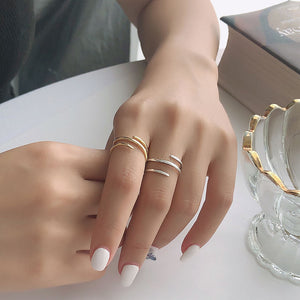
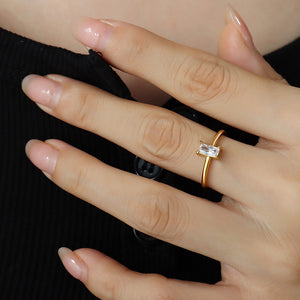

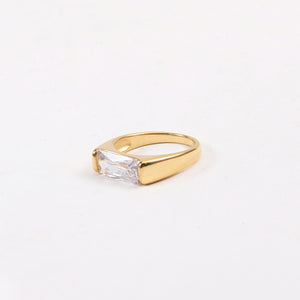
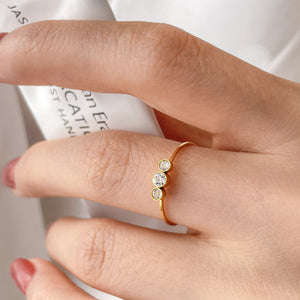
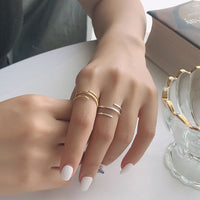
The piece they're describing → Verstellbarer minimalistischer Ring für Frauen — 925er Sterlingsilber, vergoldet oder rhodiniert
Personalize Yours


