


Kurzantwort: Eine Ringgrößenänderung kostet 20–300 $, je nach Metall und Größenänderung. Silberringe kosten 20–60 $, Goldringe 30–120 $ und Platin 50–200 $+. Einen Ring kleiner machen ist meist günstiger als ihn größer machen, da beim Größermachen Metall hinzugefügt statt nur entfernt werden muss. Ringe mit Pavé-Steinen, Eternity-Bändern oder aufwendiger Gravur kosten mehr — manchmal 150–300 $+ —, weil der Juwelier die Fassung während des Prozesses schützen muss.
- Durchschnittliche Kosten für eine Ringgrößenänderung: 20–300 $, die meisten Ringe liegen zwischen 40–90 $
- Kleiner machen ist fast immer günstiger als größer machen
- Silber ist das günstigste Metall für die Größenänderung; Platin das teuerste
- Ringe mit Pavé-, Halo- oder Eternity-Fassungen kosten 2–3x mehr für eine sichere Größenänderung
- Die meisten Größenänderungen dauern 1–3 Werktage bei einfachen Ringen, 1–2 Wochen bei Steinfassungen
- Manche Ringe — Eternity-Bänder, Spannringe, manche Wolfram-/Tungstenringe — können gar nicht geändert werden
- Ein verstellbarer Ring spart die Kosten der Größenänderung komplett, wenn sich Ihre Größe verändert
Eine Ringgrößenänderung kostet 20 bis 300 $, und der Betrag, den Sie tatsächlich zahlen, hängt von drei Dingen ab: aus welchem Metall Ihr Ring besteht, ob Sie ihn größer oder kleiner machen lassen, und wie aufwendig die Fassung ist. Ein schlichter Sterlingsilberring kann 20 $ kosten. Ein Platin-Eternity-Ring mit Pavé-Diamanten kann 250 $ oder mehr kosten. Dieser Leitfaden schlüsselt reale Preise nach Metall und Situation auf – und zeigt, wann eine Größenänderung nicht Ihre einzige Option ist.
Wie viel kostet eine Ringgrößenänderung wirklich?
Die meisten Juweliere berechnen nach Metall und Arbeitsaufwand, nicht nach Pauschalpreis. Hier sehen Sie, was Sie bei den gängigsten Ringmaterialien erwarten können.
| Metall | Kleiner machen | Größer machen | Mit Steinen/Fassung |
|---|---|---|---|
| 925er Sterlingsilber | 20–40 $ | 30–60 $ | 50–100 $ |
| 10–14 Karat Gold | 30–60 $ | 50–100 $ | 100–180 $ |
| 18 Karat Gold | 40–70 $ | 60–120 $ | 120–220 $ |
| Platin | 50–90 $ | 80–200 $ | 150–300 $+ |
| Goldplattiert / Vermeil | Meist nicht empfohlen | Meist nicht empfohlen | Plattierung kann an der Lötstelle reißen oder abgetragen werden |
Goldplattierte Ringe und Vermeil sind die eine Kategorie, die die meisten Ratgeber komplett übergehen. Größenänderung bedeutet, das Band zu durchtrennen und neu zu verlöten – und diese Hitze kann die dünne Plattierungsschicht genau an der Naht durchbrennen und eine sichtbare blanke Metalllinie hinterlassen. Wenn Ihr Ring plattiert statt massiv ist, fragen Sie Ihren Juwelier direkt, ob sich die Größenänderung angesichts des Risikos lohnt, bevor Sie dafür bezahlen.
Ist es günstiger, einen Ring größer oder kleiner machen zu lassen?
Ja — kleiner machen ist fast immer günstiger als größer machen. Hier der eigentliche Grund, den die meisten Artikel übergehen: Kleiner machen bedeutet, ein kleines Stück des Bands herauszuschneiden und die Enden wieder zusammenzulöten. Größer machen bedeutet, dass der Juwelier neues Metall hinzufügen, das bestehende Band auf einem Ringdorn dehnen muss, oder beides. Metall hinzuzufügen kostet in Material und Arbeit mehr als es zu entfernen.
Als Faustregel: Ein Ring um 1–2 Größen größer oder kleiner zu machen ist bei einem schlichten Band die günstigste Arbeit für einen Juwelier. Ab 3 Größen oder mehr wird das Metall stärker beansprucht und benötigt möglicherweise aggressiveres Dehnen oder eine zweistufige Änderung, was den Preis erhöht.
Warum Ringe mit Steinen mehr für die Größenänderung kosten
Ein Juwelier, der einen Ring mit Pavé-, Halo- oder Kanalfassung ändert, muss jeden Stein während des Prozesses vor Hitze und Vibration schützen. Das ist die größte Lücke in den meisten Ratgebern zur Ringgrößenänderung – sie erwähnen „Steinfassungen kosten mehr“, erklären aber nicht, warum.
- Pavé und Micro-Pavé: Winzige Steine werden von so kleinen Krallen gehalten, dass die Hitze beim Neuverlöten sie lockern kann. Juweliere entfernen und fassen Steine in der Nähe der Änderungsstelle oft neu, was zusätzliche Arbeit bedeutet.
- Eternity-Bänder: Steine ziehen sich rund um das gesamte Band, sodass kein schlichter Metallabschnitt zum Schneiden und Ändern übrig bleibt. Viele Eternity-Bänder können tatsächlich gar nicht geändert werden – siehe unten.
- Halo-Fassungen: Der Mittelstein sitzt nah am Ringband. Eine Änderung in der Nähe eines Halos riskiert, die Ausrichtung des Halos zu verschieben, daher berechnen Juweliere zusätzlich für die Nachkontrolle und das Nachziehen nach der Änderung.
Ringe, die nicht geändert werden können
Nicht jeder Ring kann diesen Prozess durchlaufen, unabhängig vom Budget. Verzichten Sie ganz auf eine Größenänderung und erwägen Sie eine Alternative, wenn Ihr Ring in eine dieser Kategorien fällt:
- Vollständige Eternity-Bänder — Steine umlaufen das gesamte Band ohne schlichten Metallabschnitt zum Schneiden
- Spannringe — der Stein wird durch die Eigenspannung des Metalls gehalten; das Durchtrennen des Bandes löst diese Spannung und kann den Stein herausspringen lassen
- Wolfram- und Keramikringe — diese Metalle können mit üblichem Juwelierwerkzeug nicht geschnitten, gedehnt oder verlötet werden; manche Wolframring-Hersteller bieten stattdessen Umtauschprogramme an
- Ringe mit Inlays (Holz, Opal, Meteorit) — Hitze bei der Größenänderung kann das Inlay-Material rissig machen oder verfärben
- Extrem dünne oder abgenutzte Bänder — ein Band, das bereits ein- oder zweimal geändert wurde, oder über Jahrzehnte dünn getragen wurde, hat möglicherweise nicht mehr genug Metall, um sicher erneut geschnitten zu werden
Größenänderung ist nicht die einzige Ringreparatur, die Juweliere regelmäßig durchführen. Wenn Ihr Ring verformt statt falsch groß ist – verbogen, weil er irgendwo hängen blieb oder zu fest gedrückt wurde –, sehen Sie unseren Leitfaden wie man einen verbogenen Ring repariert für das, was Sie sicher selbst richten können und wann Sie besser zum Juwelier gehen. Und wenn Ihr Ring gar nicht die falsche Größe hat, sondern nur vorübergehend an einem geschwollenen Finger festsitzt, ist eine Größenänderung die falsche Lösung – sehen Sie wie man einen festsitzenden Ring entfernt für die Methoden mit Hochlagern, Gleitmittel und Zahnseide, die die meisten festsitzenden Ringe in Minuten lösen.
Größenänderung ganz vermeiden: die verstellbare Ring-Option
Wenn Ihre Fingergröße mit Temperatur, Tageszeit oder Jahreszeit schwankt – was völlig normal ist, Finger können durch Schwellungen um eine halbe Größe variieren –, löst eine feste Größenänderung das heutige Problem, aber nicht das des nächsten Monats. Das ist die Lücke, die fast jeder Artikel zur Ringgrößenänderung übersieht: Sie erklären die Kosten der Änderung, erwähnen aber nie, dass Sie sie komplett umgehen können.

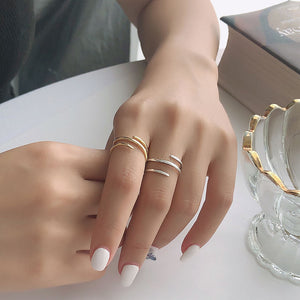
Ein verstellbarer Ring, wie unser 925er Sterlingsilber Verstellbarer Minimalistischer Ring, hat ein offenes Band, das sich flexibel an eine Reihe von Größen anpasst, ohne einen Besuch beim Juwelier. Das ist nicht die richtige Wahl für einen Ehering, den Sie dauerhaft in derselben Größe tragen, aber für Stapelringe, Geschenke, bei denen Sie die genaue Größe nicht kennen, oder einen Ring, den Sie zwischen Fingern wechseln möchten, erübrigt sich damit die ganze Frage der Größenänderungskosten. Wir werden ständig danach gefragt – es ist die einfachste Lösung für die Geschenkangst „Ich kenne die genaue Ringgröße nicht“.
Wie der Größenänderungsprozess tatsächlich abläuft
Die Schritte zu verstehen hilft, sowohl die Kosten als auch die Bearbeitungszeit zu erklären:
- Messung und Beurteilung — der Juwelier misst Ihre aktuelle und Zielgröße und prüft das Band auf Steine, Gravur oder dünne Stellen
- Durchtrennen des Bandes (kleiner machen) oder Hinzufügen eines Metallsegments (größer machen)
- Neuverlöten des Bandes an der Naht mit einem Brenner, danach glatt feilen
- Neuformen auf einem Ringdorn, um ein perfekt rundes Band wiederherzustellen
- Polieren, um den geänderten Abschnitt mit dem Rest des Bandes zu verschmelzen
- Nachkontrolle der Steine (falls zutreffend), um zu bestätigen, dass sich die Fassungen durch Hitze oder Vibration nicht gelockert haben
Wie lange dauert eine Ringgrößenänderung?
Ein schlichtes Gold- oder Silberband dauert bei einem lokalen Juwelier meist 1–3 Werktage. Ringe mit Steinen, komplexem Design oder großer Größenänderung dauern meist 3–7 Werktage. Muss Ihr Ring zu einem Hersteller versendet werden (üblich bei Marken-Verlobungsringen), rechnen Sie mit 1–2 Wochen. Fragen Sie vorab nach – Express-Größenänderung ist manchmal gegen Aufpreis verfügbar, wenn Sie ihn schnell zurückbrauchen.
Beschädigt eine Größenänderung einen Ring?
Korrekt von einem erfahrenen Juwelier durchgeführt, beschädigt eine Größenänderung einen Ring nicht. Das Risiko entsteht durch wiederholte Größenänderungen (jeder Schnitt entfernt eine kleine Menge Metall und macht das Band über die Jahre dünner) und durch Steinfassungen, die während des Hitzeprozesses nicht ausreichend geschützt wurden. Ein Ring kann in der Regel im Laufe seines Lebens 2–3 Mal sicher geändert werden, bevor das Band zu dünn zum erneuten Schneiden wird.
Wie Sie einen Juwelier für die Größenänderung auswählen
Stellen Sie vor der Beauftragung drei Fragen: Ändern sie die Größe im eigenen Haus oder schicken sie den Ring weg? (Im Haus ist schneller und sicherer bei Steinfassungen.) Prüfen und ziehen sie Steine im Rahmen des Preises nach, oder kostet das extra? Wie ist ihre Vorgehensweise, wenn bei der Änderung etwas schiefgeht? Ein Juwelier, der alle drei Fragen klar und selbstsicher beantwortet, ist einer, dem Sie ein Erbstück oder einen Verlobungsring anvertrauen können.
Häufig gestellte Fragen
Ist es günstiger, einen Ring größer oder kleiner machen zu lassen?
Kleiner machen ist günstiger. Es erfordert nur das Herausschneiden eines kleinen Metallabschnitts und das Zusammenlöten der Enden, während größer machen das Hinzufügen neuen Metalls und das Dehnen des Bandes erfordert – beides kostet mehr an Material und Arbeit.
Wie viel sollte eine Ringgrößenänderung kosten?
Die meisten Ringe kosten 20–120 $ für eine Größenänderung. Silberringe kosten 20–60 $, Goldringe 30–120 $ und Platin 50–200 $+. Ringe mit Pavé-, Halo- oder Eternity-Fassungen können 150–300 $ kosten wegen der zusätzlichen Sorgfalt, die zum Schutz der Steine nötig ist.
Kann ein Ring um mehrere Größen auf einmal geändert werden — zum Beispiel von Größe 7 auf Größe 10?
Ja, in den meisten Fällen, obwohl ein Sprung von 3 oder mehr Größen bei einem schlichten Band mehr Arbeit bedeutet als eine Änderung um 1–2 Größen und mehr kosten kann. Ringe mit Steinen oder aufwendigen Mustern haben eine niedrigere Grenze – fragen Sie Ihren Juwelier, ob ein großer Sprung bei Ihrem konkreten Ring sicher ist, bevor Sie sich festlegen.
Welche Ringe können nicht geändert werden?
Vollständige Eternity-Bänder, Spannringe, Wolfram- oder Keramikringe sowie Ringe mit Inlays wie Holz oder Opal können in der Regel nicht geändert werden. Extrem dünne oder bereits geänderte Bänder können ebenfalls zu zerbrechlich für einen erneuten Schnitt sein.
Ist die Größenänderung eines Rings riskant?
Es besteht ein gewisses Risiko, hauptsächlich für Steinfassungen durch Hitze und Vibration beim Neuverlöten. Ein Juwelier, der Steine im Rahmen der Arbeit prüft und nachzieht, minimiert dieses Risiko erheblich. Schlichte Bänder ohne Steine bergen sehr geringes Risiko.
Wie lange dauert eine Ringgrößenänderung?
Einfache Bänder dauern bei den meisten lokalen Juwelieren 1–3 Werktage. Ringe mit Steinen oder komplexem Design dauern 3–7 Werktage. Zu einem Hersteller versendete Ringe können 1–2 Wochen dauern.
Beschädigt eine Größenänderung einen Ring?
Nicht, wenn sie korrekt durchgeführt wird. Das Hauptrisiko auf lange Sicht ist, dass ein Band mit jeder Änderung leicht dünner wird, und die meisten Ringe können nur 2–3 Mal sicher geändert werden, bevor das Metall zu dünn zum erneuten Schneiden wird.
Können alle Ringe geändert werden?
Nein. Eternity-Bänder, Spannfassungen, Wolfram-/Keramikringe und Inlay-Ringe können meist nicht geändert werden. Ein Juwelier kann Ihnen innerhalb weniger Minuten sagen, ob Ihr konkreter Ring dafür infrage kommt.
Lohnt sich eine Ringgrößenänderung, oder sollte ich einfach einen neuen Ring kaufen?
Bei einem Ring, den Sie lieben und oft tragen, lohnt sich eine Größenänderung für 20–120 $ fast immer im Vergleich zum Ersatzkauf. Es macht finanziell nur bei sehr günstigen Ringen keinen Sinn mehr, wo eine Änderung für 100 $+ bei einem 40-$-Ring mehr kosten kann als der Kauf eines passend großen Ersatzes.
Was ist ein Ringspanner, und ersetzt er eine Größenänderung?
Ein Ringspanner ist eine kleine Klammer oder Spirale, die innen ins Band passt, um einen leicht zu großen Ring fest an Ort und Stelle zu halten, ohne das Metall zu schneiden. Das ist eine gute vorübergehende Lösung für einen Ring, der nur leicht locker sitzt, aber kein dauerhafter Ersatz für eine richtige Größenänderung bei einem Ring, der deutlich die falsche Größe hat.
Fazit
Eine Ringgrößenänderung kostet 20 bis 300 $, abhängig von Metall, Richtung der Änderung und ob Steine im Spiel sind – aber die Zahl, die für Ihren Ring am wichtigsten ist, ist die, die Ihnen Ihr Juwelier nennt, nachdem er ihn tatsächlich begutachtet hat. Wenn sich Ihre Größe mit der Jahreszeit verändert oder Sie einen Ring als Geschenk ohne bestätigte Größe kaufen, umgeht ein verstellbares Design die ganze Frage.
Diesen Ratgeber shoppen
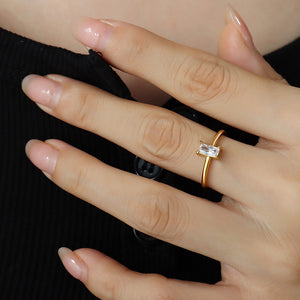
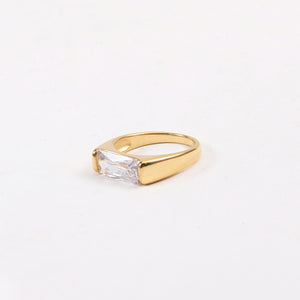
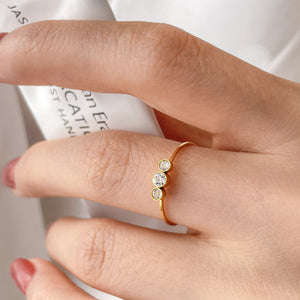
925er Sterlingsilber Verstellbarer Minimalistischer Ring — passt sich einer Reihe von Größen an, ganz ohne Juwelierbesuch, erhältlich in Gold- oder Rhodiumplattierung.
Alle Marken, Markennamen und Produktnamen Dritter sind Eigentum ihrer jeweiligen Inhaber. AJLuxe steht in keiner Verbindung zu den in diesem Artikel genannten Marken Dritter und wird von diesen weder unterstützt noch gesponsert. Markennamen werden ausschließlich zur sachlichen vergleichenden Bezugnahme verwendet; Materialangaben entsprechen den eigenen veröffentlichten Produktangaben der jeweiligen Marke zum Zeitpunkt der Erstellung.
You Might Also Like

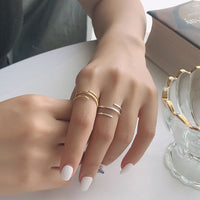
The piece they're describing → Verstellbarer minimalistischer Ring für Frauen — 925er Sterlingsilber, vergoldet oder rhodiniert
Personalize Yours


