


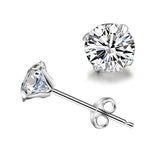
- Wipe with a soft, lint-free cloth after every wear — this alone handles most everyday dulling.
- Deeper clean: barely damp cloth, a drop of mild soap, work gently around each stone.
- Never fully submerge or soak a Swarovski piece — moisture can dull the foil backing behind a crystal.
- Skip ultrasonic and steam cleaners — the vibration can loosen a hand-set or foil-backed stone.
- Skip bleach, ammonia, and alcohol-based cleaners — they attack both plating and crystal coatings.
- Dry and buff with a soft cloth in small circular motions to bring the shine back.
Swarovski jewelry is built for sparkle, but that sparkle depends on details that don't show up until you're trying to clean the piece safely: most crystals sit in a foil-backed or adhesive-set mount rather than being cut and polished the way a diamond or gemstone is, and the metal setting around them is usually plated rather than solid. If you've already read about whether Swarovski jewelry tarnishes and what the metal is actually made of, this guide picks up the next question: the actual step-by-step way to clean a piece that's lost its shine, what to avoid, and how to bring the sparkle back without damaging the setting.
How to Clean Swarovski Jewelry, Step by Step
Cleaning Swarovski jewelry safely means keeping moisture brief and controlled rather than soaking the piece, since the foil or adhesive behind many crystals doesn't hold up well to standing water. Here's the routine that keeps both the metal and the stones intact:
- Wipe with a dry, soft, lint-free cloth first. A microfiber or jewelry-specific polishing cloth clears most everyday dullness from skin oils, lotion residue, and dust without introducing any moisture at all — do this after every wear if you can.
- For a deeper clean, dampen the cloth instead of soaking the piece. Mix a drop of mild, unscented soap into lukewarm water, dip just the corner of a soft cloth in it, and wring out any excess before touching the jewelry.
- Work gently around each stone, not into the setting. A small, soft-bristled brush (a clean makeup brush works well) can lift buildup from around a stone's edge, but keep the motion light and avoid pushing moisture up under the setting.
- Skip full immersion. Don't drop the piece in a bowl of water or hold it under a running tap — brief, controlled dampness on a cloth is different from prolonged water contact, which is what actually risks the foil backing and adhesive underneath a crystal.
- Rinse residue carefully, if needed. If soap residue is visible, wipe it away with a second cloth dampened in plain water rather than rinsing the piece directly under a faucet.
- Dry and buff immediately. Pat the piece completely dry with a clean, soft cloth, then buff gently in small circular motions to restore shine. Lingering moisture is what speeds up plating wear and dulling, so don't set it aside damp.

Can You Get Swarovski Jewelry Wet?
Brief, incidental contact with water usually won't ruin a Swarovski piece, but prolonged exposure — showering, swimming, or washing dishes with it on — is what causes real damage over time. Water that sits against a foil-backed crystal setting can work its way behind the foil and dull the reflective layer that gives the stone its brightness, and the same moisture speeds up wear on the plating underneath. Chlorinated pool water and hot tubs are worse than plain tap water, since chlorine is more aggressive on both plating and crystal coatings. The safest habit is the same one that protects any plated jewelry: put it on last, after showering and applying lotion or perfume, and take it off first before getting it wet.
What Not to Use on Swarovski Jewelry
Skip ultrasonic cleaners, steam cleaners, and any harsh chemical cleaner on a Swarovski piece — all three can do more damage than the dulling they're meant to fix. Ultrasonic cleaners work by vibrating a piece rapidly in a cleaning solution, and that vibration is exactly what can loosen a foil-backed or adhesive-set stone over repeated uses, even though it's a safe method for solid-set gemstones. Bleach, ammonia, and alcohol-based cleaners — including some store-bought jewelry-cleaning dips — are strong enough to strip plating and cloud a crystal's coating, so they're a poor match for anything but plain solid metal. A DIY baking-soda paste, a common trick for tarnished sterling silver, is also not a good fit here: it's mildly abrasive, and a Swarovski piece's plating and crystal coating are both thinner than solid metal, so the same scrub that's fine on a plain silver band can dull a Swarovski setting faster than expected.
How to Make Swarovski Jewelry Sparkle Again
Bringing sparkle back to a dulled Swarovski piece usually just means removing the buildup that's sitting on top of the crystal, not repairing the crystal itself. Most lost sparkle is caused by a thin film of lotion, soap residue, hairspray, or natural skin oil settling into the facets over weeks of wear, and that film scatters light instead of letting it bounce cleanly off the crystal's cut. Working through the damp-cloth routine above — with extra attention to gently brushing each stone's facets, not just the metal around it — clears most of that film and restores the shine within minutes. If a piece still looks dull after a careful cleaning, the sparkle loss is more likely coming from actual wear on the crystal's coating or the metal's plating, which cleaning can't reverse; at that point, it's worth deciding whether the piece is still worth wearing regularly or better saved for occasional use.
Does Swarovski Clean Jewelry In Store?
Swarovski doesn't prominently advertise a free, walk-in jewelry cleaning service on its own site the way some jewelry brands do — its published care guidance is built around at-home cleaning rather than an in-store visit. A Swarovski boutique may be willing to take a look at a piece in person, especially if it was purchased there, but that's not a guaranteed or published service to plan around. Treat the at-home routine above as the reliable default, and consider a boutique visit a bonus if one happens to be nearby.
How Often Should You Clean Swarovski Jewelry?
A quick dry-cloth wipe after every wear, plus a deeper damp-cloth clean every two to four weeks for pieces worn regularly, keeps most Swarovski jewelry looking close to new. Rings and bracelets pick up lotion, soap, and skin oil fastest since they're in constant contact with hands, so they benefit from the shorter end of that range; earrings and necklaces worn less often can typically go longer between cleanings. Cleaning less often than that isn't dangerous, but buildup that sits on a crystal's facets for months is harder to fully clear than buildup that's a week or two old.
If you like Swarovski's crystal-forward look but want a piece built on solid, tarnish-resistant metal instead of an unspecified plated base alloy, AJLuxe's CZ Stud Earrings ($22.99) pair a similar faceted sparkle with 925 sterling silver that's hypoallergenic and built for daily wear — an honest style alternative, not a claim that it skips the care routine above, since any faceted crystal jewelry benefits from the same gentle cleaning.
Frequently Asked Questions
How do you make Swarovski sparkle again?
Wipe the piece with a soft, lint-free cloth to clear the everyday film of lotion, soap, and skin oil that dulls facets, then do a light damp-cloth pass with mild soap for a deeper clean. Most lost sparkle is buildup sitting on top of the crystal rather than damage to the crystal itself, so a careful cleaning restores most of the shine.
How do I clean tarnished Swarovski jewelry at home?
Start with a dry, soft cloth, then move to a barely damp cloth with a drop of mild, unscented soap worked gently around the setting — never a soak. Rinse residue with a second damp cloth rather than running water, and dry and buff the piece immediately afterward.
Why does Swarovski jewelry tarnish?
It's the metal setting that tarnishes, not the crystal itself — Swarovski crystal is a type of engineered glass and doesn't corrode. The rhodium, gold-tone, or rose-gold-tone plating over the base-metal setting is what thins and discolors with exposure to water, sweat, and perfume over time.
Will water ruin Swarovski bracelets?
Brief, incidental water contact usually won't ruin a Swarovski bracelet, but prolonged exposure — showering, swimming, or washing dishes with it on — can dull the foil backing behind a crystal and speed up plating wear on the setting. Taking it off before water exposure is the safer habit.
Do Swarovski crystals tarnish?
No — the crystal itself is a form of lead-free glass and doesn't tarnish or corrode. What can happen instead is the foil backing behind a crystal dulling from moisture, or the crystal's facets losing brilliance under a film of soap, lotion, or skin oil buildup.
Do Swarovski crystals lose their sparkle?
Yes, over time and with heavy wear, though it's usually reversible with cleaning. Facet buildup from lotion and skin oil is the most common cause and clears with a careful damp-cloth cleaning; actual wear on a crystal's coating from years of daily contact is less common and not something cleaning can fix.
Can you clean Swarovski jewelry in an ultrasonic cleaner?
It's not recommended. The vibration from an ultrasonic bath can loosen a foil-backed or adhesive-set crystal over repeated uses, even though the same method is often fine for solid-set gemstones. A soft cloth and mild soap is the safer default for Swarovski's crystal settings.
Does Swarovski clean jewelry in store for free?
Not as an advertised, guaranteed service — Swarovski's published care guidance is built around at-home cleaning rather than a walk-in service. A boutique location may look at a piece in person, but it isn't something to count on.
Alle Marken, Markennamen und Produktnamen Dritter sind Eigentum ihrer jeweiligen Inhaber. AJLuxe steht in keiner Verbindung zu den in diesem Artikel genannten Marken Dritter und wird von diesen weder unterstützt noch gesponsert. Markennamen werden ausschließlich zur sachlichen vergleichenden Bezugnahme verwendet; Materialangaben entsprechen den eigenen veröffentlichten Produktangaben der jeweiligen Marke zum Zeitpunkt der Erstellung.
You Might Also Like
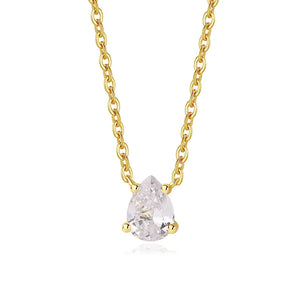
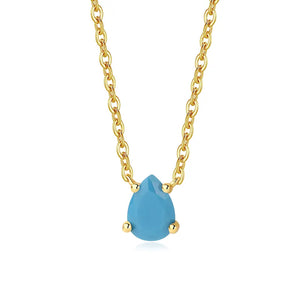
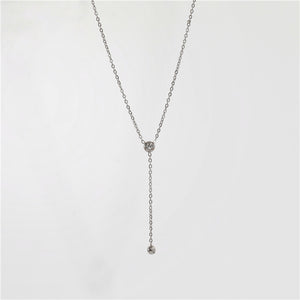
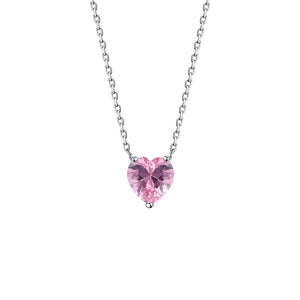
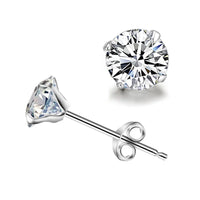
The piece they're describing → CZ Ohrstecker für Damen — 925 Sterling Silber, Zirkonia, Hypoallergen
Personalize Yours


