


- Rhodium is inert and won't tarnish — what wears is the ultra-thin plating layer, which eventually exposes the metal underneath.
- Once the layer thins, plated pieces typically look dull or slightly yellow, not tarnished, and rings wear fastest since they take the most daily friction.
- Rhodium plated jewelry doesn't turn green from the rhodium itself — green or dark skin marks almost always trace back to trapped moisture, soap residue, or a lower-quality alloy.
- You can shower briefly in rhodium plated silver, but chlorine, salt water, and long soaks in soap and steam speed up wear — take it off for swims and long baths.
- AJLuxe's rhodium-plated pieces are 925 sterling silver, hypoallergenic, and nickel-free, so skin reactions aren't the real downside — surface wear over time is.
- Wiping pieces dry after wear and storing them separately from harder metals and stones meaningfully extends how long the finish looks new.
If your rhodium-plated ring or necklace has started looking a little duller after a few months of daily wear, you're not imagining it — and you're probably not looking at tarnish in the classic sense. Tarnish is a chemical reaction; what's happening to rhodium-plated jewelry is almost always mechanical wear on a coating that was only ever meant to be a few microns thick. Here's the difference, what actually causes it, and how to keep the finish looking new for as long as possible.
What Does "Rhodium Plated" Mean on a Piece of Jewelry?
"Rhodium plated" means a piece — usually 925 sterling silver, sometimes gold — has an ultra-thin layer of rhodium, a hard, bright-white metal in the platinum family, electroplated over the base metal. The rhodium layer is what gives the piece its brilliant white shine and scratch resistance; it's applied in a layer so thin it's measured in fractions of a micron, which is exactly why it's durable against tarnish but not against years of friction. Underneath that layer is the actual base metal doing the structural work — which is why any honest description of a plated piece should always name that base metal rather than just calling it "silver" or "gold" outright.
Does Rhodium Plating Tarnish, or Does It Just Wear Off?
Rhodium plating doesn't tarnish — it wears off, and that distinction is the whole story. Tarnishing is a chemical reaction: silver, for example, darkens when it reacts with sulfur compounds in the air. Rhodium doesn't do that. Instead, everyday contact — skin oils, fabric, lotion, water — slowly abrades the plating layer down to nothing in the spots that get the most friction, usually the underside of a ring or the clasp area of a bracelet. Once that happens, what you're seeing isn't rhodium tarnishing; it's the base metal underneath becoming visible and behaving the way that metal naturally does.
How Long Does Rhodium Plated Jewelry Last?
Rhodium plating generally holds up well for several months to a couple of years of regular wear before it visibly thins, and how long depends heavily on how often the piece is worn and what it's exposed to. Rings wear out fastest because they take constant friction from hands, water, and daily tasks. Earrings and necklaces, which touch far less, typically hold their finish the longest. Skin chemistry and exposure to chlorine, saltwater, and heavy lotion or perfume use all shorten that window too.
What Are the Downsides of Rhodium Plating?
The main downside of rhodium plating is that it's a finish, not a permanent property, so it eventually needs redoing rather than lasting the life of the piece the way solid metal would. A few practical implications follow from that: polishing a worn plated piece at home can actually strip away more of the remaining layer instead of restoring it; pieces worn at different frequencies (a daily ring versus an occasional pair of earrings) can end up mismatched in tone over time; and because it's a coating, buyers should always know the real base metal underneath rather than assuming "rhodium plated" means solid rhodium or platinum.
Will Rhodium Plated Jewelry Turn Green?
Rhodium plated jewelry does not turn green from the rhodium itself, since rhodium doesn't oxidize or react with skin. Green or dark discoloration on skin almost always comes from something else — moisture and soap residue trapped under a ring, sweat sitting against the metal for hours, or a lower-quality alloy underneath a thin or worn plating layer. Sterling silver that's genuinely 925 and nickel-free, like AJLuxe's pieces, removes the most common cause of that reaction, which is why hypoallergenic, nickel-free construction matters more for skin comfort than the plating itself.
Can You Shower With Rhodium Plated Silver?
Yes, you can shower briefly in rhodium plated silver without ruining it instantly, but it's not the best habit for the long run. Hot water, steam, and soap residue all accelerate wear on the plating layer, and chlorinated or salt water is worse still. The safest routine is to take plated pieces off before long showers, baths, swimming, and cleaning with harsh chemicals, and only wear them once you're dry and done applying lotion, perfume, or hairspray.
Rhodium-Plated Sterling Silver vs Unplated Silver vs Solid White Gold
Each of these behaves differently over time, and the right choice depends on how much upkeep you're willing to do versus how much you want to spend upfront.
| Factor | Rhodium-Plated Sterling Silver | Unplated Sterling Silver | Solid White Gold (no rhodium) |
|---|---|---|---|
| Tarnishes? | No — the rhodium layer is inert | Yes, oxidizes with air and skin chemistry | No, though it can look slightly warmer over time |
| What actually changes | Plating wears thin, base metal shows through | Surface darkens, needs regular polishing | Minimal change, alloy may mellow slightly |
| Upkeep | Occasional re-plating depending on wear | Regular polishing cloth use | Occasional professional polish |
| Typical price point | Most affordable | Most affordable | Highest cost |
| Best for | A bright white finish without the price of solid metal | Buyers who don't mind polishing for a classic silver look | Long-term wear with no plating to maintain |
How to Make Rhodium Plating Last Longer
The single biggest thing you can do is keep the plating away from water, chemicals, and friction whenever it's practical, since the layer only wears down through contact, not through age on its own.
- Take jewelry off before showering, swimming, or cleaning with anything containing chlorine or bleach.
- Put plated pieces on after applying perfume, lotion, and hairspray — never before.
- Wipe pieces with a soft microfiber cloth after wearing to remove oils and residue.
- Store rhodium-plated pieces separately in a soft pouch or lined box rather than loose in a drawer with harder stones or metal that can scratch the plating.
- Avoid direct abrasion from gym equipment, tight gloves, and rough fabric where possible.
18K gold plating option
Nickel-free, safe for daily wear
Boxed, no extra charge
Insured shipping, easy returns
Is Rhodium Plated Jewelry Still Worth Buying?
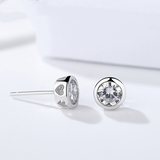
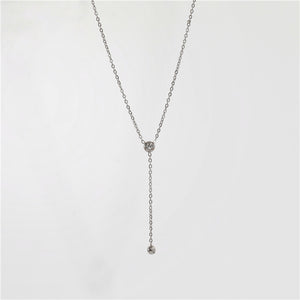
Yes — rhodium plated jewelry is worth buying if you want a bright, hypoallergenic white-metal look at an accessible price and you're fine with an occasional touch-up down the line, rather than paying solid platinum or white gold prices for a finish that looks identical day to day. Earrings and necklaces are the smartest starting point since they take the least friction and hold their shine the longest — AJLuxe's Round Zircon Stud Earrings ($25.99) are 925 sterling silver, rhodium plated, and nickel-free, making them an easy, low-wear-and-tear way to try the finish. If you want a statement piece instead, the closest match in the same finish is the CZ Y Necklace ($28.99), also 925 sterling silver and rhodium plated.

For more on how precious-metal finishes and plating are defined industry-wide, see GIA's jewelry education resources: https://www.gia.edu.
Frequently Asked Questions
How long does rhodium plated jewelry last?
Rhodium plating typically holds up for several months to a couple of years of regular wear before it visibly thins, with rings wearing fastest and earrings or necklaces lasting longest since they get less friction.
Can you shower with rhodium plated silver?
You can shower briefly without immediate damage, but soap, steam, and hot water accelerate wear on the plating over time, so it's best to remove plated pieces for long showers, baths, and swimming.
What are the downsides of rhodium plating?
The main downside is that it's a coating rather than a permanent property, so it eventually thins and needs re-plating, can wear unevenly across pieces used at different frequencies, and shouldn't be mistaken for solid rhodium or platinum underneath.
Will rhodium plated jewelry turn green?
Rhodium itself won't turn green or react with skin; green or dark marks usually come from trapped moisture, soap residue, or a lower-quality alloy underneath, not from the rhodium layer.
Is rhodium-plated jewelry hypoallergenic?
Rhodium plating itself is generally well tolerated by sensitive skin, and when it sits over genuine nickel-free 925 sterling silver, like AJLuxe's pieces, the combination is hypoallergenic for the vast majority of wearers.
Can rhodium plating be reapplied once it wears off?
Yes, a jeweler can strip and re-plate a piece once the rhodium layer has worn through, though it's a service you'll need to seek out rather than something you can do at home with polishing.
Wondering how rhodium-plated pieces stack up against plain sterling silver? See our rhodium-plated vs sterling silver comparison.
Alle Marken, Markennamen und Produktnamen Dritter sind Eigentum ihrer jeweiligen Inhaber. AJLuxe steht in keiner Verbindung zu den in diesem Artikel genannten Marken Dritter und wird von diesen weder unterstützt noch gesponsert. Markennamen werden ausschließlich zur sachlichen vergleichenden Bezugnahme verwendet; Materialangaben entsprechen den eigenen veröffentlichten Produktangaben der jeweiligen Marke zum Zeitpunkt der Erstellung.
You Might Also Like
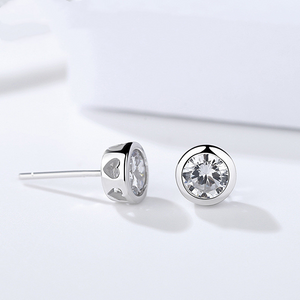
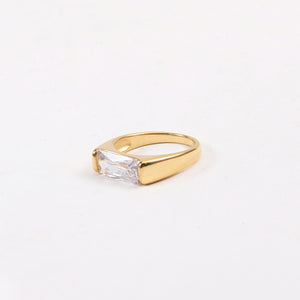
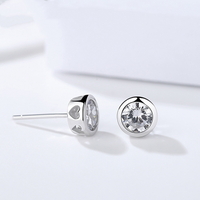
The piece they're describing → Runde Zirkonia Ohrstecker für Damen – 925 Sterling Silber, rhodiniert
Personalize Yours


