


- Elastic/stretch cord (0.7mm-1mm) is easiest for beginners and needs no clasp, but loosens after 1-2 years of daily wear
- Nylon beading cord (C-Lon, S-Lon) in 0.5mm-0.9mm is the standard for knotting between beads on gemstone strands
- Beading wire (tigertail or 49-strand Accu-Flex) is the sturdiest option for heavy stone, crystal, or metal beads finished with crimps
- Braided thread (Fireline, PowerPro) is built for seed bead weaving and stitched beadwork, not simple strung bracelets
- Always size your cord to the smallest bead hole in the batch, not the average — one tight hole will stop a strand cold
- Leather or waxed cotton cord suits large-hole wood, lava, or ceramic beads and rustic, boho-style designs
Walk into any bead shop or scroll a beading forum and you'll find five different answers to "what cord should I use," because there isn't one correct cord — there's a correct cord for your specific beads. A stretch bracelet made from tiny 4mm crystals needs a completely different material than a chunky lava-and-wood mala strung on a clasp. This guide breaks down every real option by what it's actually good for, how to size it, and which one to grab for your next project.
What Is the Best Cord for Beaded Bracelets?
There's no single best cord — the right pick depends on whether you want a no-clasp stretch fit or a clasped, structured bracelet, and how heavy your beads are. For a slip-on stretch bracelet, 0.8mm elastic cord is standard. For a clasped bracelet with stone, glass, or metal beads, 0.012-0.014 inch (7 to 19-strand) beading wire finished with crimp beads is the most durable choice. For seed bead or delicate glass bead designs strung with knots between beads, 0.5mm to 0.7mm nylon cord like C-Lon or S-Lon is the go-to.
Types of Cord for Beaded Bracelets
Here's how the six most common stringing materials stack up against each other.
| Cord Type | Best For | Typical Diameter | Clasp Needed? |
|---|---|---|---|
| Elastic/stretch cord | Light glass, acrylic, and small gemstone beads; kids' bracelets | 0.7mm-1mm | No |
| Nylon beading cord (C-Lon, S-Lon) | Knotted gemstone strands, pearls, delicate glass beads | 0.5mm-0.9mm | Yes |
| Beading wire (tigertail, Accu-Flex) | Heavy stone, crystal, or metal beads; crimp-finished designs | 0.012-0.024 inch | Yes |
| Braided thread (Fireline, PowerPro) | Seed bead weaving, peyote and brick stitch, bead embroidery | 6lb-10lb test | Varies |
| Waxed cotton/linen cord | Large-hole wood, ceramic, and lava beads; macrame-style knotting | 1mm-2mm | Optional (sliding knot) |
| Leather cord | Boho and rustic styles, large-hole beads, single focal beads | 1mm-3mm | Optional (sliding knot) |
Elastic/Stretch Cord
Elastic cord is the easiest cord for a beginner because it requires no clasp, no crimping tool, and no knotting skill — you string the beads, tie a secure knot, and it's done. It works best with lightweight glass, acrylic, wood, or small semi-precious chip beads under about 8mm. The tradeoff is longevity: everyday stretching and skin oils break down the elastic fibers over time, so a well-loved stretch bracelet typically needs restringing every one to two years.
Nylon Beading Cord (C-Lon, S-Lon)
Nylon beading cord is the standard choice when you're knotting between each bead, which is why it's the go-to for pearl strands and gemstone chip bracelets. It's strong for its thinness, holds a knot without slipping once you've used a drop of glue, and comes pre-waxed in most brands so it glides through small holes without fraying.
Beading Wire (Tigertail, Accu-Flex, Beadalon)
Beading wire is the sturdiest option for heavy or sharp-holed beads like faceted crystal, raw stone, or metal spacers, because it's actually dozens of fine steel wires braided together and nylon-coated rather than a single soft strand. Higher strand counts (19 or 49-strand) drape softer and resist kinking better than cheaper 7-strand tigertail. It's finished with crimp beads and a clasp, not knots.
Braided Beading Thread (Fireline, PowerPro)
Braided thread is built for seed bead weaving and off-loom stitching like peyote, brick stitch, or bead embroidery, not for a simple strung bracelet. It's rated in fishing-line pound test rather than millimeters, and its main advantage — resistance to fraying under repeated needle passes — only matters if your project involves stitching through the same bead multiple times.
Waxed Cotton/Linen Cord
Waxed cotton or linen cord suits beads with large drilled holes, like wood, ceramic, or lava rock, where thin wire or nylon would look flimsy or leave the bead sliding around. It also takes a sliding adjustable knot well, which is why it's common in men's and boho bracelet styles that don't use a metal clasp at all.
Leather Cord
Leather cord is chosen for its look as much as its function, giving a bracelet a rustic, earthy finish that pairs well with a single large focal bead or a few oversized stone beads spaced along the length. It holds up well to daily wear but isn't the right pick for anything with small, tightly clustered beads since it doesn't thread through narrow holes cleanly.
What Size Cord Do You Need for Beads?
The cord size you need is determined by the smallest bead hole in your project, not the average — pick a cord that passes through that hole with a little room to spare, since a too-tight fit will fray the cord and a too-loose fit lets beads sag and rattle.

| Bead Hole Diameter | Recommended Cord Size | Example Beads |
|---|---|---|
| Under 0.8mm | 0.012 inch wire or 0.4mm nylon | Seed beads, small crystals |
| 0.8mm-1.2mm | 0.014-0.018 inch wire or 0.6mm nylon | 4-6mm crystal, glass, small gemstone rounds |
| 1.2mm-2mm | 0.019-0.024 inch wire or 0.8mm-1mm elastic | 8-10mm gemstone rounds, pearls |
| Over 2mm | 1mm-2mm leather or waxed cotton | Wood, lava, ceramic, large focal beads |
What Kind of Wire Is Best for Beaded Bracelets?
Nylon-coated, multi-strand beading wire — like 49-strand Accu-Flex or Beadalon — is the best wire for beaded bracelets because the higher strand count makes it flexible and kink-resistant while still strong enough to support crimp-bead finishes on heavy stone or crystal beads. Cheaper 7-strand tigertail wire is stiffer and more prone to kinking permanently if bent, so it's better suited to stiff, structured designs like memory-wire bracelets than to a soft, drapey strand.
How to Choose Cord Based on Bead Type
Match the cord to the bead, not the other way around — trying to force one cord type across every project is where most bracelets fail early.
- Seed beads: braided thread (Fireline) or fine C-Lon, since these projects usually involve weaving or dense knotting
- Gemstone chips and rondelles: nylon beading cord, knotted between beads to keep spacing even and prevent chips from rubbing each other down
- Faceted crystal or glass: beading wire, because sharp-edged facets can saw through soft nylon or elastic over time
- Heavy stone or lava beads: higher-strand beading wire or waxed cotton, depending on hole size
- Pearls: silk or fine nylon cord, knotted between each pearl to protect the nacre from friction
Which Cord Should You Choose for Your Bracelet?
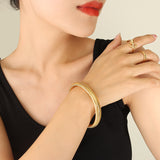
Choose elastic cord if you want a simple, clasp-free stretch bracelet with lightweight beads, and choose beading wire if you're working with heavier stone, crystal, or metal beads that need a clasped, long-term finish. If you'd rather skip the stringing, knotting, and crimping altogether, AJLuxe's Gold Elastic Bangle Bracelet ($39.99) gives you that same easy stretch-fit feel — 925 sterling silver with 18K gold plating, hypoallergenic, and ready to stack straight out of the box, no jewelry-making tools required.

Frequently Asked Questions
What is the best wire for beaded bracelets?
Nylon-coated, multi-strand beading wire like 49-strand Accu-Flex or Beadalon is the best wire for beaded bracelets, since the higher strand count stays flexible and resists kinking while still supporting crimp-bead finishes on heavier stone, crystal, or metal beads.
What kind of cord do you use to make bracelets?
Most bracelet makers use one of three cords depending on the beads: elastic/stretch cord for a clasp-free fit with light beads, nylon beading cord (C-Lon or S-Lon) for knotted gemstone and pearl strands, or beading wire for heavier stone and crystal beads finished with a clasp.
What kind of string do you use for string bracelets?
For simple strung bracelets, nylon beading cord in 0.5mm to 0.7mm is the most common string, since it's strong enough to hold knots between beads without adding bulk, and it works with most gemstone, glass, and pearl bead holes.
What size cord for beads?
The cord size should match the smallest bead hole in your project: 0.012-0.018 inch wire or 0.4mm-0.6mm nylon for beads under 1.2mm, and 0.019-0.024 inch wire or 1mm elastic for larger 8-10mm bead holes.
Does elastic cord stretch out over time?
Yes — elastic cord loses tension from repeated stretching and contact with skin oils and lotion, so a daily-wear stretch bracelet typically needs restringing every one to two years to keep its snug fit.
Can you use fishing line for beaded bracelets?
Braided fishing line like Fireline or PowerPro works for beaded bracelets that involve seed bead weaving or repeated needle passes through the same bead, but for a simple strung design, nylon beading cord or beading wire is a better fit since fishing line isn't made to hold a knot as securely.
How do you keep beads from sliding on a bracelet?
Knot between each bead with nylon cord, or use crimp beads with beading wire, so that if the strand ever breaks, only one or two beads are at risk of scattering rather than the entire bracelet.
Related reading: Best String for Beaded Bracelets.
Alle Marken, Markennamen und Produktnamen Dritter sind Eigentum ihrer jeweiligen Inhaber. AJLuxe steht in keiner Verbindung zu den in diesem Artikel genannten Marken Dritter und wird von diesen weder unterstützt noch gesponsert. Markennamen werden ausschließlich zur sachlichen vergleichenden Bezugnahme verwendet; Materialangaben entsprechen den eigenen veröffentlichten Produktangaben der jeweiligen Marke zum Zeitpunkt der Erstellung.
You Might Also Like

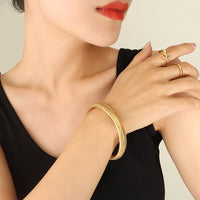
The piece they're describing → Elastisches Goldarmband für Frauen – 18K vergoldet, dehnbar, stapelbar
Personalize Yours


