


- Citrine, yellow topaz, yellow sapphire, and amber are the yellow gemstones you'll actually see in jewelry stores.
- They're not related to each other — different minerals, different hardness, different price points.
- Citrine (Mohs 7) is the affordable, everyday choice; yellow sapphire (Mohs 9) is the most durable; amber (Mohs 2–2.5) is the softest and needs the gentlest care.
- Citrine and topaz are both official November birthstones — yellow sapphire and amber aren't tied to a specific month.
- March's real birthstones, aquamarine and bloodstone, are blue and green — not yellow, despite what "gem stone for march" search results sometimes imply.
- Per GemSelect's gemologist-reviewed guide, canary diamonds and imperial topaz are the rarest yellow gems; citrine and yellow quartz are the most affordable.
"Yellow stone gem" is a broad search, and that's the honest answer: there isn't one yellow gemstone, there are several — different minerals that happen to land in the same color family, at wildly different price points and durability levels. Citrine is the one you'll see most often on jewelry counters. Yellow topaz and yellow sapphire show up in finer pieces. Amber is older than all of them and built completely differently, as fossilized tree resin rather than a crystallized mineral. This guide breaks down what each one actually is, how they compare on hardness and price, and clears up a common mix-up with March's birthstone along the way.
Yellow Gemstones Compared
The table below lines up the four yellow gemstones most likely to show up when you're shopping — mineral family, Mohs hardness (how well a stone resists scratching), typical price range, and what each one is actually known for.
| Gemstone | Mineral Family | Mohs Hardness | Typical Price | Known For |
|---|---|---|---|---|
| Citrine | Quartz | 7 | $ — most affordable | November birthstone; "the merchant's stone" |
| Yellow Topaz | Silicate (topaz) | 8 | $$ — mid-range (rare imperial topaz runs much higher) | November birthstone alongside citrine |
| Yellow Sapphire | Corundum | 9 | $$–$$$ — pricier than citrine, cheaper than blue sapphire | Most durable yellow gem after diamond |
| Amber | Organic (fossilized resin) | 2–2.5 | $ — varies with age and clarity | One of the oldest gem materials worn by humans |
Citrine
Citrine is the most common and most affordable yellow gemstone, a variety of quartz that ranges from pale lemon to deep amber-orange. Per GIA, most citrine sold today is actually heat-treated amethyst or smoky quartz — natural, untreated citrine exists but is genuinely rare, and the heat-treated version is visually identical and perfectly legitimate. At Mohs 7, it holds up well to daily wear, which is a big part of why it's the yellow gemstone you'll see most often in everyday jewelry. It's one of two official November birthstones, alongside topaz, and carries the nickname "the merchant's stone" from a centuries-old belief that it attracts prosperity.
Yellow Topaz
Yellow topaz is a color variety of the mineral topaz, the same species behind blue topaz and the rare, more valuable imperial topaz (a deeper golden-orange). At Mohs 8, it's harder than citrine but has notably poor toughness — meaning it resists scratching well but can still chip on a sharp impact, so it's worth avoiding rough contact even though the hardness number looks reassuring. Yellow topaz shares November birthstone status with citrine, and the two are frequently compared side by side since they can look similar at a glance despite being completely different minerals.
Yellow Sapphire
Yellow sapphire is corundum — the same mineral species as ruby and blue sapphire — colored yellow by trace amounts of iron. At Mohs 9, it's the most durable yellow gemstone commonly used in fine jewelry, second only to diamond, which makes it a practical choice for rings worn daily. It isn't tied to an official birthstone month the way citrine and topaz are, though it's sometimes chosen as a yellow alternative within the sapphire family. Pricing sits well below blue sapphire of comparable size and clarity, but above citrine — a middle ground between everyday-affordable and investment-piece.
Amber
Amber isn't a mineral at all — it's fossilized tree resin, some of it tens of millions of years old, which makes it one of the oldest materials humans have worn as jewelry. At Mohs 2 to 2.5, it's dramatically softer than the other stones on this list, soft enough that a fingernail can scratch it, so amber jewelry needs to be stored separately and kept away from harsh cleaners or ultrasonic baths. What amber lacks in hardness it makes up for in character — trapped air bubbles, color variation, and occasionally visible inclusions make each piece genuinely one of a kind in a way faceted stones aren't.

Is There a Yellow March Birthstone?
No — March's two official birthstones, aquamarine and bloodstone, are neither one yellow. Per the American Gem Society, aquamarine ranges from pale sky-blue to deeper oceanic blue-green tones and contains little to no yellow in it at all, while bloodstone is a dark green quartz variety flecked with red iron oxide spots. If a "gem stone for march" search led you here expecting a yellow option, the mix-up is understandable — searches for yellow gemstones and birthstone-by-month content often surface together — but there isn't a yellow stone tied to March the way citrine and topaz are tied to November. If you're shopping by birth month specifically, AJLuxe's March birthstone guide covers aquamarine and bloodstone in full; if you want a yellow stone, November's birthstones are the ones that actually fit.
If you like the warm, sunny look of a yellow gemstone, AJLuxe's Yellow Topaz Infinity Necklace ($59.99) sets a genuine yellow topaz pendant in 925 sterling silver — hypoallergenic, built for daily wear, and a real November-birthstone piece rather than a generic yellow crystal.
Frequently Asked Questions
What gem stone is yellow?
Several different gemstones come in yellow: citrine and yellow topaz are the most common and most affordable, yellow sapphire is the most durable, and amber is the oldest and softest. Rarer options include yellow diamonds and golden beryl. They're unrelated minerals that simply share a color family, not variations of a single "yellow stone" species.
What is the name for a yellow stone?
There isn't one single name — "yellow gemstone" is a color category that spans several species, each with its own name: citrine (quartz), yellow topaz, yellow sapphire (corundum), amber (organic resin), and golden beryl, sometimes called heliodor. Which one you're looking at depends on the mineral, not just the color.
What is the rarest yellow gem?
Canary diamonds and imperial topaz are generally considered the rarest yellow gems, per GemSelect's gemologist-reviewed guide to yellow gemstones. Both command significantly higher prices than more common yellow stones like citrine or yellow quartz because genuinely rare, natural, well-saturated examples are hard to source.
Is yellow sapphire stone expensive?
It depends on size and saturation, but yellow sapphire generally costs more than citrine and less than blue sapphire of comparable size and clarity. As a variety of corundum (Mohs 9), it's also significantly more durable than citrine, which is part of what supports the higher price point.
What is the real birthstone for March?
Aquamarine and bloodstone, according to both GIA and the American Gem Society. Aquamarine is blue to blue-green, and bloodstone is dark green with red flecks — neither is yellow.
Are there two birthstones for March?
Yes. March has had two official birthstones for over a century: aquamarine, prized for its clear blue color, and bloodstone, valued for its dark green color with distinctive red spots.
You Might Also Like
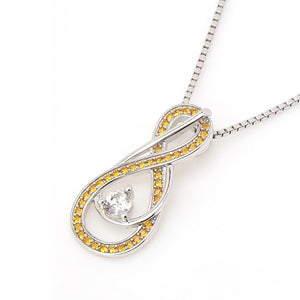

The piece they're describing → Collier pierre de naissance de novembre pour femme – Pendentif infini topaze jaune, argent sterling 925
Personalize Yours


