

- "Vintage inspired" means new jewelry styled after an earlier design era — it is not the same as genuine vintage (50–100 years old) or antique (100+ years old) jewelry, a distinction the trade takes seriously and this guide doesn't gloss over.
- The motifs that actually signal "vintage inspired" are specific: filigree (lace-like openwork metal, big in the Edwardian era), milgrain (tiny beaded edging), cameos, lockets, and flowing script monograms — not just "old-looking" in a vague sense.
- Real competitor pricing spans a wide range: Local Eclectic's vintage-inspired collection runs roughly $120–$1,220+, and Linjer's gold-vermeil vintage-inspired Elisabeth ring is $159 ($135 on sale) — both meaningfully above AJLuxe's $24.99–$79.99 sterling-silver-and-gold-plated range.
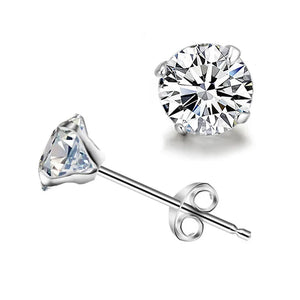
- AJLuxe doesn't carry true filigree or cameo pieces yet — flagged honestly below — but its script-monogram heart pendant and marquise-cut stud earrings genuinely echo real vintage motifs (Victorian sentimental jewelry, period-associated stone cuts) rather than standing in as a generic substitute.
- Search interest here is real and growing (4,400/mo), and most of what ranks for it is either genuine-antique dealer content or expensive designer collections — a gap for an honest, affordable breakdown of what the look actually is.
"Vintage inspired" gets used loosely enough in jewelry marketing that it's worth stopping to ask what it's actually supposed to mean — and, just as importantly, what it doesn't mean. It is not a synonym for "vintage" or "antique," both of which describe jewelry's real age, not its design language. This guide covers what vintage inspired jewelry actually is, the specific motifs (filigree, milgrain, cameos, lockets, script monograms) that separate a genuine homage from a vague "old-looking" label, what real vintage-inspired pieces cost from Local Eclectic and Linjer versus AJLuxe's own interpretation, how to style it, and an honest look at where AJLuxe's catalog can and can't fully deliver the motifs the trend is built on.
What "Vintage Inspired" Actually Means — And What It Doesn't
Vintage inspired jewelry is newly made jewelry designed to evoke an earlier design era — Victorian, Edwardian, Art Deco, or Retro — without being an actual period piece. That distinction matters more than most jewelry marketing lets on, because the jewelry trade has real, specific definitions for how old something has to be to earn the "vintage" or "antique" label, and "vintage inspired" pieces don't qualify for either:
- Antique jewelry is made at least 100 years ago — roughly the Georgian, Victorian, Edwardian, and Art Nouveau periods — per trade classifications that generally align with U.S. Customs standards.
- Vintage jewelry is made 50 to 100 years ago, covering Art Deco, Retro, and Mid-Century pieces.
- Vintage inspired (or "vintage style") jewelry is neither — it's new jewelry, made today, that borrows the visual language of one of those earlier eras without any of the age, provenance, or period-specific construction techniques that make a piece genuinely vintage or antique.
None of that makes vintage inspired jewelry a lesser choice — it makes it a different one. A genuine Edwardian filigree ring carries a hundred-plus years of history, hand-fabrication techniques rarely used today, and a price tag to match. A vintage-inspired version borrows the same visual grammar — the lace-like metalwork, the soft antiqued finish, the romantic detailing — in a new piece built for daily wear at a fraction of the cost and with none of the fragility an actual century-old setting can carry. This guide treats that as a feature worth being upfront about, not a technicality to bury in fine print.
The price difference between genuine and vintage-inspired jewelry is significant, and mostly comes down to material and age rather than design alone. A genuinely antique Edwardian filigree ring from a specialist dealer commonly runs well into four figures, since you're paying for solid precious metal, hand-fabrication from a century-plus ago, and scarcity — there's a finite, shrinking supply of real period pieces. Newer designer "vintage-inspired" collections split the difference: Local Eclectic's vintage-inspired line spans roughly $120 to $1,220+ depending on whether you're buying a vermeil pendant or a fine-jewelry heirloom piece, and Linjer's gold-vermeil vintage-inspired Elisabeth ring — recycled 925 silver at its core, plated in a thick layer of gold — runs $159 ($135 on sale). AJLuxe's own interpretation sits at the accessible end of that range: $24.99–$79.99 in 925 sterling silver with 18K gold plating, honestly labeled as new jewelry inspired by the look rather than any claim to period authenticity.
The Motifs That Actually Define Vintage Inspired Jewelry
"Vintage inspired" is a specific design vocabulary, not a vague catch-all for anything old-looking. A handful of real motifs do almost all of the work, each one tied to a real historical period:
- Filigree — delicate, lace-like openwork metal, twisted and soldered into intricate patterns. It was especially popular in the Edwardian era (roughly 1901–1915), when jewelers used it to make gold and platinum look as light and airy as fabric.
- Milgrain — a row of tiny raised metal beads used to edge a setting or band, often paired with filigree to add fine, vintage-coded texture without adding visual weight.
- Cameos — a raised, carved profile (classically a face) set against a contrasting background, a Victorian-era staple that reads instantly as "old-world" even in a brand-new piece.
- Lockets — a hinged pendant designed to hold a photo or a lock of hair, a sentimental Victorian format that's made a real comeback in modern jewelry design.
- Script monograms and sentimental symbols — flowing cursive initials, hearts, and hand motifs were core to Victorian "sweetheart" jewelry, worn to signal affection for someone specific rather than as a generic accessory.
- Antiqued or oxidized metal finishes — a soft, slightly darkened patina in the recesses of a design, mimicking the natural wear a real century-old piece would show.
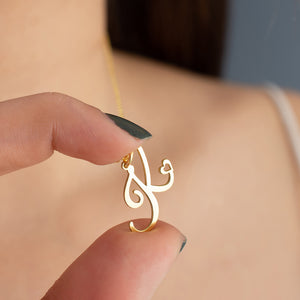
AJLuxe's heart initial necklace covers the script-monogram-plus-heart motif directly — a flowing cursive letter with a small heart accent, the same visual grammar as Victorian sweetheart jewelry, in 18K gold plating over 925 sterling silver. The marquise-cut CZ stud earrings pick up a genuinely period-associated stone shape — the elongated marquise cut has been a fixture of vintage and vintage-inspired fine jewelry for generations. Filigree, milgrain, cameos, and true locket pendants aren't currently in AJLuxe's catalog — a real gap, flagged plainly rather than pointed at a piece that doesn't actually carry the motif.

Real Vintage vs. Vintage Inspired: What Each Tier Actually Costs
Because "vintage inspired" spans everything from mass-market costume jewelry to fine-jewelry reproductions, prices vary enormously by tier — and by whether you're buying an actual period piece at all. Here's a realistic map:
| Tier | Example | Materials | Approx. price |
|---|---|---|---|
| Genuine antique/vintage | An actual Edwardian filigree ring from a specialist dealer | Solid gold or platinum, real period construction, 50–100+ years old | Well into four figures and up |
| Designer vintage-inspired | Local Eclectic's Period Piece pendants and Family Gold fine jewelry; Linjer's Elisabeth ring | Solid gold, gold vermeil, genuine gemstones | $120–$1,220+ (Local Eclectic); $135–$159 (Linjer's Elisabeth ring) |
| Affordable interpretation | AJLuxe heart initial necklace, marquise CZ studs | 925 sterling silver, 18K gold plating, CZ stones | $24.99–$79.99 |
Read that table honestly: none of these tiers are the same product, and none should be marketed as if they were. A $34.39 sterling silver heart-and-monogram necklace and a genuine hundred-year-old filigree ring are not competing for the same purchase — one is an affordable way to wear a beloved design language every day, the other is a piece of real history. What AJLuxe's tier offers honestly is the visual signal — the sentimental monogram, the period-associated stone cut — in hypoallergenic, gift-ready jewelry, without any claim to period authenticity or investment value.
| Signal | Antique / Vintage (real) | Vintage Inspired (new) |
|---|---|---|
| Actual age | Antique: 100+ years old. Vintage: 50–100 years old. | Brand new, made today |
| Construction | Period-specific hand-fabrication techniques, often no longer used | Modern manufacturing designed to visually reference those techniques |
| Materials | Usually solid precious metal, period-cut natural stones | Varies widely — from solid gold to plated sterling silver |
| Provenance | Traceable (or at least plausible) history, unique piece | None — it's a reproduction, made in quantity |
| Value over time | Can appreciate, especially rare or maker-marked pieces | Doesn't appreciate — priced for wear, not investment |
| Honest label | "Antique" or "vintage" — trade terms with real age requirements | "Vintage inspired" or "vintage style" — design language only |
The honest takeaway from that table: if what you actually want is period authenticity — the real history, the investment potential, the material integrity of a century-old piece — vintage inspired jewelry isn't a substitute for that, and shouldn't be sold as one. If what you want is the look — the filigree, the sentimental monogram, the softly antiqued finish — a well-made vintage-inspired piece delivers that honestly, at a fraction of the cost and without the fragility real antique settings can carry.
How to Style Vintage Inspired Jewelry
- Let one piece carry the motif. A single script-monogram pendant or a pair of marquise studs does more for the look than several vintage-adjacent pieces worn at once — restraint reads more genuinely "collected over time" than a full costume-jewelry stack.
- Pair warm gold tones with soft, romantic fabrics. Lace, linen, and silk read closer to the era the motifs borrow from than sharp, structured modern fabrics do.
- Mix in one modern piece to keep it from reading costume-y. A vintage-inspired heart pendant next to one plain modern chain avoids the "head-to-toe theme party" effect a full vintage-coded outfit can create.
- Layer sentimentally, not symmetrically. A monogram pendant sits naturally with a plain chain at a different length — vintage sentimental jewelry was never about matching sets.
- Let the finish do the talking. A softly antiqued or brushed finish reads more authentic to the aesthetic than a mirror-polish shine, even on a brand-new piece.
For more on building a considered, everyday layering base, see our best dainty necklaces guide.

Caring for Vintage Inspired Jewelry
Vintage inspired pieces are new jewelry, not fragile antiques, but the same care habits that protect any plated or CZ-set piece keep them looking their best:
- Take it off before showering, swimming, or exercising. Moisture and friction are the two biggest accelerants of plating wear on any gold-plated piece, vintage-inspired or not, per general jewelry-care guidance from the Jewelers of America.
- Apply perfume and lotion first, jewelry last. Both accelerate plating wear when applied directly over metal.
- Store pieces separately and flat. Delicate script pendants and detailed stud settings can bend or catch on other jewelry if tossed together in a drawer.
- Wipe with a soft, dry cloth after wear rather than a harsh polishing compound, which can be too abrasive for a plated finish or a set CZ stone.
None of this is unique to vintage-inspired jewelry specifically — it's the same baseline care any plated, gift-ready piece needs, regardless of which design era it borrows from.
Is Vintage Inspired Jewelry Still In Style in 2026?
Yes — and the search data backs it up: "vintage inspired jewelry" pulls a real, sizable 4,400 searches a month, with related interest spread across "vintage inspired necklace," "vintage inspired jewelry silver," and "vintage inspired jewelry bracelets." Unlike a single-season microtrend, this one is anchored to real, recurring design eras (Victorian sentimentality, Edwardian filigree, Art Deco geometry) that fashion keeps cycling back to rather than a viral moment that cools within a year. The practical read: a script-monogram pendant or a pair of marquise studs isn't a trend-specific purchase that goes stale — it's closer to a permanent, low-risk category that happens to be having a visible moment right now.
Frequently Asked Questions
What does vintage mean in jewelry?
In jewelry trade terms, "vintage" describes a piece actually made between 50 and 100 years ago — currently spanning roughly the Art Deco, Retro, and Mid-Century eras. It's a specific age classification, not a general style descriptor, which is why "vintage inspired" (new jewelry styled after an earlier era) is a meaningfully different term.
Is vintage jewelry real gold?
Genuine vintage and antique jewelry is often solid gold, since plating techniques were less common and less durable in earlier eras — though costume vintage jewelry with gold-tone base metal also exists and isn't solid gold. Vintage-inspired new jewelry varies by maker: some designer collections use solid gold or gold vermeil, while more affordable interpretations like AJLuxe's use 925 sterling silver with 18K gold plating rather than solid gold.
Is vintage jewelry worth buying?
It can be a genuinely good value — real vintage and antique pieces often carry craftsmanship and material quality (solid precious metal, hand-fabrication) that's harder to find at the same price point new, and some pieces appreciate over time. The tradeoff is condition risk and a higher upfront cost; a well-made vintage-inspired piece is the lower-commitment way to get the same visual language without those risks.
At what age is jewelry considered vintage?
Trade convention puts the line at 50 years: a piece made 50 to 100 years ago is "vintage," and one made 100+ years ago is "antique," in classifications generally aligned with U.S. Customs standards. A piece made today in a vintage-inspired style doesn't qualify as either, regardless of how convincingly it captures the look.
What's the difference between vintage and vintage-inspired jewelry?
Vintage jewelry is an actual object made 50 to 100 years ago; vintage-inspired jewelry is new jewelry made today that borrows that era's design language — filigree, milgrain, cameos, lockets, script monograms — without the age, provenance, or period construction techniques. One is defined by when it was made, the other by how it looks.
What jewelry motifs are considered vintage inspired?
The core set is filigree (lace-like openwork metal, especially Edwardian), milgrain (fine beaded edging), cameos (a carved profile in relief), lockets (hinged sentimental pendants), and flowing script monograms or heart motifs tied to Victorian "sweetheart" jewelry. A piece needs at least one of these specific motifs to genuinely read as vintage inspired rather than just generically old-looking.
Is vintage-inspired jewelry the same as antique jewelry?
No — this is the single most common mix-up. Antique jewelry is a real, period-made object at least 100 years old. Vintage-inspired jewelry is a brand-new piece designed to visually reference an earlier era's style; it carries none of the age, rarity, or investment value a genuine antique does, even when the design is a close visual match.
Does AJLuxe sell genuine antique or vintage jewelry?
No — AJLuxe sells new, vintage-inspired jewelry only, honestly labeled as such. Pieces like the heart initial necklace and marquise-cut stud earrings borrow real vintage motifs (Victorian sentimental monograms, period-associated stone cuts) in 925 sterling silver with 18K gold plating, but they're newly made, not antique or estate pieces.
Final Thoughts
Vintage inspired jewelry earns its search volume honestly — it's a real, recurring design language (filigree, milgrain, cameos, lockets, sentimental monograms) tied to eras fashion keeps returning to, not a vague marketing label for anything old-looking. The distinction worth holding onto: genuine vintage and antique jewelry is defined by real age (50+ and 100+ years, respectively) and carries a price and provenance to match, while vintage-inspired jewelry is new, made today, and priced for wear rather than investment. AJLuxe's script-monogram heart pendant and marquise-cut stud earrings deliver real motifs from that vocabulary — not a vague substitute — in hypoallergenic 925 sterling silver and 18K gold plating, at a fraction of what a designer vintage-inspired collection or a genuine period piece would cost. If the broader "romantic, sentimental" family interests you beyond vintage motifs specifically, see our coquette jewelry guide, and for the "quiet, heirloom-coded" end of the spectrum, our old money jewelry guide and coastal grandmother jewelry guide cover adjacent, related aesthetics. If it's an engagement or bridal piece specifically you're after, our guide to vintage engagement rings covers that bridal-specific angle in more depth.
Shop AJLuxe's vintage-inspired pick
Shop the Heart Initial NecklaceShop This Guide
Browse our full necklace collection for more sentimental, gold-plated pieces to build your vintage-inspired look, or shop the heart initial necklace above as the easiest single-piece starting point.
AJLuxe Team. Last updated: August 2026. Sources: Jewelers of America, The Antique Jewellery Company.
You Might Also Like
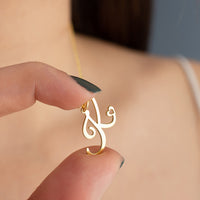
The piece they're describing → Collier Cœur Initial pour Femme — Plaqué Or 18 Carats, Lettre Personnalisée + Pendentif Cœur
Personalize Yours


