


If you've searched "toggle necklace" and landed here half-expecting a product page, we want to be straightforward before anything else: this is a style guide, and it includes an honest disclosure about what AJLuxe does and doesn't stock. Most jewelry glossaries only ever explain the toggle clasp as hardware — the little bar-and-ring mechanism holding a bracelet shut. That's accurate, but it's a different question from what a toggle necklace is as a style, which is the thing actually trending right now.
This guide covers both, clearly separated: what makes a toggle clasp a toggle clasp, why the necklace style is a distinct thing from the hardware, where the mechanism actually comes from historically, how to wear one, and the honest security question everyone eventually asks.
What Is a Toggle Necklace? (Style vs. Hardware)
A toggle clasp is a two-piece closure: a ring (or loop) on one end of the chain and a straight bar (sometimes called a T-bar) on the other. You thread the bar through the ring and let it settle at a right angle across the opening — no spring, no hinge, no small parts to catch or wear out. That mechanism shows up constantly as ordinary, hidden hardware: plenty of bracelets and even some necklaces use a toggle clasp tucked at the back of the neck or wrist, exactly the way a lobster clasp would be, purely for function.
A toggle necklace is a different thing on purpose. It's a necklace where that same bar-and-ring closure is deliberately moved to the front and center of the piece — worn as the focal point, not hidden. Instead of disappearing at the nape of your neck, the ring-and-bar sits visibly at your collarbone or breastbone, doing double duty as both the clasp and the design. That's the entire distinction, and it's a meaningful one: if the closure is at the back and you'd never notice it, it's just a necklace that happens to use a toggle clasp. If the closure is the first thing you see, it's a toggle necklace as a style.
A Real History: Where the Toggle Clasp Comes From
The toggle mechanism isn't a modern invention dressed up as "vintage" — it has genuine roots. Variations of a bar-and-loop fastening appear in ancient Roman and Greek adornment, where a simple toggle was a practical way to secure garments and jewelry without stitching or a separate fastener. The same basic principle — a bar passed through a loop and turned to sit crosswise — was also standard nautical hardware for centuries, valued by sailors for being fast to operate with one hand, reliable in rough conditions, and free of small springs or moving parts that could jam or fail at sea.
Jewelry makers borrowed the mechanism for exactly the same practical reasons sailors did: it's sturdy, it's simple, and it doesn't rely on a delicate spring mechanism that degrades over time. What's newer is treating that closure as the star of the piece rather than something to hide. Once designers started deliberately positioning the toggle at the front of a necklace instead of the back, it stopped being purely functional hardware and became a recognizable jewelry silhouette in its own right — one that's had real staying power in fine and fashion jewelry alike, and one that's currently having a renewed moment in bolder, chunkier chain designs.
How a Toggle Clasp Actually Works
The mechanics are almost deceptively simple, which is part of the appeal:
- The ring. A circular (or sometimes oval) loop attached to one end of the chain.
- The bar. A straight or slightly curved bar attached to the other end, sized a little longer than the ring's diameter.
- The fasten. You pass the bar through the ring on an angle, then let it rotate and lie flat against the ring's edge. Because the bar is longer than the ring's opening, it can't simply slip back through once it's lying crosswise — gravity and the angle of the bar do the holding, not a spring.
No moving internal parts means nothing to wear out mechanically over years of use, and it's genuinely a one-handed clasp to operate — a real advantage over a lobster clasp, which usually needs two hands (or a helpful second person) to open and close.
Toggle Necklace Styles
"Toggle necklace" covers a range of looks, not one fixed design. The main variations you'll see:
- Charm toggle necklaces. A single small charm hangs from the ring side of the toggle, so the clasp visually doubles as a pendant.
- Slim or minimalist toggle necklaces. A thinner chain with a small, understated bar-and-ring — reads as quietly detailed rather than bold, and works well layered with other delicate pieces.
- Bold, chunky toggle chains. A heavier link chain (think curb or cable-style links at a substantial thickness) with an oversized toggle bar as the focal point. This is the version driving most of the current search interest — a deliberate statement piece meant to be worn alone.
- Toggle necklaces with a pendant. Some designs add a separate hanging pendant near — but distinct from — the toggle itself, giving the piece two points of visual interest instead of one.
How to Style a Toggle Necklace
Because the whole point of the style is that the clasp is meant to be seen, styling a toggle necklace is really about giving it room to be seen:
- Wear it front and center, on its own, first. A bold toggle chain is designed to be a standalone statement — resist the urge to bury it under other necklaces the first time you wear one. Let the bar-and-ring sit visibly at your collarbone.
- Layer it deliberately once you're comfortable with the look. A slim toggle necklace pairs well underneath a longer pendant necklace, with the toggle's ring-and-bar sitting as the shorter, front-most layer. Keep the layered piece a genuinely different length and texture so the two don't compete — the same layering logic that applies to any chain necklace stack.
- Match the scale to the occasion. A delicate, minimalist toggle reads as easy daytime jewelry — office-appropriate, low-key. A chunky gold toggle chain reads as a deliberate evening or elevated-casual statement, closer to how you'd treat a bold cuff or a stack of chunky rings.
- Let necklines cooperate. Crew necks and higher necklines can crowd a toggle's visual impact; a scoop, V-neck, or open collar gives the front-facing clasp the space it's designed to occupy.
- Keep surrounding jewelry simple. Because the toggle itself is already a focal point, pair it with simple stud or small hoop earrings rather than another statement piece competing for attention.
Are Toggle Clasps Secure?
This is a fair question, and the honest answer depends on where the toggle is worn — necklace or bracelet — because those are genuinely different situations.
On a necklace, toggle clasps are reasonably secure for normal wear. Gravity is doing you a favor: the bar naturally wants to hang and settle flat against the ring rather than swing back into alignment with the opening, and a necklace generally isn't bumping into things or catching on fabric the way a bracelet is throughout the day.
On a bracelet, it's a different story — and worth being upfront about. A bracelet moves constantly against your wrist, sleeves, bags, and doorframes, and if the bar gets knocked back into alignment with the ring at the wrong angle, it can slip open. That's exactly why, in our own bracelet clasp guide, we rate toggle clasps as decorative and only medium-security for bracelets specifically — elegant, but not the first choice for something you want to forget you're wearing during an active day.
The practical takeaway: a toggle clasp worn as a necklace's front-and-center feature is a reasonably safe everyday choice. If security is your top priority over the visible-clasp look — say, for a piece you're layering and don't want to fuss with — a hidden lobster or spring-ring clasp at the back is still the more conservative option.
Frequently Asked Questions
What does a toggle necklace mean?
It doesn't carry a fixed symbolic meaning the way, say, a lock-and-key motif sometimes does — "toggle necklace" simply describes the construction: a necklace where the toggle clasp (a bar through a ring) is worn visibly at the front as the design's focal point, instead of hidden at the back. Some wearers do read a toggle's interlocking bar-and-ring as a subtle symbol of connection, but that's an interpretation people bring to it, not an established meaning behind the style itself.
What is a toggle clasp on a necklace?
It's a two-piece closure made of a ring (loop) on one end of the chain and a straight bar on the other. You pass the bar through the ring and let it settle crosswise, and the angle plus gravity keep it fastened — no spring or hinge involved. On most necklaces, this closure sits hidden at the back exactly like any other clasp. On a toggle necklace specifically, the same hardware is worn at the front on purpose, as the design.
How do you wear a toggle necklace?
Worn on its own first, with the toggle sitting visibly at your collarbone or breastbone — that's the point of the style. Once you're comfortable with it, a slim toggle necklace layers well as the shortest piece underneath a longer pendant necklace. Scale matters for occasion: delicate toggle necklaces read as easy daytime pieces, while bold, chunky toggle chains work best as a standalone statement for elevated-casual or evening wear.
How secure are toggle clasps?
Reasonably secure on a necklace, where gravity helps the bar stay settled flat and there's less everyday bumping and catching than a bracelet experiences. Less secure on a bracelet, where constant wrist movement can occasionally knock the bar back into alignment with the ring and let it slip open — which is why toggle clasps are usually rated medium-security for bracelets specifically, elegant but not the top pick if security is your priority over the visible-clasp look.
What are the pros and cons of toggle clasps?
Pros: genuinely one-handed to fasten (a real advantage over a lobster clasp), no internal spring or hinge to wear out over time, and — when worn as a front-facing necklace style — doubles as a deliberate design element instead of hiding as pure hardware. Cons: less secure than a lobster or box clasp on a bracelet specifically, due to constant wrist movement; and because the closure is visible on a toggle necklace, it needs to actually look intentional and well-made, since there's nowhere for a cheap-looking clasp to hide.
What's the difference between a "toggle necklace" and a necklace that just happens to use a toggle clasp?
Purely where the closure sits and whether it's meant to be seen. A necklace with a toggle clasp tucked at the back of your neck is functionally identical hardware to a toggle necklace — same bar, same ring, same mechanism — but it's styled to disappear, the same as a lobster clasp would be. Call it a "toggle necklace" only when the bar-and-ring is deliberately worn at the front as the visible focal point of the piece.
Does AJLuxe sell a toggle-clasp necklace?
Not currently — we checked our full active catalog before writing this guide, and there's no dedicated toggle-style (visible front clasp) necklace in it right now. We'd rather tell you that plainly than point you toward a different clasp style and imply it's the same thing. If you like the minimalist, worn-alone chain aesthetic that toggle necklaces represent, browse AJLuxe's chain necklaces — including the double-row snake chain necklace — with the honest caveat that these use a standard hidden clasp, not a toggle.
The Bottom Line
A toggle necklace is a style decision, not just a hardware choice: the same bar-and-ring closure that quietly fastens countless bracelets and necklaces becomes something different the moment it's worn visibly at the front, as the piece's actual design. It has genuine roots in ancient fastenings and nautical hardware, it's reasonably secure worn as a necklace (less so as a bracelet), and it's currently trending in bolder, chunkier chain form. For everyday necklace chain styles more broadly — including the chain types and lengths that pair well with a layered look — our complete necklace chain guide covers cable, curb, rope, and more.
Written by the AJLuxe team — specialists in 925 sterling silver and 18K gold-plated jewelry. Last updated: July 2026.
Toutes les marques, noms de marque et noms de produits tiers sont la propriété de leurs détenteurs respectifs. AJLuxe n’est affilié à aucune marque tierce citée dans cet article, ni approuvé ou sponsorisé par celle-ci. Les noms de marque sont utilisés uniquement à des fins de comparaison factuelle, et les descriptions de matériaux reflètent les spécifications produit publiées par chaque marque au moment de la rédaction.
You Might Also Like

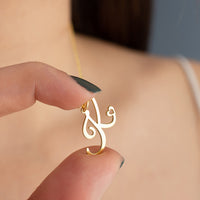
The piece they're describing → Collier Cœur Initial pour Femme — Plaqué Or 18 Carats, Lettre Personnalisée + Pendentif Cœur
Personalize Yours


