


- Sterling silver is 92.5% pure silver alloyed with copper. White gold is genuine gold (usually 14K or 18K) alloyed with white metals like palladium, nickel, or manganese, then rhodium plated.
- Price gap is large: sterling silver pieces typically run $25 to $150, while comparable solid white gold pieces run $400 to $2,500 or more, largely driven by gold's spot price.
- White gold is harder and more scratch-resistant day to day, but its rhodium plating wears off every 1 to 2 years and needs re-plating to keep its bright white color.
- Sterling silver tarnishes with air and moisture exposure but never needs re-plating — a quick polish restores the shine, and the metal never structurally changes.
- 925 sterling silver contains no nickel and is a safer bet for sensitive skin. Most white gold alloys do contain nickel, a leading cause of jewelry contact allergies.
- AJLuxe sells genuine 925 sterling silver, not white gold. We are the affordable, hypoallergenic alternative for people who love the white-metal look without the white-gold price or maintenance.
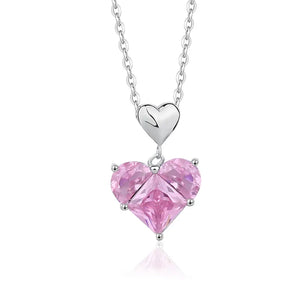
Some sterling silver pieces get marketed loosely with "white gold" in the name because they share that bright white-metal look — worth knowing so you're not misled. AJLuxe's own Pink Heart Pendant Necklace is genuine 925 sterling silver, not an actual gold alloy, and its listing states that plainly rather than leaning on the "white gold" label.
If you are choosing between sterling silver and white gold, you are really weighing price against permanence. Both metals give you that cool, bright silvery-white look, but they come from very different places: one is a precious metal in its own right, the other is gold dressed up to look silver. The keyword "sterling silver vs white gold" pulls up shoppers asking three things: which is cheaper, which lasts longer, and which is safer for sensitive skin. This guide answers all three with real numbers, plus how each metal handles tarnish and re-plating, so you can decide which one actually fits your wallet, your skin, and how you plan to wear it.
Composition and Purity: What Each Metal Actually Is
Sterling silver is 92.5% pure silver alloyed with 7.5% other metals, almost always copper, which adds strength since pure silver is too soft to hold shape in jewelry. It is stamped "925" and is a genuine precious metal, not a coating or imitation. There is no gold in sterling silver at all.
White gold is real gold, usually 14K (58.3% gold) or 18K (75% gold), alloyed with white metals such as palladium, silver, manganese, or nickel to lighten gold's naturally yellow color. Even after alloying, the result still has a faint yellow or gray tint, so nearly all white gold jewelry is finished with a thin layer of rhodium plating to give it that bright, icy-white shine you see in stores. Strip the rhodium away and the underlying alloy is noticeably duller than what you bought.
The core distinction: sterling silver is silver being silver. White gold is gold pretending to be silver, using an alloy and a plated finish to get there. That difference is what drives almost every other tradeoff below.

The Price Difference: Real Numbers
This is usually the deciding factor, and the gap is not small. Gold's spot price drives white gold's cost far more than craftsmanship does, while silver trades at a small fraction of gold's price per ounce.
| Item | 925 Sterling Silver | 14K–18K White Gold |
|---|---|---|
| Simple stud earrings | $20 – $40 | $200 – $500 |
| Everyday band ring | $30 – $60 | $400 – $900 |
| Solitaire-style CZ or diamond ring | $45 – $80 | $800 – $2,500+ |
| Pendant necklace | $25 – $60 | $350 – $1,200 |
On average, sterling silver runs about 10 to 20 times cheaper than solid white gold for a comparable design. That gap exists mainly because you are buying real gold content in white gold (priced at gold's per-gram rate) plus rhodium plating, versus silver's much lower per-gram value in sterling silver. If your budget is under $100 per piece, white gold in solid form is rarely on the table — that price range is sterling silver's territory almost by default.
Durability and Scratch Resistance
White gold wins on raw hardness. Gold alloyed with palladium or nickel is harder than sterling silver and resists everyday dents and deep scratches better, which is part of why it is the traditional choice for rings that get knocked around daily, like wedding bands. Sterling silver is softer — even with copper added for strength, it scratches and dents more easily than a gold alloy, especially on rings and bracelets that see constant contact.
That said, "harder" does not mean "looks better longer." White gold's hardness is in the gold alloy underneath, but the bright white finish you actually see is a thin rhodium plating, which is softer than the alloy itself and wears down with friction regardless of how hard the gold underneath is. So while white gold resists structural damage better, its surface shine has its own separate wear timeline, covered next.
Tarnish vs. Re-Plating: The Real Maintenance Difference
This is where the two metals diverge most in day-to-day ownership.
Sterling silver tarnishes. Exposure to air, moisture, and sulfur compounds causes silver to oxidize and darken over weeks to months, faster in humid climates or with certain skin chemistry. The fix is simple and cheap: a polishing cloth restores the shine in under a minute, and an anti-tarnish storage bag or airtight container slows the process significantly. Tarnish never changes the metal's structure or value — it is purely surface oxidation that polishes right off.
White gold needs rhodium replating. The bright white rhodium layer wears thin with regular wear, typically every 1 to 2 years for a ring worn daily, showing the warmer, slightly yellow or gray gold alloy underneath. Unlike silver tarnish, you cannot buff this back yourself — replating requires a jeweler to strip and reapply the rhodium layer, which usually costs $60 to $150 per piece depending on size and jeweler.
The practical tradeoff: sterling silver needs more frequent, but free and instant, at-home maintenance. White gold needs less frequent maintenance, but each round trip to the jeweler costs real money and time. Over a decade of regular wear, many white gold ring owners spend $300 to $900 just on replating, on top of the original purchase price.

Hypoallergenic Properties: Which Is Safer for Sensitive Skin?
Nickel is the single most common cause of jewelry contact allergies, and this is where sterling silver has a clear structural advantage. Genuine 925 sterling silver is silver and copper only — no nickel in the alloy at all, which makes it a safe, comfortable choice for the large share of people with metal sensitivities.
White gold is more complicated. Many white gold alloys use nickel specifically because it whitens gold effectively and is inexpensive, which means a real share of white gold jewelry on the market contains nickel in the base alloy, even though the visible surface is rhodium plated. As long as the rhodium coating is fully intact, it acts as a barrier between your skin and the nickel underneath. But once that rhodium wears thin — which, as covered above, happens on a 1 to 2 year cycle — the nickel-bearing alloy can start contacting skin directly, which is exactly when reactions tend to start. Palladium-alloyed white gold avoids this problem, but it costs more and is less common at mainstream price points.
If you have a known nickel allergy, or simply want to avoid the risk, sterling silver is the more dependable choice because there is no nickel to reach your skin in the first place, no matter how worn the piece gets. For a broader look at which metals are safest for sensitive skin across the board, see our full hypoallergenic jewelry guide.
Which Occasions Suit Which Metal
- Everyday wear, layering, and trend pieces: sterling silver. Its low price makes it easy to own several pieces, swap styles seasonally, and not worry about scratches or dents on jewelry you wear constantly.
- Sensitive skin or known nickel allergy: sterling silver, for the reasons above. It removes the nickel risk entirely rather than relying on an intact plating layer.
- Engagement rings and fine bridal jewelry: this is genuinely the closest call. White gold's hardness and resale value make it the traditional pick for a ring worn 24/7 for decades, but it commits you to rhodium replating every year or two. A sterling silver engagement-style ring is a practical, budget-conscious alternative or placeholder ring, especially for couples prioritizing an affordable, hypoallergenic option over resale value.
- Gifting and special occasions on a budget: sterling silver, since it lets you give a genuine precious-metal piece at a fraction of white gold's cost.
- Heirloom pieces meant to hold monetary value: white gold, since its gold content carries real resale and melt value that sterling silver's lower silver content cannot match.
Where AJLuxe Fits: An Honest Disclosure
AJLuxe jewelry is made from genuine 925 sterling silver, priced from about $22.99 to $79.99. We are not selling white gold, and we are not trying to pass sterling silver off as white gold. What we offer is the same bright, cool-toned silver look at a fraction of white gold's price, with the added benefit that our sterling silver contains no nickel and needs no rhodium replating cycle to maintain its finish.
If you want the specific hardness, resale value, or bridal-tradition weight of solid white gold, sterling silver is not a substitute for that. But if you want an affordable, hypoallergenic, low-maintenance way to enjoy the white-metal look every day, that is exactly the gap our sterling silver line is built to fill. Browse our full sterling silver jewelry collection to see the range.
Related reading: 6 Best Stretchy Cords for Bracelets (2026), Compared.
Frequently Asked Questions
Is sterling silver cheaper than white gold?
Yes, significantly. Sterling silver typically costs 10 to 20 times less than comparable solid white gold jewelry, since white gold's price is driven largely by its real gold content, priced at gold's per-gram rate, while sterling silver's silver content is far less expensive per gram.
Is white gold hypoallergenic?
Not reliably. Many white gold alloys contain nickel, a leading cause of jewelry contact allergies. The rhodium plating on top acts as a barrier while intact, but once it wears thin, which typically happens within 1 to 2 years, the nickel-bearing alloy underneath can contact skin directly.
Does sterling silver tarnish more than white gold?
Sterling silver does tarnish, from air and moisture exposure, while white gold's rhodium plating does not tarnish in the same way. However, white gold's rhodium layer wears thin over time and needs professional replating, while silver tarnish is a surface effect you can polish off yourself in under a minute.
Which is better for an engagement ring, sterling silver or white gold?
White gold is the traditional choice for engagement rings because it is harder, more scratch-resistant, and holds resale value. Sterling silver is a practical, hypoallergenic, budget-friendly alternative or placeholder ring, but it will not match white gold's durability or resale value long-term.
How can you tell sterling silver from white gold?
Check the hallmark stamp: sterling silver is stamped "925" or "sterling," while white gold is stamped "14K," "18K," or a karat fraction like "585" or "750." Sterling silver is also noticeably lighter in weight and costs far less than white gold for the same design.
Does white gold contain nickel?
Many white gold alloys do contain nickel, since it is an effective and inexpensive way to whiten gold. Nickel-free white gold exists, usually alloyed with palladium instead, but it is less common and typically costs more. Always ask a jeweler about the specific alloy if nickel is a concern.
How often does white gold need to be replated?
Most white gold jewelry worn daily needs rhodium replating every 1 to 2 years to maintain its bright white color, as the plating wears thin from friction and exposes the warmer-toned alloy underneath. Replating typically costs $60 to $150 per piece at a jeweler.
Is sterling silver softer than white gold?
Yes. Even with copper added for strength, sterling silver is softer than a gold alloy and scratches and dents more easily with regular wear, especially on rings and bracelets. White gold's harder alloy resists this kind of surface damage better.
Does sterling silver or white gold hold its value better?
White gold holds value better, since it contains real gold content with meaningful resale and melt value. Sterling silver's silver content is worth far less per gram, so it holds comparatively little resale value, even though the jewelry itself is genuine precious metal.
Can you wear sterling silver and white gold together?
Yes, there is no chemical or physical issue with wearing both at once. Mixed metals are also a common styling choice today. The only consideration is that they age differently over time, sterling silver tarnishes while white gold's plating wears, so pieces worn together may need different maintenance schedules.
Why do jewelers recommend white gold over sterling silver for everyday rings?
Mainly because of hardness and durability under constant contact. A ring worn daily faces more wear than earrings or a necklace, and white gold's harder alloy holds up better against that. Jewelers weigh this against sterling silver's much lower price and nickel-free composition depending on the buyer's priorities and budget.
Is AJLuxe jewelry white gold?
No, and we say so plainly. AJLuxe jewelry is genuine 925 sterling silver, not white gold. We share white gold's bright, cool-toned look, but at a fraction of the price, with no nickel in the alloy and no rhodium replating cycle required to maintain the finish.
Final Thoughts
Sterling silver and white gold both give you that bright, cool-toned metal look, but they are genuinely different materials with different tradeoffs. White gold is harder, holds resale value, and needs less frequent (but more expensive) maintenance. Sterling silver is far more affordable, contains no nickel, and its tarnish is a five-minute fix rather than a paid jeweler visit. Neither is objectively "better" — the right choice depends on whether you are prioritizing budget and sensitive skin, or durability and resale value. For everyday jewelry, gifting, and anyone with metal sensitivities, genuine 925 sterling silver is the practical, honest choice, and it is exactly what AJLuxe builds our jewelry from. For related comparisons, see our guides on sterling silver vs. stainless steel and gold filled vs. gold plated.
Shop AJLuxe's genuine 925 sterling silver jewelry
Shop the Sterling Silver Engagement RingShop This Guide
Browse our full sterling silver jewelry collection for rings, earrings, and necklaces made from genuine 925 sterling silver, an affordable, hypoallergenic alternative to white gold for everyday wear.
More Gold & Metal Guides
AJLuxe Team. Last updated: July 2026. AJLuxe uses genuine 925 sterling silver and does not sell white gold. Sources: Jewelers of America, and the US FTC Guides for the Jewelry, Precious Metals, and Pewter Industries (16 CFR Part 23).
Toutes les marques, noms de marque et noms de produits tiers sont la propriété de leurs détenteurs respectifs. AJLuxe n’est affilié à aucune marque tierce citée dans cet article, ni approuvé ou sponsorisé par celle-ci. Les noms de marque sont utilisés uniquement à des fins de comparaison factuelle, et les descriptions de matériaux reflètent les spécifications produit publiées par chaque marque au moment de la rédaction.
You Might Also Like
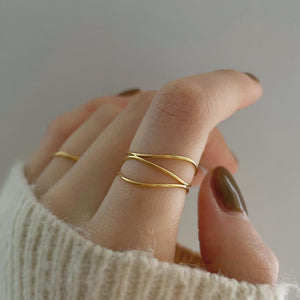

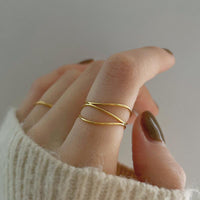
The piece they're describing → Bague triple torsadée pour femme — Plaqué or 18 carats, argent sterling 925, style fiançailles
Personalize Yours


