


"Real vs. fake" earrings is a more nuanced question than it sounds — "real" doesn't have one fixed meaning across every shopper. For some, it means solid precious metal versus base-metal costume jewelry. For others, it's about whether a diamond or gemstone is natural versus lab-created or simulated (like cubic zirconia). Both are legitimate questions with different answers, and conflating them is where a lot of buying confusion starts. This guide separates the two, gives real ways to check each at home, and is honest about where AJLuxe's own catalog sits on both scales.
Question 1: Is the Metal Real?
"Real" metal doesn't mean only solid gold or solid silver counts — a properly disclosed plated piece (gold plating over a named base metal) is real in the sense that matters: the seller is telling you exactly what you're buying. What's not real is a listing that says "gold" or "silver" with no purity, karat, or base metal named at all, which is a strong signal the actual material is an undisclosed base alloy.
The Hallmark Stamp
Genuine precious-metal jewelry is usually stamped with a hallmark: "925" for sterling silver, "10K/14K/18K/24K" for gold purity, or "PT950" for platinum. No stamp doesn't automatically mean fake — some plated and fashion pieces legitimately aren't stamped — but a stamp is the fastest physical confirmation on a piece you already own.
Weight and Feel
Solid precious metal is noticeably denser than most base-metal alloys used in costume jewelry — a solid sterling silver stud will feel heavier in the hand than a similarly sized piece made from brass or pot metal. This isn't a precise test on its own, but combined with a hallmark check, it's a useful gut check before buying.

Question 2: Is the Stone Real?
This is a separate question from the metal, and conflating them is a common buying mistake — a piece can have genuine 925 sterling silver with a cubic zirconia stone, which is real metal and a simulated (not fake) stone, honestly disclosed. "Fake" stones, versus "simulated" ones, is really about disclosure: a cubic zirconia sold as a cubic zirconia is honest. A cubic zirconia marketed as a diamond, with no disclosure, is deceptive.
Simulated, Lab-Grown, and Natural — Not the Same Thing
A simulated stone (cubic zirconia, moissanite in some marketing, glass) mimics the look of a gemstone without sharing its chemical composition. A lab-grown stone (lab-created diamond or sapphire) shares the exact chemical and optical properties of the natural version, just grown in a controlled setting rather than mined. A natural stone is mined. All three are legitimate categories with different price points — the issue is only when a seller mislabels one as another.
Quick At-Home Checks
- Magnet test — precious metals (gold, silver, platinum) aren't magnetic; if a piece sticks to a magnet, it's not solid precious metal, though this doesn't rule out non-magnetic base alloys either.
- Discoloration check — a green tint on skin or a piece that visibly tarnishes within days points to a lower-quality base alloy, not genuine sterling silver or gold.
- Reading the listing closely — the single most reliable check before buying: does the seller name a purity or karat, or a specific base metal under any plating? Vague language ("gold-tone," "silver-look") is the biggest tell.
| Claim on Listing | What It Actually Means | Real or Vague? |
|---|---|---|
| "925 sterling silver" | 92.5% pure silver alloy, hallmark-verifiable | Real, specific |
| "18K gold-plated over 925 silver" | Gold layer over a named, disclosed base | Real, disclosed |
| "Gold-tone" / "Silver-tone" | No purity or base metal named | Vague — likely base alloy |
| "Cubic zirconia" | Simulated stone, disclosed honestly | Real, honest |
| "Diamond-cut" (on a non-diamond stone) | Describes the faceting style, not the stone material | Ambiguous — read the rest of the listing |
Where AJLuxe Sits on Both Questions
On metal: every listing states the actual material — 925 sterling silver with 18K gold plating for the women's line, including our 925 sterling silver CZ stud earrings, and 316L surgical-grade stainless steel for the men's line. Nothing is sold as "gold" or "silver" without that disclosure. On stones: our pieces use cubic zirconia and similar simulated stones, described as such — never marketed as natural or lab-grown diamonds. If you're shopping specifically for a mined or lab-grown diamond, that's not what we sell, and we'd rather point you to a specialist than let a vague listing imply otherwise.
Real Earrings vs. Fake: Common Questions
- How can I tell if earrings are real?
- Check for a hallmark stamp (925, 14K/18K, PT950), read whether the listing names a specific purity or base metal, and watch for fast tarnishing or skin discoloration after normal wear — all signs of an undisclosed base-metal alloy rather than genuine precious metal.
- How can I tell the difference between real jewelry and fake jewelry?
- Separate the metal question from the stone question. For metal, look for a hallmark and specific purity language. For stones, check whether the listing discloses a simulated stone (like cubic zirconia) honestly, versus vague or misleading language implying a natural or lab-grown gem it isn't.
- Do all real earrings have screw backs?
- No — screw backs, friction/push backs, and lever backs all appear on genuine precious-metal earrings. Back style is a security and comfort choice, not an indicator of whether the metal or stone is real.
- How do I test if jewelry is real at home?
- A magnet test (precious metals aren't magnetic), checking for a hallmark stamp, and watching for tarnish or skin discoloration over the first few wears are the most accessible home checks. None are perfectly conclusive alone — combine them with reading the original listing closely.
- Is cubic zirconia considered "fake"?
- Not if it's disclosed as cubic zirconia — it's a real, honestly named simulated stone, not a fake diamond. It only becomes deceptive if a seller markets it as a diamond without disclosure.
- Can gold-plated jewelry be considered "real"?
- Yes, if the listing discloses it as gold-plated and names the base metal underneath. It's not solid gold, and a seller shouldn't imply it is, but properly disclosed plated jewelry is a genuine, honestly described product category.
- Why did my "silver" earrings turn my ears green?
- That reaction is almost always caused by an undisclosed base metal (often containing copper oxidation or nickel) rather than genuine 925 sterling silver, which rarely causes this on its own.
Final Thoughts
"Real vs. fake" earrings really breaks into two separate, answerable questions: is the metal what the listing claims, and is the stone disclosed honestly. A hallmark stamp, specific purity language, and clear stone labeling answer both. AJLuxe discloses its metal (925 sterling silver, 18K gold plating, or 316L stainless steel) and its stones (cubic zirconia and similar simulated gems) the same way on every listing — no vague "gold-tone" language standing in for an undisclosed base.
Last updated: August 2026. Written by the AJLuxe team — specialists in personalized sterling silver jewelry.
Toutes les marques, noms de marque et noms de produits tiers sont la propriété de leurs détenteurs respectifs. AJLuxe n’est affilié à aucune marque tierce citée dans cet article, ni approuvé ou sponsorisé par celle-ci. Les noms de marque sont utilisés uniquement à des fins de comparaison factuelle, et les descriptions de matériaux reflètent les spécifications produit publiées par chaque marque au moment de la rédaction.
You Might Also Like
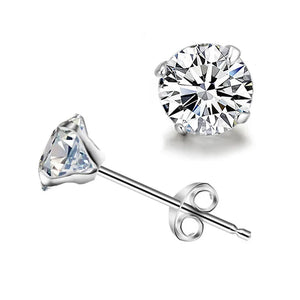
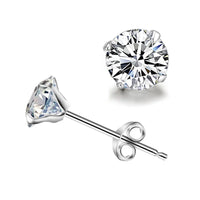
The piece they're describing → Puces d'oreilles en oxyde de zirconium pour femme — Argent sterling 925, oxyde de zirconium, hypoallergéniques
Personalize Yours


