


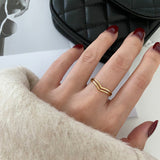
Our take: if the most expensive piece in your jewelry box cost less than about $150, skip dedicated jewelry insurance. You are very likely already covered by the jewelry theft sublimit built into your existing renters or homeowners policy, and a standalone policy or rider frequently costs more per year than the piece itself is worth. The insurance industry's own numbers make this case better than we can — nobody has just bothered to run them for jewelry in the $25–$80 range, because that is not the customer the industry is built to sell to.
- A standard homeowners or renters policy already covers jewelry theft up to roughly $1,500–$2,500 combined, with no rider and no extra premium, according to Allstate, GEICO, Bankrate, and the Insurance Information Institute.
- Dedicated jewelry insurance is typically priced at 1–2% of an item's value per year (NerdWallet), which sounds cheap — until you hit the real-world floor.
- Progressive's own jewelry insurance page states its Lavalier-underwritten plans "start at $70 per year," on the same page that quotes the 1–2% figure. For a $50 necklace, 1–2% is $0.50–$1. The actual starting price is 70× to 140× that.
- Scheduling an item on most standalone policies typically requires a receipt or appraisal, which is a real hurdle for a $30 fashion piece with no formal appraisal to begin with.
- Where we agree insurance earns its keep: single pieces worth $1,000+, collections whose combined value clears your policy's sublimit, and coverage for accidental loss (not just theft), which standard homeowners policies generally exclude.
What the Insurance Industry Tells You
Search "is jewelry insurance worth it" and the answers you get back are remarkably consistent, and remarkably calibrated to a different customer than most jewelry buyers. Jewelers Mutual, NerdWallet, CNBC, Progressive, and GEICO all publish some version of the same guidance: insurance is worth it if you would be devastated to lose the piece and could not comfortably afford to replace it. The worked examples in nearly every one of these guides use a $3,000 to $10,000 engagement ring. NerdWallet's own sample quote table prices coverage at $33 to $200 a year — again, for items in the thousand-dollar-plus range.
That advice is not wrong. It is just answering a question nobody asked about a $45 pair of stud earrings. The entire framing assumes the piece in question is expensive enough that losing it would actually hurt financially, and that assumption quietly disqualifies most of what people actually own and wear day to day.
The Math Nobody Runs for Under-$150 Jewelry
Here is the part the standard advice skips. Take Progressive's own numbers, from its own page: dedicated jewelry insurance "starts at $70 per year," while separately being pitched as costing "1–2% of your jewelry's value." Those two claims only agree with each other once your jewelry is worth roughly $3,500–$7,000. Below that, the stated percentage is fiction and the real number is the flat starting price.
| Item value | "1–2% of value" premium | Real starting premium* | Premium as % of item value |
|---|---|---|---|
| $30 necklace | $0.30–$0.60 | ~$70 | ~233% |
| $50 ring | $0.50–$1.00 | ~$70 | ~140% |
| $80 earrings | $0.80–$1.60 | ~$70 | ~88% |
| $1,500 piece | $15–$30 | ~$70 (in line with %) | ~4.7% |
*Based on Progressive/Lavalier's publicly stated $70/year starting price for standalone jewelry coverage; other insurers' minimums vary but follow the same pattern of a practical floor beneath the quoted percentage.
At AJLuxe's own $24.99–$79.99 price range, a dedicated policy on a single piece would cost more than the piece in year one, and roughly double the piece's value by year two, with no claim ever filed. That is before factoring in that most standalone plans want a receipt or appraisal to schedule the item in the first place, which is a strange amount of paperwork for a $30 pendant.
You're Probably Already Covered
The second half of the case against buying dedicated coverage is that, for most people, it is redundant. A standard homeowners or renters insurance policy already includes jewelry within its general personal-property coverage, subject to a theft sublimit that multiple insurers and comparison sites put at roughly $1,500 to $2,500 combined, per policy, with no extra premium and no rider required. GEICO, Allstate, and Policygenius all describe versions of this same built-in limit.
Do the arithmetic on your own jewelry box. A $1,500–$2,500 combined sublimit covers somewhere between 19 and 100 pieces at AJLuxe's price point. Unless you own a genuinely large collection, or a lot of it is layered onto your body at once at a wedding, your existing policy is very likely already carrying the risk you'd otherwise pay $70-plus a year to duplicate.
Where the Case for Insurance Is Fair
An honest opinion has to hold up the other side, so here is where we think the standard advice is right and our contrarian take should yield:
- Single pieces worth more than your sublimit. If you own one item — an engagement ring, an heirloom — worth more than your policy's $1,500–$2,500 combined jewelry limit, that piece is genuinely exposed above the free coverage, and a rider or standalone policy is doing real work.
- Large collections that add up. If your everyday jewelry box holds enough pieces that its combined replacement value clears your sublimit, even at $30–$80 each, you've crossed into the same math that applies to a single expensive item.
- Accidental loss, not just theft. Standard homeowners and renters policies generally cover jewelry against theft, not against "I lost an earring down a drain" or "it fell off on a run." Standalone jewelry riders typically cover accidental loss and mysterious disappearance, which theft-only sublimits don't. If you lose jewelry often, that's a real, separate reason to insure that has nothing to do with item value.
- No renters or homeowners policy at all. Everything above assumes you have an underlying policy doing the free work. If you don't carry renters or homeowners insurance, none of this applies, and that's a bigger gap to close than jewelry coverage.
None of those exceptions describe the typical AJLuxe order, which is why we're comfortable saying the general advice doesn't fit it — but they're real enough that "never insure jewelry" would be a strawman we're not making.
What We'd Actually Do Instead
If your jewelry box is mostly pieces under $100–150 each, here's what we think is a better use of the money than a rider:
- Check what your existing policy already covers before assuming you need anything new. A five-minute call to your renters or homeowners provider tells you your actual sublimit and whether theft-only or accidental-loss coverage applies.
- Buy for durability over the years, not against the year you might lose it. Real 925 sterling silver and thicker gold plating hold up to daily wear and tarnish far better than base-metal costume pieces, which lowers your odds of ever needing a replacement in the first place. See our guides on caring for sterling silver and caring for gold-plated jewelry to get more years out of what you already own.
- Keep the receipt anyway. It costs nothing, and if your collection ever grows past your sublimit, you'll have what you need to schedule pieces without scrambling for an appraisal later.
- Put the premium toward a spare, not a policy. $70 a year buys close to two more AJLuxe pieces. For most everyday jewelry, replacing it yourself if the worst happens is cheaper than insuring against the worst happening.
Frequently Asked Questions
Is jewelry insurance worth it for cheap or fashion jewelry?
Usually not. Standalone jewelry insurance commonly has a real-world starting premium around $70 a year (per Progressive/Lavalier's own published pricing), which can exceed the value of a $25–$80 piece within a year or two. Most everyday jewelry collections at that price point are also already covered by the theft sublimit built into a standard renters or homeowners policy.
Does homeowners or renters insurance already cover jewelry?
Yes, up to a limit. Standard policies generally include jewelry within personal-property coverage, but cap theft claims at roughly $1,500 to $2,500 combined for all jewelry, according to insurers including GEICO and Allstate. Coverage for accidental loss (rather than theft) is usually not included without an added rider.
How much does jewelry insurance actually cost per year?
It's typically quoted as 1–2% of the item's value annually, per NerdWallet's research, with sample quotes ranging $33–$200/year for pieces worth roughly $1,650–$10,000+. For lower-value items, the percentage stops applying in practice: Progressive states its own plans start at $70/year regardless.
When does dedicated jewelry insurance make sense?
When a single piece is worth more than your homeowners or renters sublimit (commonly $1,500–$2,500), when your combined jewelry collection clears that same limit, or when you specifically want coverage for accidental loss rather than just theft, which standard policies typically exclude.
Our Verdict
Jewelry insurance is a reasonable, well-priced product for the customer it's built for: someone with a single expensive piece, or a collection whose value has genuinely outgrown their homeowners sublimit. It is a poor fit for the everyday $25–$80 pieces most people actually wear, where the real starting premium can cost more per year than the item itself, and where existing renters or homeowners coverage is quietly already doing the job for free. Our honest opinion: check your existing policy first, spend on pieces built to last instead of a rider to protect them, and save dedicated insurance for the piece that actually clears the math.
Build a durable everyday collection instead of insuring a fragile one
Shop Dainty Gold-Plated Stacking RingsShop This Guide
Browse AJLuxe's full jewelry collection — 925 sterling silver and 18K gold-plated pieces from $24.99 to $79.99, built to hold up to daily wear without needing a policy to back them.
AJLuxe Editorial Team. Last updated: July 2026. This is an opinion piece reflecting AJLuxe's editorial position; the facts and figures cited are sourced and verifiable. Sources: NerdWallet, "Jewelry Insurance", Progressive, "How to Insure Your Jewelry", GEICO, "Does Homeowners Insurance Cover Jewelry?", and Allstate, "Is Jewelry Covered By Renters Insurance?"
Toutes les marques, noms de marque et noms de produits tiers sont la propriété de leurs détenteurs respectifs. AJLuxe n’est affilié à aucune marque tierce citée dans cet article, ni approuvé ou sponsorisé par celle-ci. Les noms de marque sont utilisés uniquement à des fins de comparaison factuelle, et les descriptions de matériaux reflètent les spécifications produit publiées par chaque marque au moment de la rédaction.
You Might Also Like

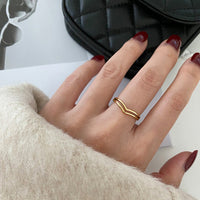
The piece they're describing → Bagues fines empilables pour femme — Plaqué or 18 carats, ensemble à bande fine, minimaliste
Personalize Yours


