


- "Gold-filled" describes a mechanically bonded gold layer (U.S. standard: at least 1/20, or 5%, gold by weight) — it says nothing about the metal underneath.
- Most gold-filled jewelry is built on a brass or jewelers-brass core, which can contain nickel and isn't guaranteed hypoallergenic.
- Standard gold-plated jewelry carries the same base-metal risk, plus the gold layer itself is far thinner (as little as 0.5 microns) and wears through faster.
- The karat number (10K, 14K, 18K) describes the purity of the gold layer, not whether the piece is hypoallergenic — that's a base-metal question.
- Gold plating over 925 sterling silver is generally the more reliable option for sensitive skin, since the base itself is nickel-free.
- AJLuxe builds its gold pieces on 925 sterling silver with 18K gold plating — hypoallergenic and nickel-free as standard, not as an upgrade.
If you've ever gotten a rash from a "gold" necklace, you already know that the word "gold" on a price tag doesn't guarantee your skin will tolerate it. Gold-filled, gold-plated, and even some solid-gold alloys can all trigger a reaction depending on what's actually touching your skin. Here's how each construction method actually affects hypoallergenic reliability — and how to tell which one is right for you before you buy.
What Does “Gold-Filled” Actually Mean?
Gold-filled means a solid layer of real gold has been mechanically pressure-bonded to a base metal core, and by U.S. standard it must equal at least 1/20 (5%) of the piece's total weight in gold. That's dramatically more gold than standard plating, which is why gold-filled jewelry can last 20-30 years with normal wear before it shows any brassy undertone. But "gold-filled" is a statement about the gold layer, not the core — and the core in most commercially available gold-filled jewelry is brass or a brass alloy, which can contain nickel.

Is Gold-Filled Jewelry Hypoallergenic?
Gold-filled jewelry is not guaranteed hypoallergenic because the base metal underneath the gold layer is usually brass, and brass alloys can include nickel — one of the most common triggers of contact dermatitis. For most people without a diagnosed metal allergy, gold-filled jewelry is comfortable to wear because the thick gold layer keeps skin contact with the base metal minimal. But if you already know you react to nickel, gold-filled isn't a safe assumption — you'd need the specific piece's base-metal composition confirmed by the seller, which most listings don't disclose.
Is Gold-Plated Jewelry Hypoallergenic?
Gold-plated jewelry is only as hypoallergenic as the base metal it's plated over, and on most budget gold-plated jewelry that base metal is brass or a copper alloy that hasn't been screened for nickel. Standard gold plating is also extremely thin — often under 1 micron, applied by electroplating rather than pressure-bonding — so it wears through with normal wear (showering, lotion, friction from clothing) far faster than gold-filled. Once the gold layer thins, the base metal makes direct, prolonged contact with skin, which is when reactions typically start.
Is 14K Gold-Plated Jewelry Hypoallergenic?
14K gold-plated jewelry is not automatically hypoallergenic just because the plating is 14K — the karat number describes the purity of the gold in that thin outer layer, not the safety of the metal it's covering. A 14K gold-plated piece over a nickel-containing brass base carries the same allergy risk as a 10K-plated piece over the same base; the karat of the plating and the composition of the core are two separate questions, and only the second one determines whether the piece is hypoallergenic.
Gold-Filled vs. Gold-Plated: Side-by-Side Comparison
The table below breaks down what actually differs between the common gold jewelry types when hypoallergenic reliability is the deciding factor.
| Type | Base Metal | Gold Layer | Hypoallergenic Reliability | Typical Price |
|---|---|---|---|---|
| Gold-Filled | Usually brass or jewelers-brass | Bonded, min. 1/20 gold by weight (~5%) | Depends on base — not guaranteed nickel-free | $30-$150+ |
| Standard Gold-Plated | Often brass or copper alloy | Electroplated, can be under 1 micron | Lowest — thin layer wears fast, exposes base metal | $10-$40 |
| Gold-Plated 925 Sterling Silver | 925 sterling silver (nickel-free) | Electroplated, e.g. AJLuxe's 18K plating | Highest of the plated options — nickel-free base | $24.99-$79.99 |
| Solid Gold (10K-18K) | N/A — solid throughout | N/A | Generally high, though some alloys include trace nickel | $200+ |
Can I Shower With Gold-Filled Jewelry?
Yes, gold-filled jewelry can generally handle water exposure, including showering, better than standard gold-plated jewelry because its gold layer is thick enough to resist the gradual wear that water and soap residue cause. That said, prolonged exposure to chlorine, salt water, and harsh soaps will still accelerate wear over years, so most jewelers still recommend removing any gold jewelry — filled, plated, or solid — before swimming or heavy cleaning to extend its life.
What Type of Gold Is Most Hypoallergenic?
The most hypoallergenic gold jewelry is either high-karat solid gold (18K or higher) from a reputable source, or gold plating applied over a base metal that's already nickel-free, such as 925 sterling silver. Solid gold in very high purities contains too little of any other metal to trigger most reactions, but it's also the most expensive option. For everyday jewelry at a lower price point, a nickel-free base under the gold — rather than the karat of the gold itself — is the detail that actually protects sensitive skin.
Can You Be Allergic to Gold-Filled Jewelry?
Yes, you can be allergic to gold-filled jewelry, either from a reaction to the exposed base metal as the gold layer thins over time, or in rare cases from a sensitivity to gold itself. True gold allergies are uncommon, but they do exist and are usually a reaction to trace alloy metals mixed into the gold rather than gold in its pure form. Most reactions attributed to "gold" jewelry are actually reactions to nickel or another base metal making contact with skin once a thin gold layer has worn away.
How Long Will Gold-Filled Jewelry Last?
Gold-filled jewelry typically lasts 10-30 years with reasonable care before the gold layer shows visible wear, thanks to its thick, mechanically bonded gold layer. Lifespan varies with how often it's worn, exposure to moisture and chemicals, and how the piece is stored — keeping it dry, away from perfume and lotion, and stored separately from other jewelry to avoid scratching all extend that window meaningfully.
18K gold plating option
Nickel-free, safe for daily wear
Boxed, no extra charge
Insured shipping, easy returns
Which Gold Jewelry Is Right for Sensitive Skin?
If you have sensitive skin or a known metal allergy, choose gold plating over a 925 sterling silver base rather than gold-filled or standard gold-plated brass — the sterling silver core is nickel-free by construction, so you're not relying on an undisclosed brass alloy to happen to be safe. AJLuxe's Gold Hoop Earrings ($31.99) are built exactly this way: 925 sterling silver with 18K gold plating, hypoallergenic and nickel-free as standard rather than a premium add-on. If you specifically want traditional gold-filled jewelry for its extra-thick gold layer and long wear life, that's a reasonable choice too — just confirm the base metal composition with the seller first if you have a diagnosed allergy, since "gold-filled" alone isn't a guarantee.

For more on nickel allergy and metal sensitivity, the American Academy of Dermatology maintains consumer education on contact dermatitis: aad.org.
Frequently Asked Questions
Can I shower with gold-filled jewelry?
Yes, gold-filled jewelry can generally handle water exposure, including showering, better than standard gold-plated jewelry because its gold layer is thick enough to resist gradual wear from water and soap. Prolonged exposure to chlorine or salt water will still accelerate wear over years, so removing it for swimming is still the safer habit.
What type of gold is most hypoallergenic?
The most hypoallergenic gold jewelry is either high-karat solid gold (18K or higher) or gold plating applied over a nickel-free base metal like 925 sterling silver. The base metal underneath the gold, not the karat of the gold itself, is what determines hypoallergenic reliability for plated jewelry.
Can you be allergic to gold-filled jewelry?
Yes, you can be allergic to gold-filled jewelry, usually because the base metal beneath the gold layer is exposed as it wears over time, or occasionally from a sensitivity to trace alloy metals mixed into the gold itself. True gold allergies are rare; most reactions are actually to nickel in the base metal.
How long will gold-filled jewelry last?
Gold-filled jewelry typically lasts 10-30 years with reasonable care before its gold layer shows visible wear, thanks to a thick, mechanically bonded gold layer. Keeping it dry and away from lotion, perfume, and chlorine extends that lifespan.
Is gold-plated brass hypoallergenic?
Gold-plated brass is not reliably hypoallergenic, because brass alloys can contain nickel and the thin gold plating layer wears through with normal use, exposing that base metal to skin. If you have a metal allergy, a gold-plated piece over 925 sterling silver is a more dependable choice than gold-plated brass.
Is 14K gold-plated jewelry hypoallergenic?
14K gold-plated jewelry isn't automatically hypoallergenic just because the plating is 14K — that number describes the purity of the thin gold layer, not the safety of the base metal underneath it. Whether the piece is truly hypoallergenic depends on what that base metal is, not the karat of the plating.
Toutes les marques, noms de marque et noms de produits tiers sont la propriété de leurs détenteurs respectifs. AJLuxe n’est affilié à aucune marque tierce citée dans cet article, ni approuvé ou sponsorisé par celle-ci. Les noms de marque sont utilisés uniquement à des fins de comparaison factuelle, et les descriptions de matériaux reflètent les spécifications produit publiées par chaque marque au moment de la rédaction.
You Might Also Like

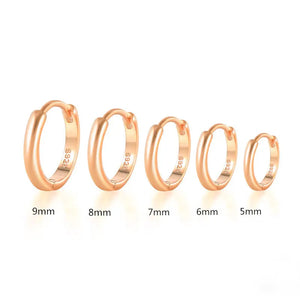
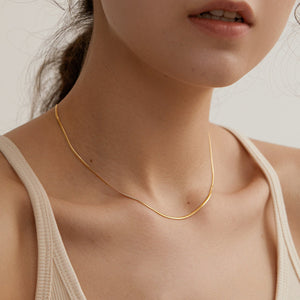
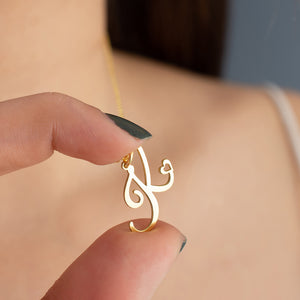

The piece they're describing → Boucles d'oreilles créoles dorées pour femme – Argent sterling 925, plaqué or 18 carats, hypoallergéniques
Personalize Yours


