


- Nickel is the #1 cause of navel piercing irritation — "hypoallergenic" only means something when the metal is verified nickel-free, not just labeled that way.
- For a fresh or healing piercing, implant-grade titanium (ASTM F136) or solid 316L surgical steel is the safest choice — not silver, gold, or "surgical steel" of unknown grade.
- Once fully healed, you have more flexibility — nickel-free 925 sterling silver or 18K gold-plated charms and dangles can be worn against skin that's no longer an open wound.
- Red flags: itching, a rash that mirrors the jewelry's shape, or greenish discoloration around the piercing all point to a metal allergy, most often nickel.
- AJLuxe doesn't currently carry a dedicated navel/piercing jewelry line — its hypoallergenic 925 sterling silver + 18K gold plating is built for earrings, necklaces, rings, and bracelets.
- The Association of Professional Piercers, not marketing copy, is the real authority on piercing-safe metal standards.
If your belly button piercing itches, turns red, or has been "healing" for eight months with no end in sight, the jewelry itself is a likely suspect. Navel piercings sit in a fold of skin that stays warm, damp, and under constant friction from waistbands — exactly the conditions that make a marginal metal go from "fine for a few weeks" to "actively reacting." Here's what actually makes navel jewelry hypoallergenic, and what to check before you buy.
What Makes Navel Jewelry Hypoallergenic?
A navel barbell or ring is genuinely hypoallergenic only when it's made from a metal that doesn't release nickel or other reactive ions into the surrounding skin. In practice, that's a short list: implant-grade titanium meeting ASTM F136 or ISO 5832-3, and solid 316L or 316LVM surgical steel that's certified nickel-free (not just "stainless," which can still contain nickel). Anything labeled "hypoallergenic" without a metal grade or standard behind it is a marketing word, not a spec.
Comparing Metals for Navel Jewelry
Not every "safe" metal is equally safe for the same stage of healing. Here's how the common options stack up:
| Metal | Nickel content | Safe for fresh piercing? | Best use |
|---|---|---|---|
| Implant-grade titanium (ASTM F136) | None | Yes — gold standard | Initial and long-term wear |
| 316L/316LVM surgical steel (solid, certified) | Trace, alloyed (not free-releasing) | Yes, if certified nickel-free | Initial and long-term wear |
| Nickel-free 925 sterling silver | None | Not recommended while healing | Healed piercings only |
| 18K gold plating over sterling silver | None in the plating layer | Not recommended while healing | Healed piercings, dangles/charms |
| Generic "surgical steel" / costume metal | Often present, unregulated | No | Avoid |
Why Nickel Causes Belly Button Piercing Irritation
Nickel causes navel piercing irritation because it's the most common metal allergen in jewelry, and the navel's warm, sweaty, friction-heavy environment accelerates how much of it leaches into skin. Sweat acts as an electrolyte that corrodes lower-grade alloys faster than it would on, say, an earlobe, releasing nickel ions that trigger an immune response in sensitized skin. That's why a barbell that seemed fine for the first two weeks can start a reaction at week six — it's often a slow-building sensitization, not an instant one.
Fresh Piercing vs. Healed Navel Jewelry: Different Rules
The metal rules for navel jewelry change once the piercing is fully healed, because a healed fistula is skin, not an open wound. During healing (commonly 3-12 months for navel piercings, often on the longer end), the jewelry sits inside a wound tract that's actively repairing itself, so it needs to be biocompatible implant-grade titanium or solid surgical steel — no exceptions, regardless of how "hypoallergenic" a silver or gold-plated option is marketed as. After the piercing is healed, the calculus shifts: you're now dealing with external skin contact rather than an internal wound, which is where nickel-free sterling silver or gold-plated dangles and charms become a reasonable option for people without a diagnosed nickel allergy.
Signs Your Navel Jewelry Is Causing an Allergic Reaction
The clearest sign of a metal allergy at a navel piercing is a rash, itch, or discoloration that follows the exact shape of the jewelry rather than spreading randomly. Other common signs include persistent redness that doesn't fade after the first few weeks, flaking or crusty skin around (not just at) the piercing site, a green or black tarnish mark on the skin, and bumps that thicken rather than shrink over time. Any of these warrants swapping to implant-grade titanium and, if symptoms persist, seeing a dermatologist rather than assuming it will resolve on its own.
How to Shop for Hypoallergenic Navel Jewelry
Shopping for hypoallergenic navel jewelry means checking the metal grade printed on the listing, not the word "hypoallergenic" on its own.
- Look for "ASTM F136," "implant grade," or "ISO 5832-3" for titanium — these are verifiable standards, not adjectives.
- For steel, confirm it says "316L" or "316LVM" and is sold by a piercer-focused retailer, not a generic accessory brand.
- Avoid anything listed only as "surgical steel" with no grade — this phrase has no legal definition and is used loosely.
- Save gold-plated or sterling silver dangle pieces for after full healing, and only if you don't have a known nickel allergy.
- Buy from a retailer that publishes its metal sourcing, not one that only shows the finished photo.
Where AJLuxe Fits In
AJLuxe doesn't currently carry a dedicated navel or piercing jewelry line, so it isn't the right source for the initial titanium or surgical steel barbell your piercer should fit. What AJLuxe does build is hypoallergenic 925 sterling silver and 18K gold-plated jewelry for earrings, necklaces, rings, and bracelets — the same nickel-free standard that matters for a healed navel piercing, just applied to categories outside of body jewelry. If you're past the healing stage and want a nickel-free, skin-friendly piece for everyday wear elsewhere, that's the collection to check; for the belly ring itself, a specialty piercing retailer or your original piercer is the right call.
For general guidance on metal safety and healing timelines, the Association of Professional Piercers publishes free, piercer-vetted aftercare and jewelry standards.
Frequently Asked Questions
Can you wear sterling silver in a new belly piercing?
No — sterling silver isn't recommended for a fresh or healing navel piercing because it can tarnish, oxidize, and react with the wound environment; implant-grade titanium or solid surgical steel is the standard for new piercings, with silver reserved for after the piercing is fully healed.
What metal is best for sensitive belly button piercings?
Implant-grade titanium (ASTM F136) is the best metal for sensitive belly button piercings because it's biocompatible, doesn't contain or release nickel, and is what most professional piercers use for both initial and long-term jewelry.
How do I know if I'm allergic to my navel ring?
You likely have a metal allergy if you notice itching, a rash shaped exactly like the jewelry, persistent redness past the normal healing window, or greenish skin discoloration around the piercing — all of these point to a nickel reaction rather than normal healing.
Is titanium or surgical steel better for navel piercings?
Both implant-grade titanium and certified solid 316L surgical steel are considered safe for navel piercings, but titanium is generally preferred for extra-sensitive skin since it has zero nickel content, while steel is an alloy that still contains trace nickel bound within the metal.
How long until I can change my navel jewelry?
Most navel piercings need 3 to 12 months to fully heal before it's safe to change the jewelry, and healing time varies enough by individual that it's worth confirming with your piercer before switching, especially if you plan to switch to a non-implant-grade metal like sterling silver or gold plating.
Toutes les marques, noms de marque et noms de produits tiers sont la propriété de leurs détenteurs respectifs. AJLuxe n’est affilié à aucune marque tierce citée dans cet article, ni approuvé ou sponsorisé par celle-ci. Les noms de marque sont utilisés uniquement à des fins de comparaison factuelle, et les descriptions de matériaux reflètent les spécifications produit publiées par chaque marque au moment de la rédaction.
You Might Also Like
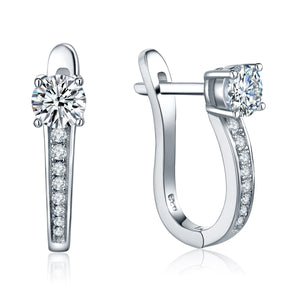

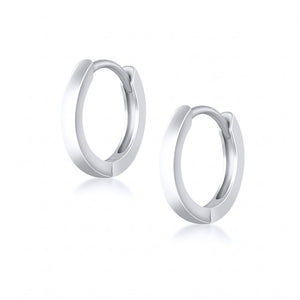
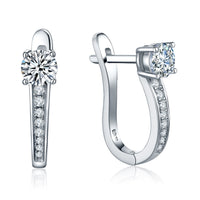
The piece they're describing → Boucles d'oreilles créoles en moissanite pour femme — Argent sterling 925, taille brillant, hypoallergéniques
Personalize Yours


