


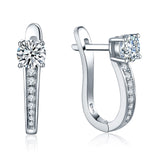
- Tarnish is a chemical reaction between metal and sulfur or moisture in the air — it is not dirt, and it is not permanent damage.
- Airtight storage (a zip-top bag or lined box) is the single most effective habit; an anti-tarnish strip or silica packet adds extra protection.
- Take jewelry off before showering, swimming, working out, or applying perfume, lotion, or hairspray — moisture and chemicals speed up tarnish dramatically.
- Wearing jewelry regularly actually slows tarnish, because skin oils create a light protective barrier; pieces left untouched in a drawer for months often tarnish faster than pieces worn weekly.
- 18K gold plating resists tarnish better than untreated sterling silver because the gold layer covers the reactive silver base underneath.
- Tarnish can almost always be reversed with the right polish or cloth — it is rarely permanent unless a piece has been neglected for years.
Tarnish is the dark, dull, sometimes yellowish film that forms on silver and silver-based jewelry when the metal reacts with sulfur compounds and moisture in the air. It is not a sign of a defective piece and it is not the same as damage — it is chemistry, and chemistry can be managed. The good news is that almost every fix comes down to nine repeatable habits, not a single miracle product. Here is what actually slows or stops tarnish, in order of how much difference each one makes.
1. Store It in an Airtight Bag or Container
Sealing jewelry away from open air is the single most effective way to prevent tarnish, because tarnish requires airborne sulfur and moisture to react with the metal. A zip-top plastic bag with the air pressed out, a lined jewelry box with a tight lid, or a small airtight container all work — the goal is simply cutting off the piece's exposure to circulating air when it's not being worn. Tossing jewelry loose into an open dish or drawer is one of the fastest ways to accelerate tarnish, even indoors. For the full system — bags, boxes, compartments, and what to avoid — see our complete guide to storing jewelry properly.
2. Add an Anti-Tarnish Strip or Silica Packet
An anti-tarnish strip or silica gel packet placed inside your storage bag absorbs the moisture and sulfur compounds that cause tarnish before they reach the metal. These strips are inexpensive, last for months, and are widely sold in jewelry-care sections — drop one into the same bag or box you are already using for airtight storage and it works passively in the background. Silica packets that come packed with shoes or supplements work just as well; save them instead of throwing them out.
3. Keep Jewelry Away From Humidity (Bathroom, Pool, Gym)
Humid environments speed up tarnish because moisture in the air reacts with silver faster than dry air does, so storing jewelry in a steamy bathroom or leaving it in a gym bag works against every other habit on this list. Choose a dry drawer, closet, or dresser over a bathroom cabinet for everyday storage, and never leave pieces near a humidifier, an open window in a coastal climate, or a damp gym locker.
4. Take It Off Before Showering, Swimming, or Sweating
Chlorine, salt water, and sweat all contain compounds that react with metal and accelerate tarnish, so the simplest prevention step is removing jewelry before you shower, swim, or work out. Chlorinated pool water is especially aggressive on silver and plated pieces, and sweat's salt content has a similar corrosive effect over repeated exposure. Get in the habit of taking rings, earrings, and necklaces off and placing them in the same spot every time, so this doesn't become the step you skip.
5. Avoid Contact With Perfume, Lotion, and Hairspray
Perfume, lotion, hairspray, and other cosmetic products contain alcohol and chemical compounds that react with metal surfaces and speed up tarnish, so the right order of operations is: get dressed and finish your beauty routine first, then put your jewelry on last. This one habit change alone noticeably extends how long plated and sterling silver pieces stay bright, since it removes the daily chemical exposure entirely rather than trying to clean it off after the fact.
6. Store Pieces Separately, Not in a Pile
Storing jewelry in a tangled pile lets pieces scratch each other and lets faster-tarnishing metals transfer sulfur exposure to pieces stored next to them, so separating each item into its own compartment, pouch, or slot protects both the finish and the plating. A jewelry box with individual compartments, small anti-tarnish pouches, or even separate zip bags per piece all solve this — the point is preventing metal-on-metal contact during storage, not just after wear.
7. Wear It Regularly (Yes, Really)
Wearing jewelry regularly actually slows tarnish, because the natural oils on skin create a light protective layer that reduces the metal's direct exposure to air. This is why a ring worn daily often looks better after a year than an identical ring left untouched in a drawer — the piece that sits unworn and unsealed tarnishes faster, not slower. If you have pieces you rotate infrequently, that's exactly where airtight storage (step 1) matters most.
8. Clean It the Right Way, Right Away
Wiping jewelry with a soft, lint-free polishing cloth after each wear removes the oils, residue, and moisture that would otherwise sit on the metal and accelerate tarnish overnight. For light tarnish, a dedicated silver polishing cloth restores shine in seconds without any liquid or chemicals; for more visible tarnish, a mild soap-and-warm-water soak followed by a thorough pat-dry works for most sterling silver and gold-plated pieces. Avoid paper towels, which can micro-scratch soft metal and plating, and skip abrasive pastes or baking-soda scrubs on plated jewelry specifically, since aggressive rubbing can wear through a thin gold layer faster than tarnish would have dulled it.
9. Choose Tarnish-Resistant Metals and Platings
Some metals and finishes resist tarnish far better than others, so choosing the right one up front reduces how much maintenance a piece needs long-term. Gold — including 18K gold plating over a sterling silver base — doesn't react with air the way untreated silver does, which is why gold-plated pieces generally stay brighter for longer between cleanings than plain sterling silver. Stainless steel resists tarnish even better since it's engineered to resist oxidation, though it doesn't have the same warmth or luxury feel as plated jewelry. Here's how the common options compare:
| Metal / Finish | Tarnish Speed | Why | Best For |
|---|---|---|---|
| Untreated 925 sterling silver | Fast without care | 92.5% silver reacts readily with sulfur and moisture | Anyone who cleans and stores regularly |
| 925 silver with 18K gold plating | Slower | Gold layer shields the reactive silver base | Lower-maintenance daily wear |
| Stainless steel | Very slow | Engineered to resist oxidation | Gym, travel, minimal upkeep |
| Costume / base-metal jewelry | Fastest | Thin or no protective plating over reactive alloys | Occasional wear only |
18K gold plating option
Nickel-free, safe for daily wear
Boxed, no extra charge
Insured shipping, easy returns
Which Anti-Tarnish Habit Should You Actually Start With?
Start with airtight storage plus an anti-tarnish strip — it's the one habit that protects every piece you own with almost no daily effort, and it's the step most people skip. Layer in taking jewelry off before water and cosmetics, and wiping it down after wear, and tarnish stops being a recurring problem instead of something you fight after the fact. If you'd rather reduce the maintenance itself, lean toward pieces with 18K gold plating over a 925 sterling silver base for the items you wear most often — the gold layer means less frequent polishing, while every AJLuxe piece is still hypoallergenic and nickel-free underneath. Whichever finish you choose, pair it with these nine habits and a quality piece will genuinely hold its shine for years, not months.
For pieces that hold up to that, browse AJLuxe's waterproof jewelry collection.
Already dealing with tarnish rather than trying to prevent it? See our silver tarnish removal guide for safe removal methods, including what to avoid on plated pieces.
Frequently Asked Questions
How do you seal jewelry so it doesn't tarnish?
Seal jewelry by storing it in an airtight zip-top bag or a lined box with the lid fully closed, ideally with an anti-tarnish strip or silica packet inside. This blocks the air and moisture exposure that causes tarnish in the first place, rather than trying to remove tarnish after it forms.
Can you reverse tarnished jewelry?
Yes, tarnished jewelry can almost always be reversed with a silver polishing cloth for light tarnish or a gentle soap-and-water clean followed by polishing for heavier buildup. Tarnish sits on the surface of the metal rather than damaging it structurally, so it's rarely permanent unless a piece has been severely neglected for years.
Does clear nail polish stop jewelry from tarnishing?
Clear nail polish can temporarily slow tarnish by sealing air away from the metal's surface, but it's not a long-term fix — it wears unevenly, yellows over time, and traps moisture underneath if it chips, which can actually worsen tarnish in spots. Airtight storage and an anti-tarnish strip are more reliable and don't risk damaging the piece's finish.
How do you stop jewelry from tarnishing?
Stop jewelry from tarnishing by storing it in an airtight container away from humidity, removing it before water or cosmetics touch it, and wiping it down with a soft cloth after each wear. Choosing a tarnish-resistant finish like 18K gold plating for your most-worn pieces reduces how often you need to do any of this in the first place.
Does sterling silver tarnish faster than gold-plated jewelry?
Yes, untreated 925 sterling silver typically tarnishes faster than jewelry with 18K gold plating, because the gold layer sits between the air and the reactive silver base underneath. Once a gold-plated piece wears down to bare silver at high-friction points, that exposed area can tarnish at the same rate as unplated silver.
Is it bad to shower with jewelry on?
Yes, showering with jewelry on speeds up tarnish because hot water, steam, and soap residue all react with metal surfaces and strip away natural skin oils that would otherwise offer some protection. Taking rings and necklaces off before showering is one of the easiest habits on this list to build.
Toutes les marques, noms de marque et noms de produits tiers sont la propriété de leurs détenteurs respectifs. AJLuxe n’est affilié à aucune marque tierce citée dans cet article, ni approuvé ou sponsorisé par celle-ci. Les noms de marque sont utilisés uniquement à des fins de comparaison factuelle, et les descriptions de matériaux reflètent les spécifications produit publiées par chaque marque au moment de la rédaction.
You Might Also Like
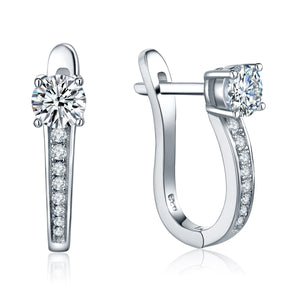
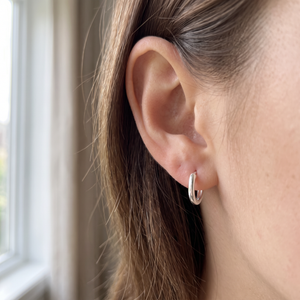

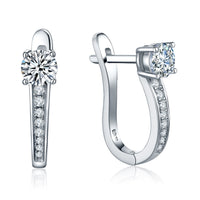
The piece they're describing → Boucles d'oreilles créoles en moissanite pour femme — Argent sterling 925, taille brillant, hypoallergéniques
Personalize Yours


