


- 10kt gold contains 41.7% pure gold (10 out of 24 parts) — the rest is alloy metal.
- The 58.3% alloy portion is typically copper, silver, zinc, or palladium, and sometimes nickel.
- 10K is the legal minimum karat that can be marketed as “gold” jewelry in the US, per FTC guidelines.
- For comparison: 14K = 58.3% gold, 18K = 75% gold, 24K = 99.9% pure gold.
- Lower gold content makes 10K the most durable and most affordable of the common karats — but also the lowest per-gram resale value.
- AJLuxe doesn't sell solid 10kt gold — its pieces are 925 sterling silver with 18K gold plating, which gives the gold look at a lower price point without alloy trade-offs.
“10K” stamped inside a ring band isn't a brand name or a style — it's a fineness mark, a direct statement of how much actual gold is in the metal versus how much is filler. Gold in its pure 24-karat form is too soft for everyday jewelry, so manufacturers alloy it down with harder metals, and the karat number tells you exactly how much of that mix is still gold. Here's the full math, what's actually mixed in, how 10K stacks up against the other common karats, and what that purity means for value.
What Percentage of Gold Is Actually in 10kt Gold?
10kt gold is 41.7% pure gold by weight. The karat system is a 24-part scale — pure gold is 24 karat — so 10 karat simply means 10 of those 24 parts are gold: 10 ÷ 24 = 0.4166, rounded to 41.7%. You'll often see this expressed as a millesimal stamp, “417,” inside the band alongside or instead of “10K.”
What Metals Are Mixed Into 10kt Gold?
The other 58.3% of 10kt gold is typically copper, silver, zinc, or palladium, chosen to add strength, adjust color, and control cost. Copper pushes the finished alloy toward a warmer, slightly rosy tone and adds hardness; silver and zinc lighten the color and help durability; palladium is sometimes used in white-gold alloys instead of nickel. Because 10K jewelry is majority non-gold metal, it's also the karat most likely to include nickel as part of the mix in cheaper or older pieces — a real consideration if you have metal sensitivities, since nickel is a common trigger for contact dermatitis.
10kt vs 14kt vs 18kt vs 24kt Gold: Which Purity Is Right for You?
Higher karat numbers mean more pure gold and a softer, more valuable metal; lower karat numbers mean more alloy, more durability, and a lower price. Here's how the common karats compare side by side.
| Karat | Stamp | Fraction Gold | % Pure Gold | Best For |
|---|---|---|---|---|
| 10K | 10K / 417 | 10/24 | 41.7% | Everyday durability, lowest cost |
| 14K | 14K / 585 | 14/24 | 58.3% | Balance of durability and gold content (most common in the US) |
| 18K | 18K / 750 | 18/24 | 75% | Richer color, fine jewelry, occasional wear |
| 22K | 22K / 916 | 22/24 | 91.6% | Traditional/ceremonial pieces, minimal wear |
| 24K | 24K / 999 | 24/24 | 99.9% | Bullion, investment, not everyday wear |
How Much Is 10kt Gold Worth?
10kt gold is worth 41.7% of the current gold spot price per gram, since that's the actual gold content being valued — the rest of the weight is alloy metal with negligible melt value. Gold's spot price changes throughout every trading day, so there's no fixed dollar figure that stays accurate; the reliable way to price a piece is to weigh it, multiply by 0.417, and apply that day's live spot price per gram.
How Much Is 1 Gram of 10kt Gold Worth?
One gram of 10kt gold is worth 41.7% of whatever one gram of pure gold is trading for that day. Because spot price moves constantly, check a live gold price tracker for the current per-gram rate and multiply by 0.417 rather than relying on a number that was accurate yesterday.
How Much Is a 10K Gold Ring Worth in Scrap?
A 10K gold ring's scrap value is its weight in grams × 0.417 × the current spot price per gram, minus whatever margin the buyer keeps for refining and profit. Scrap and pawn buyers typically pay less than full melt value — it's standard practice, not a red flag — so get quotes from a couple of buyers and weigh the ring yourself first if you can, so you know roughly what number to expect.
Is 10 Karat Gold Worth Selling?
Yes, 10 karat gold is worth selling because it still contains real, refinable gold — it just pays out less per gram than 14K, 18K, or 24K because a smaller share of its weight is actual gold. It's still worth getting a quote, especially on heavier pieces, but don't expect scrap value anywhere close to what a same-weight 18K or 24K item would bring.
Is 10K or 24K Gold Better?
Neither is universally “better” — 24K has far more gold and higher resale value, while 10K is more durable and more affordable for daily wear, so the right choice depends on what you're using it for. 24K gold is soft enough to scratch, dent, and lose shape with regular wear, which is why it's more common in bullion and investment pieces than in rings or bracelets worn every day. 10K trades purity for toughness and price, making it a practical pick for jewelry that has to survive daily life rather than sit in a safe.
Should You Buy Solid 10kt Gold or Gold-Plated Sterling Silver?
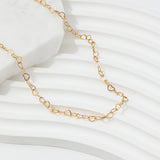
If you want the gold look for everyday jewelry without paying solid-gold prices or dealing with alloy metals like nickel, gold-plated sterling silver is the better buy — and it's what AJLuxe makes. Even at 41.7% purity, solid 10kt gold jewelry costs meaningfully more than a plated piece because you're still paying for real gold content plus alloy metals and casting. AJLuxe's Heart Choker Necklace ($28.99) is 925 sterling silver with 18K gold plating — hypoallergenic, nickel-free, and gift-boxed as standard — so you get the same warm gold tone as a 10K piece at a fraction of the cost, with none of the scratch-and-scrap tradeoffs that come with wearing solid gold daily. If your priority is investment value or a piece you'll pass down, solid karat gold still makes sense; if your priority is everyday wear that looks right and won't irritate sensitive skin, plated sterling silver is the more practical choice.
Source: Federal Trade Commission Jewelry Guides, which set US minimum karat fineness standards for jewelry marketed as “gold” — ftc.gov.
Frequently Asked Questions
How much is 1 gram of 10kt gold worth?
One gram of 10kt gold is worth 41.7% of that day's spot price for one gram of pure gold. Check a live gold price tracker and multiply by 0.417, since spot price changes throughout every trading day.
How much is a 10K gold ring worth in scrap?
A 10K ring's scrap value is its weight in grams multiplied by 0.417 and by the current spot price per gram, minus the buyer's margin. Weigh the ring yourself if possible and compare quotes from more than one buyer before selling.
Is 10 karat gold worth selling?
Yes — 10 karat gold still contains real gold and holds scrap value, it just pays less per gram than 14K, 18K, or 24K because less of its weight is pure gold. It's worth getting a quote, especially on heavier pieces.
Is 10K or 24k gold better?
Neither is better outright: 24K has more gold and higher value but is soft and easily scratched, while 10K is more durable and affordable for daily wear but contains less gold. Pick based on whether you need durability or purity.
What does the 10K stamp mean on jewelry?
A 10K stamp (sometimes shown as “417”) means the piece is 41.7% pure gold by weight, alloyed with other metals for strength. It's a fineness mark required for legitimate gold jewelry, not a brand or style name.
Is 10kt gold hypoallergenic?
Not necessarily — because 10kt gold is majority alloy metal, some 10K pieces include nickel, a common trigger for skin irritation. If you have sensitive skin, look for jewelry explicitly labeled nickel-free, such as AJLuxe's hypoallergenic 925 sterling silver pieces, rather than assuming any 10K item is safe to wear.
Toutes les marques, noms de marque et noms de produits tiers sont la propriété de leurs détenteurs respectifs. AJLuxe n’est affilié à aucune marque tierce citée dans cet article, ni approuvé ou sponsorisé par celle-ci. Les noms de marque sont utilisés uniquement à des fins de comparaison factuelle, et les descriptions de matériaux reflètent les spécifications produit publiées par chaque marque au moment de la rédaction.
You Might Also Like
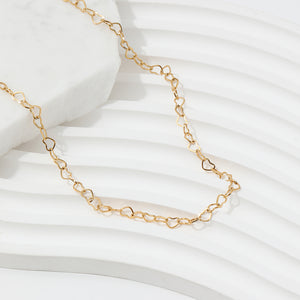

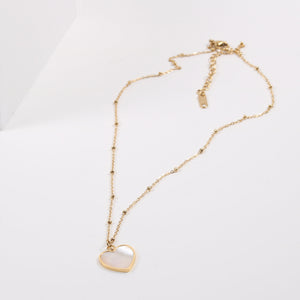
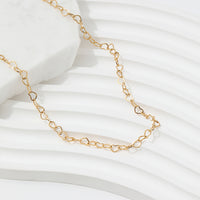
The piece they're describing → Collier ras du cou cœur pour femme — Plaqué or 18 carats, chaîne tennis cœur évidé, hypoallergénique
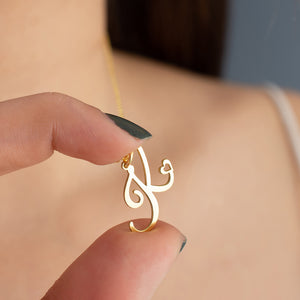
Personalize Yours


