


- Sterling silver is 92.5% silver plus 7.5% copper alloy — the copper, not the silver, is what stains skin green
- Green residue is a chemical reaction (sweat, skin pH, lotion, perfume), not an allergic reaction and not proof the silver is fake
- Fine silver (999) and high-karat solid gold rarely cause green stains because they contain little or no copper
- 18K gold plating over sterling silver acts as a barrier layer, so it resists skin discoloration as long as the plating stays intact
- Soap and water removes green stains from skin instantly; a polishing cloth or baking-soda paste handles tarnish on the jewelry itself
- Removing sterling silver before showering, swimming, or hot tubs slows tarnishing and extends plating life
If you've ever pulled off a ring or a pair of earrings to find a faint green or grey-green smudge on your skin underneath, you're not imagining it and your jewelry isn't necessarily fake. It's one of the most-asked questions about sterling silver, and the answer comes down to basic chemistry rather than anything wrong with the piece. Here's exactly why it happens, which metals are less likely to do it, and what to do about the stain and the jewelry when it shows up.
Does Sterling Silver Turn Green on Your Skin?
Yes, sterling silver can turn skin green, and it's the copper in the alloy — not the silver — that's responsible. Pure silver is too soft to hold its shape in rings, earrings, or bracelets, so jewelers mix in about 7.5% copper to create the durable 92.5% alloy known as 925 sterling silver. When that copper is exposed to sweat, humidity, or acidic skin oils, it oxidizes and forms copper salts, which are green. Those salts can transfer onto skin the same way a coin leaves a faint discoloration on your palm.
Why Does Sterling Silver Turn Skin Green?
Sterling silver turns skin green because of a chemical reaction between the copper in the alloy and acids on your skin's surface — not because of an allergy or defect. Everyone's skin has a slightly different pH, and that pH changes with sweat, humidity, exercise, and even the soap, lotion, sunscreen, or perfume you're wearing. More acidic skin, more humid conditions, and residue from certain skincare products all accelerate the reaction, which is why the same ring can leave a mark on one person and never touch another. Chlorinated water and saltwater speed it up further, which is part of why jewelers routinely recommend taking sterling silver off before swimming.
Is My Sterling Silver Real If It Turns Skin Green?
Yes — a green stain is not a reliable way to tell if sterling silver is real, because both genuine 925 silver and cheap fake silver-plated jewelry can cause it. Genuine sterling silver turns skin green because of its legitimate copper content; low-quality costume jewelry does it because a thin silver or rhodium plating over a brass or copper base has worn through, exposing the reactive metal underneath directly to your skin — often producing a darker, more persistent stain. If you want to confirm authenticity, look for a ".925" hallmark stamped on the piece rather than relying on skin discoloration.
What Metal Doesn't Turn Skin Green?
Fine silver, high-karat solid gold, gold-plated silver, titanium, and surgical-grade stainless steel are the metals least likely to turn skin green, because none of them expose a significant amount of reactive copper to your skin. Fine silver (999) is 99.9% pure silver with almost no copper, so it rarely reacts — but it's too soft for everyday rings and bracelets, which is why it's uncommon in wearable jewelry. High-karat gold (18K and up) contains a smaller percentage of base-metal alloy, so it reacts less than lower-karat gold. Sterling silver with an 18K gold plating layer avoids the problem for as long as the plating stays intact, since the gold layer — not the copper underneath — is what touches your skin.
Sterling Silver vs Other Metals: Which Ones Turn Skin Green?
Here's how the most common jewelry metals compare on green-stain risk, alloy content, and everyday durability.
| Metal | Copper/base-metal content | Green-stain risk | Everyday durability |
|---|---|---|---|
| 925 Sterling silver | 7.5% copper alloy | Moderate | High |
| Fine silver (999) | Under 0.1% | Very low | Low (too soft for daily wear) |
| 18K gold-plated sterling silver | Copper alloy, sealed under gold layer | Very low while plating is intact | High |
| Solid gold (14K-18K) | Lower alloy % at higher karats | Low | High |
| Surgical stainless steel | No copper | Very low | Very high |
| Fashion jewelry (brass/plated base) | High copper, thin or worn plating | High | Low |
How to Clean Sterling Silver That Has Turned Green
Clean green stains off sterling silver with warm water and a mild soap first, then address any tarnish with a dedicated silver polishing cloth. For the skin itself, plain soap and water removes green residue instantly. For the jewelry: wash it gently with a soft cloth and mild dish soap, dry it completely, then buff with a silver polishing cloth for light tarnish. For deeper tarnish, a paste of baking soda and a little water applied with a soft cloth, then rinsed and dried thoroughly, lifts most oxidation without scratching the metal. Avoid toothpaste, harsh chemical dips, and abrasive cloths on gold-plated pieces, since they can wear through the plating layer.
Can You Shower With 925 Silver?
You can shower briefly with plain 925 sterling silver without ruining it, but it's not ideal for daily or prolonged water exposure, and it's not recommended at all for gold-plated pieces. Soap residue, shampoo, and hard or chlorinated water all speed up tarnishing and can dull a gold-plated finish over time. The safer habit is to take rings, earrings, and bracelets off before showering, swimming, or using a hot tub, and to put them back on once your skin and hair products have dried.
How to Prevent Green Stains and Tarnish Before They Start
Preventing green stains comes down to limiting how much your skin's moisture and chemicals contact the metal, and storing the piece correctly between wears.
- Put jewelry on last, after lotion, sunscreen, and perfume have fully absorbed into your skin
- Take rings and earrings off before showering, swimming, exercising heavily, or sleeping
- Dry pieces completely with a soft cloth before putting them away
- Store silver in an airtight bag or box with an anti-tarnish strip, away from humidity
- Wipe jewelry down with a polishing cloth every few wears rather than waiting for visible tarnish
18K gold plating option
Nickel-free, safe for daily wear
Boxed, no extra charge
Insured shipping, easy returns
Which Sterling Silver Piece Should You Choose If Green Stains Are a Dealbreaker?
If green stains or tarnish have put you off sterling silver before, choose an 18K gold-plated piece over plain silver — the gold layer sits between the copper alloy and your skin, so it's the more forgiving option for daily wear. AJLuxe's Gold Hoop Earrings ($31.99) are built on hypoallergenic 925 sterling silver with an 18K gold plating layer, so you get the durability of solid sterling with a lower risk of skin discoloration. If you know your skin doesn't react and you simply prefer the cooler tone, plain sterling silver hoops are just as good a choice — either way, keeping pieces dry, stored properly, and off during showers and swims is what actually determines how long they stay stain- and tarnish-free.

The Federal Trade Commission's Jewelry Guides set the legal U.S. standard defining what can be marketed as "sterling silver" (minimum 92.5% pure silver) — see ftc.gov for more on precious metal marking standards.
Frequently Asked Questions
Is my sterling silver real if it turns skin green?
Yes — green skin discoloration doesn't confirm or rule out authenticity, since genuine 925 sterling silver and cheap silver-plated fakes can both cause it. Look for a ".925" hallmark to verify real sterling silver instead.
What kind of silver doesn't turn green?
Fine silver (999, nearly pure silver with almost no copper) is far less likely to turn skin green than sterling silver, but it's too soft for most everyday jewelry. Gold-plated sterling silver also avoids the issue as long as the plating layer stays intact.
How to clean sterling silver that has turned green?
Wash the green residue off skin with plain soap and water, and clean the jewelry with a soft cloth and mild dish soap, then buff tarnish away with a silver polishing cloth or a gentle baking-soda paste. Dry the piece completely before storing it.
Can you shower with 925 silver?
You can shower briefly with plain 925 sterling silver without damaging it, but daily water and soap exposure speeds up tarnishing, and it's best avoided altogether with gold-plated pieces. Removing jewelry before showering extends how long it stays polished.
Does gold-plated jewelry turn skin green?
Gold-plated sterling silver is much less likely to turn skin green than plain sterling silver because the gold layer acts as a barrier over the reactive copper alloy underneath. It can still happen if the plating wears thin over years of heavy use.
Is sterling silver hypoallergenic?
Sterling silver is generally considered hypoallergenic and nickel-free, making it a safe choice for sensitive skin, though the copper alloy can still cause the separate, non-allergic green-stain reaction described above. A true nickel allergy is a different issue from ordinary copper-based green staining.
Related reading: 4 Best Anklets Under $40 (2026): Sterling Silver Picks That Won't Turn Green.
Related reading: see our breakdown of 925 sterling silver's price per gram.
Toutes les marques, noms de marque et noms de produits tiers sont la propriété de leurs détenteurs respectifs. AJLuxe n’est affilié à aucune marque tierce citée dans cet article, ni approuvé ou sponsorisé par celle-ci. Les noms de marque sont utilisés uniquement à des fins de comparaison factuelle, et les descriptions de matériaux reflètent les spécifications produit publiées par chaque marque au moment de la rédaction.
You Might Also Like

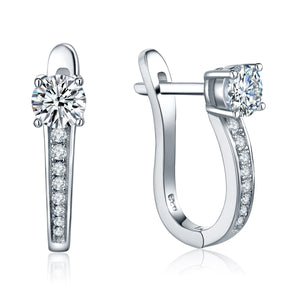
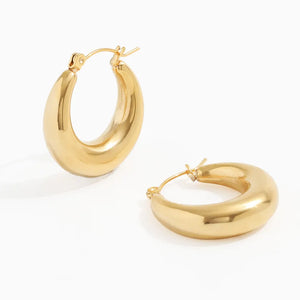
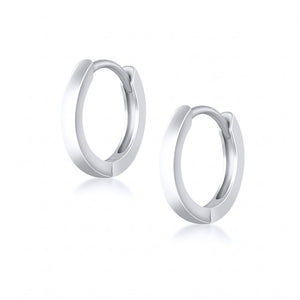

The piece they're describing → Boucles d'oreilles créoles dorées pour femme – Argent sterling 925, plaqué or 18 carats, hypoallergéniques
Personalize Yours


