


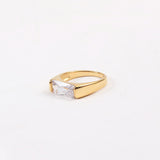
- Kate Spade jewelry is fashion jewelry: a brass or zinc-alloy base plated with 12K/14K gold, rose gold, or rhodium, not solid gold or sterling silver
- Kate Spade's own customer service confirms the plating can tarnish eventually -- it's a known, expected characteristic, not a manufacturing defect
- Buyer experience is genuinely mixed: some report a year of clean daily wear, others see discoloration or a shift to dark brown within weeks to a few months
- Some wearers report green or dark skin discoloration once the plating wears thin enough to expose the base metal underneath
- Tarnish from normal wear is typically not covered under Kate Spade's warranty, which addresses manufacturing defects, not wear and tear
- Storing pieces away from water, lotion, and air, and removing them before showering or swimming, meaningfully slows the process
Kate Spade built its jewelry line around playful, colorful, on-trend design at approachable price points -- and "does it tarnish" is one of the most-searched questions about the brand, right alongside "is it real gold." The honest answer starts with understanding what the jewelry is actually made of, what Kate Spade itself says about it, and what you can realistically do to slow tarnish down once it starts.
Does Kate Spade Jewelry Tarnish?
Yes, Kate Spade jewelry can tarnish, and Kate Spade's own customer service has confirmed this directly to buyers: the jewelry is fashion jewelry, and like any plated metal, it can eventually tarnish due to the delicate nature of the pieces and differences in individual body chemistry. Reported experiences vary widely -- some buyers who purchase directly from Kate Spade say a piece can go a full year of frequent wear without visible tarnish, while others, especially those buying from third-party or resale sellers, describe pieces darkening or turning brown within two weeks to five months. That range isn't a contradiction; it reflects how much plating thickness, wear frequency, and moisture exposure genuinely vary from piece to piece and buyer to buyer.

Why Does Kate Spade Jewelry Tarnish?
Kate Spade jewelry tarnishes because most pieces are built on a brass or zinc-alloy base with a thin layer of gold, rose gold, or rhodium plated on top, rather than being solid precious metal all the way through. Brass and zinc alloys oxidize when they meet air, moisture, and skin oils, and once the thin plating layer above them wears down from friction -- a ring rubbing against other rings, a bracelet catching on fabric, a necklace clasp brushing skin -- that oxidation becomes visible as discoloration or a dulled, brassy cast. The thinner the plating and the more direct contact a piece gets, the sooner the base metal underneath has a chance to show through.
Is Kate Spade Jewelry Real Gold?
No, most Kate Spade jewelry is not solid gold -- the majority of the catalog is gold-plated brass or zinc alloy, meaning a thin layer of real 12K or 14K gold sits over a base metal rather than the piece being solid gold throughout. Plating is a legitimate, industry-standard way to achieve a gold look at a fashion-jewelry price point, and that outer layer does contain genuine gold, but it behaves very differently over time than solid or gold-filled jewelry, since the base metal is only ever one layer away from being exposed.
What Is Kate Spade's Jewelry Warranty and Return Policy?
Kate Spade offers a limited warranty on jewelry that generally covers manufacturing defects for a set period, not normal wear and tear -- and tarnish that develops from everyday wear typically falls under that wear-and-tear exclusion rather than qualifying as a defect. Its published return policy centers on returns and exchanges within 30 days of purchase or delivery with valid proof of purchase. Warranty terms, return windows, and coverage details are the kind of thing brands revise, so check the current policy on katespade.com directly before buying or before assuming a tarnished piece will be covered.
Can Kate Spade Jewelry Turn Your Skin Green?
Yes, some wearers report a green or dark tint on their skin after wearing Kate Spade rings, bracelets, or necklaces, and this is a known reaction with base-metal fashion jewelry generally. It happens when sweat and skin oils react with the brass, copper, or zinc underneath the plating -- something that becomes more likely once the plating layer has worn thin enough for the base metal to make direct, repeated contact with skin. It isn't a sign of anything dangerous, just a visible cue that the plating is wearing through.
Is Kate Spade Jewelry Good Quality?
Kate Spade sits in the fashion-jewelry tier: the designs are distinctive and well-made for the category, but the plated pieces aren't engineered for indefinite daily wear the way solid gold or sterling silver with a thicker protective plating is. That's a fair tradeoff rather than a flaw -- the price point reflects a thinner plating layer over a base-metal core, so "well-designed fashion jewelry with an expected plating lifespan" is a more accurate read than "built to last a lifetime of daily wear."

Kate Spade vs Kendra Scott vs AJLuxe: Which Holds Up Better?
Kendra Scott generally sits a step above Kate Spade's core plated pieces on tarnish resistance because more of its catalog runs on rhodium-plated brass with a heavier plating process, though its own gold-plated lines still face the same eventual wear-through as any plating over base metal. Here's how the three compare on material rather than price, since material is what actually drives tarnish speed:
| Brand | Typical base metal | Outer layer | Tarnish resistance |
|---|---|---|---|
| Kate Spade | Brass or zinc alloy | 12K/14K gold, rose gold, or rhodium plating | Low to medium -- varies a lot by piece and wear |
| Kendra Scott | Brass | Rhodium or gold plating | Medium -- generally holds up longer than thinner plating |
| AJLuxe | 925 sterling silver | 18K gold plating | Medium to high -- plating sits over silver rather than brass or zinc |
How to Slow Down Tarnish on Plated Jewelry
The single most effective habit is to put jewelry on last and take it off first -- after makeup, perfume, and lotion, and before showering, swimming, sleeping, or cleaning. A few other habits meaningfully extend the life of any plated piece, Kate Spade or otherwise:
- Store each piece separately in a sealed pouch or lined box rather than loose in a dish or drawer, since air and humidity drive oxidation
- Wipe pieces with a soft, dry cloth after wear to remove oils and residue before they sit on the metal overnight
- Avoid chlorine and saltwater entirely -- pools and the ocean are two of the fastest ways to strip a thin plating layer
- Let lotion, sunscreen, and perfume fully absorb or dry before putting jewelry back on
18K gold plating option
Nickel-free, safe for daily wear
Boxed, no extra charge
Insured shipping, easy returns
Which Jewelry Should You Buy If You Want to Avoid Tarnish?
If tarnish resistance matters more to you than a specific brand name, look for gold plating over a 925 sterling silver base rather than brass or zinc -- the silver underneath is more chemically stable, so the piece holds its color longer between the surface wearing thin and the base metal showing through. AJLuxe's 18K Gold Plated Statement Ring — Tarnish-Resistant CZ uses that same genuine 18K gold plating built for everyday durability, which matters as much for longevity as it does for looks. It won't outlast solid gold forever, but it's a meaningfully sturdier everyday option than plating over brass, at a comparable price point.
Frequently Asked Questions
Does Kate Spade jewelry tarnish easily?
It can, especially with frequent wear, water exposure, or contact with perfume and lotion -- Kate Spade's own customer service describes its jewelry as fashion jewelry that, like any plated metal, can eventually tarnish. Some buyers report a year or more of clean wear; others see discoloration within weeks to a few months, largely depending on body chemistry, how often the piece is worn, and where it was purchased.
What is Kate Spade jewelry made of?
Most Kate Spade jewelry is built on a brass or zinc-alloy base plated with a thin layer of 12K or 14K gold, rose gold, or rhodium -- not solid gold or sterling silver. That plating is what gives pieces their gold or silver look at an accessible price point, and it's also the layer that eventually wears through with regular contact and friction.
Can Kate Spade jewelry turn your skin green?
Yes, some wearers report green or dark discoloration on their skin, which is a common reaction with base-metal fashion jewelry -- sweat and skin oils react with the brass or zinc underneath once the plating has worn thin enough to expose it. It's not dangerous, but it is a sign the plating is wearing through.
Is Kate Spade jewelry covered under warranty if it tarnishes?
Generally, no. Kate Spade's warranty covers manufacturing defects for a limited period, not normal wear and tear, and tarnish from regular wear typically falls into that excluded category. Always check the current warranty terms on katespade.com before assuming a tarnished piece qualifies for a claim.
How can I make Kate Spade jewelry last longer without tarnishing?
Put it on last and take it off first -- after makeup, perfume and lotion, and before showering, swimming, or sleeping -- and store each piece in a sealed pouch away from air and moisture. These habits slow down, but don't fully prevent, the eventual wear-through that any plated jewelry experiences.
Related reading: see our full Kate Spade jewelry alternatives if you're ready to shop a different brand outright.
For an alternative built for water from the start, see our water-resistant jewelry collection -- 925 sterling silver, from $31.99, with the limits of each piece stated on the page.
Written by the AJLuxe Team. Last updated: September 2026. This guide is independent and is not affiliated with, endorsed by, or sponsored by Kate Spade New York. Material and policy claims about Kate Spade are sourced from Kate Spade's own support and warranty pages, and from customer-service statements and buyer reviews reported by Zappos, Reddit, and TikTok as of September 2026.
Toutes les marques, noms de marque et noms de produits tiers sont la propriété de leurs détenteurs respectifs. AJLuxe n’est affilié à aucune marque tierce citée dans cet article, ni approuvé ou sponsorisé par celle-ci. Les noms de marque sont utilisés uniquement à des fins de comparaison factuelle, et les descriptions de matériaux reflètent les spécifications produit publiées par chaque marque au moment de la rédaction.
You Might Also Like
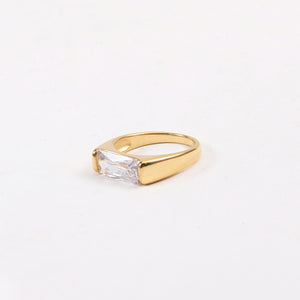
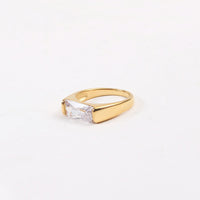
The piece they're describing → Bague en plaqué or 18 carats pour femme — Bague audacieuse en zircone cubique, résistante au ternissement
Personalize Yours


