


- eNewton's core bracelets and necklaces are 14K gold-fill or sterling silver — not solid gold.
- Gold-fill is mechanically bonded and far thicker than gold plating, so it tarnishes and fades more slowly, but not never.
- Chlorine, saltwater, perfume, and lotion are the biggest causes of dulling on gold-fill and tarnishing on silver.
- eNewton doesn't market its pieces as fully waterproof — occasional splashes are fine, but daily pool or ocean wear isn't recommended long-term.
- A gentle polishing cloth and keeping chemicals off the metal is usually enough to bring the shine back.
- 18K gold-plated sterling silver (like AJLuxe's pieces) is a genuinely tarnish-free, nickel-free alternative at a lower price point if you want to skip the maintenance entirely. See our eNewton alternatives guide for the full stacking-ring comparison.
eNewton built its following on stackable bead bracelets and the kind of everyday layering jewelry people wear and never take off — which is exactly why "does eNewton tarnish" is such a common search. Jewelry you wear daily meets soap, sweat, sunscreen, and chlorine daily, and that's where gold-fill and sterling silver behave differently from solid gold. Here's what actually happens to eNewton pieces over time, whether the brand's gold claims hold up, and what to do if yours has already dulled.
Does eNewton Tarnish?
Yes, eNewton jewelry can tarnish or dull, though more slowly than cheap gold-plated jewelry because of what it's made from. eNewton's sterling silver pieces are subject to the same natural oxidation as any sterling silver — silver reacts with sulfur compounds in air, skin oil, and household products, forming a grey-to-black tarnish layer. Its gold-fill pieces don't tarnish the same way, since the gold layer itself doesn't oxidize, but the bonded gold layer can thin from friction and chemical exposure over years, letting the base metal underneath show through or the color shift duller. Neither problem shows up overnight; both show up gradually with heavy daily wear near water, lotion, and perfume.
Is eNewton Real Gold?
No — most eNewton pieces are 14K gold-fill or gold vermeil, not solid gold, though the brand also sells sterling silver styles. Gold-fill is a real, regulated category: US labeling standards (enforced by the Federal Trade Commission) require gold-filled jewelry to contain a mechanically bonded layer that's at least 1/20th (5%) of the item's total weight in karat gold — a genuine layer, not a dip, which is why it holds up better than typical gold plating. It's still not solid gold all the way through, so it will not have the same lifetime durability as a 14K or 18K solid gold piece, and it can eventually show base metal at high-friction points like clasps and bracelet backs after years of wear.
Is eNewton Waterproof?
No, eNewton doesn't market its jewelry as fully waterproof, though it can handle incidental water exposure like handwashing or light rain. Sterling silver tarnishes faster with repeated water exposure, and chlorinated pool water and salt water are particularly hard on both the silver and the bonded gold layer in gold-fill pieces, since chlorine is one of the fastest ways to strip or discolor a gold layer. Occasional exposure won't ruin a piece, but making it a daily habit will shorten how long the finish lasts.
Can You Wear eNewton Jewelry in the Shower?
You can, but it's not recommended for regular use. A quick rinse won't damage the metal, but shampoo, soap, and hot water residue build up in the same way lotion and perfume do, dulling the gold-fill layer and accelerating silver tarnish over weeks of daily showering with the jewelry on. If you want jewelry you genuinely never have to think about in the shower or pool, that's the specific gap gold-fill and traditional plating don't close — it's what tarnish-free platings are built to solve.
Does eNewton Fade?
Yes, eNewton pieces can fade, most noticeably on gold-fill styles that see constant sun, sweat, and product exposure. Fading on gold-fill looks like a gradual shift from warm gold to a flatter, slightly paler tone as the bonded layer thins at contact points — the inside of a bracelet against a wrist, or a clasp that rubs against a watch. Sterling silver doesn't "fade" in the same sense, but its tarnish can look like fading if it sets in evenly rather than in dark spots.
How Long Do eNewton Bracelets Last?
Most owners report years of wear from eNewton bracelets with reasonable care, but exact lifespan depends heavily on how often you swim, shower, and apply lotion or perfume while wearing them. Pieces kept dry and wiped down occasionally tend to hold their finish the longest; pieces worn constantly in water or with heavy skincare/fragrance use are the ones people report needing to replace or re-plate soonest, sometimes within a year or two. There's no fixed number the brand publishes — it's a range driven by wear habits, not a fixed warranty period.
What to Do If Your eNewton Bracelet Is Tarnished
Clean it gently rather than scrubbing it — aggressive cleaning is the fastest way to wear through a thin gold-fill layer. A few steps that work for most tarnished gold-fill or silver bracelets:
- Wipe the piece with a soft, dry polishing cloth first — this alone often removes light surface tarnish.
- For sterling silver, use a cloth or solution specifically labeled for silver, never an abrasive one, and avoid submerging gold-fill pieces in silver dip, which can strip the gold layer.
- Dry the piece fully before storing it, ideally in a small airtight bag or box, away from direct sunlight and humidity.
- Take it off before swimming, showering, exercising, or applying lotion, perfume, or sunscreen going forward — prevention matters more than any cleaning method after the fact.
- If the gold layer has visibly worn through to the base metal at a contact point, cleaning won't reverse it — that's a sign the piece needs replacing.
Gold-Fill vs. Gold-Plated vs. Solid Gold: How Do They Actually Compare?
The honest comparison is about gold layer thickness and bonding method, not brand names — here's how the categories eNewton and AJLuxe each use stack up.
| Material | What it actually is | Tarnish resistance | Water tolerance | Typical price |
|---|---|---|---|---|
| Sterling silver (untreated) | 92.5% silver, 7.5% alloy | Low — tarnishes with air/skin exposure | Low — water speeds tarnish | $ |
| Gold-filled (eNewton's core material) | Bonded gold layer, min. 5% of weight, over base metal | Moderate — doesn't tarnish, can fade/thin over years | Moderate — occasional exposure fine, daily not ideal | $$ |
| 18K gold-plated 925 sterling silver (AJLuxe) | Thin gold layer over solid sterling silver base | High when the plating is tarnish-treated — silver base doesn't corrode through the plating | Higher — built for daily/beach wear | $$ |
| Solid 14K/18K gold | Gold all the way through | Highest — nothing to wear through | Highest | $$$$ |
For the FTC's actual labeling definitions of gold-filled versus gold-plated jewelry, see the Federal Trade Commission: https://www.ftc.gov.
18K gold plating option
Nickel-free, safe for daily wear
Boxed, no extra charge
Insured shipping, easy returns
Which Tarnish-Resistant Bracelet Should You Choose?
If you want the look eNewton is known for without babying it around water and lotion, go with 18K gold-plated 925 sterling silver over gold-fill or untreated silver — the sterling base doesn't corrode the way thin gold layers can thin out, and it's built to handle daily wear without the maintenance routine. (See what a "tarnish-resistant" claim actually means before you shop by that label alone.) The Waterproof Gold Bracelet for Women — 18K Gold Plated, Adjustable, Beach-Ready ($31.99) is made for exactly the situations that wear eNewton pieces down fastest: pool days, beach trips, and daily wear without taking it off. It's hypoallergenic and nickel-free like every AJLuxe piece, arrives gift-ready, and costs less than most single gold-fill bracelets. If your eNewton pieces are already showing wear, this is a low-risk way to add a tarnish-free piece to the same stack rather than replacing everything at once.
Frequently Asked Questions
What to do if my eNewton bracelet is tarnished?
Wipe it with a soft polishing cloth first, use a product made specifically for silver on silver pieces (never on gold-fill), dry it fully before storing, and keep it away from water, lotion, and perfume going forward — if the gold layer has already worn through to the base metal, cleaning won't reverse that and the piece needs replacing.
Can you wear eNewton jewelry in the shower?
You can rinse it briefly without immediate damage, but regular showering with it on speeds up silver tarnish and gold-fill fading, so it's better to take it off for daily showers if you want it to last.
Does eNewton fade?
Yes, gold-fill eNewton pieces can fade or dull at contact points like clasps and the inside of bracelets as the bonded gold layer gradually thins from friction, sweat, and product exposure.
How long do eNewton bracelets last?
Most last a few years with reasonable care, but heavy daily exposure to water, lotion, and perfume can shorten that to a year or less, while pieces kept dry and wiped down periodically tend to hold their finish longest.
Is eNewton real gold?
Most eNewton pieces are 14K gold-fill or gold vermeil rather than solid gold — gold-fill has a real, regulated minimum gold content bonded to a base metal, but it isn't gold all the way through like a solid gold piece.
Is eNewton waterproof?
No, eNewton doesn't market its jewelry as waterproof — occasional splashes are fine, but regular exposure to pool chlorine, salt water, or showers will wear down the finish faster over time.
Related reading: Does Alex and Ani Tarnish? The Honest Answer (2026).
If you are looking for pieces that hold up to water rather than a specific brand, our water-resistant collection gathers the AJLuxe styles built for pool, shower and beach wear, in 925 sterling silver.
Toutes les marques, noms de marque et noms de produits tiers sont la propriété de leurs détenteurs respectifs. AJLuxe n’est affilié à aucune marque tierce citée dans cet article, ni approuvé ou sponsorisé par celle-ci. Les noms de marque sont utilisés uniquement à des fins de comparaison factuelle, et les descriptions de matériaux reflètent les spécifications produit publiées par chaque marque au moment de la rédaction.
You Might Also Like
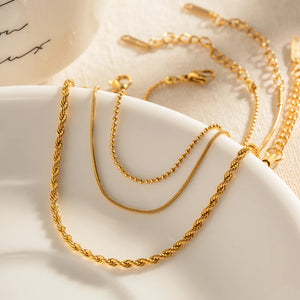
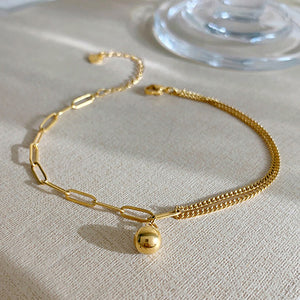
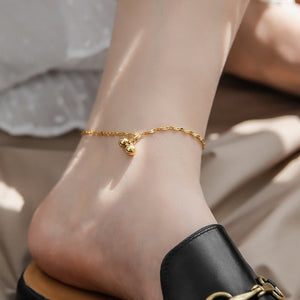
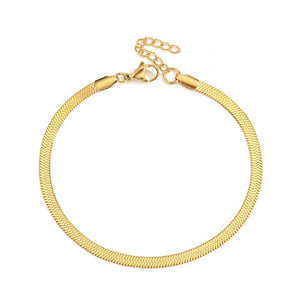

The piece they're describing → Bracelet en or étanche pour femme — Plaqué or 18 carats, Ajustable, Idéal pour la plage
Personalize Yours


