


- 925 silver tarnishes because of its 7.5% copper content reacting with sulfur in air, skin, and chemicals — pure silver alone barely tarnishes but is too soft for jewelry.
- Tarnish is reversible surface discoloration, not corrosion — it doesn't weaken or destroy the metal underneath.
- A "925" stamp means 92.5% real silver, the same international standard used by every legitimate sterling silver maker.
- Humidity, chlorine, lotion, and daily shower wear all speed up tarnishing; dry storage and occasional wear slow it down.
- Wiping with a polishing cloth or a quick soap-and-water clean restores shine in minutes — no special tools required.
- 18K gold-plated 925 silver tarnishes less on the visible surface since the plating shields the silver, but the plating itself can wear thin with heavy chemical exposure.
If you've noticed a ring or a pair of hoops turning dull gray or black in the back of a drawer, you're not imagining it and the piece isn't defective — that's exactly what 925 sterling silver does, and exactly what pure silver, gold, and platinum jewelry owners have dealt with for centuries. The question isn't really whether 925 silver tarnishes (it does), it's how fast, why, and what you can actually do about it. Here's the full picture, including how it stacks up against the other metals you're probably comparing it to.
Does 925 Silver Tarnish?
Yes, 925 silver tarnishes — it's built into the alloy itself. Sterling silver is defined as 92.5% pure silver combined with 7.5% other metal, almost always copper, because pure silver on its own is too soft to hold a ring shape or earring post. That copper is what reacts with airborne sulfur compounds (from pollution, rubber, wool, even some perfumes) to form silver sulfide — the dark film you see as tarnish. Every legitimate 925-stamped piece, from a $20 pair of studs to a $2,000 designer bracelet, will tarnish eventually because they're all the same alloy underneath.
Why Does Sterling Silver Turn Black?
Sterling silver turns black when its copper content reacts with sulfur-containing substances — polluted air, chlorinated water, sweat, latex, and some skincare products — building up a thicker layer of silver sulfide than the light gray haze of early-stage tarnish. The speed depends heavily on your environment: humid coastal climates, swimming pools, and hot tubs accelerate it, while dry storage in a sealed bag slows it dramatically. Body chemistry plays a role too — some people's skin oils and pH tarnish silver noticeably faster than others', which is normal and not a sign of a fake or low-quality piece.
What Does "Jewellery Stamped 925" Actually Mean?
A "925" stamp means the piece is 92.5% pure silver alloyed with 7.5% other metal (typically copper) for strength and durability — it's the global manufacturing standard for sterling silver, not a brand-specific label. You'll find the same 925 stamp on a department store chain, an estate ring, and an AJLuxe piece, because it refers to metal purity, not quality tier or price point. AJLuxe's jewelry is 925 sterling silver as standard, with some styles finished in 18K gold plating over that same silver base — always the actual base metal, never marketed as solid gold when it's plated.
How Long Does 925 Sterling Silver Last?
925 sterling silver lasts indefinitely as a metal — it doesn't corrode away, rust, or structurally break down, and a well-made piece can realistically be worn and passed down for decades or generations. What changes over time is only the surface: tarnish builds up when the piece sits unworn or is exposed to sulfur and moisture, and that layer comes right back off with cleaning. The metal you're polishing today is the same silver that was there on day one — nothing is lost, just temporarily dulled.
Can You Wear 925 Silver in the Shower?
You can wear 925 silver in the shower occasionally without ruining it, but making it a daily habit will speed up tarnishing and, on gold-plated pieces, can wear down the plating faster than normal. Hot water, soap residue, and shampoo/conditioner chemicals all contribute to a duller finish over time. The safer habit is to take rings, earrings, and necklaces off before showering, swimming, or sitting in a hot tub, and to towel-dry anything that does get wet before putting it back in a jewelry box.
Can 925 Silver Turn Black?
Yes, 925 silver can turn black, especially with heavy sulfur or chemical exposure, prolonged unworn storage, or contact with chlorinated water — but black tarnish is still just a surface reaction, not corrosion or metal loss. It looks alarming compared to the light yellow-gray of early tarnish, but it responds to the same fix: a silver polishing cloth, or a soak in mild soap and warm water followed by a soft-cloth buff, both lift it off in minutes.
Why Is 925 Silver So Cheap?
925 silver is inexpensive relative to gold mainly because silver's raw material cost is a small fraction of gold's, not because 925-stamped jewelry is lower quality. A genuine 925 stamp guarantees 92.5% real silver content by international standard regardless of the price tag — the affordability comes from the metal market, not a shortcut in the alloy. That's also why sterling silver with 18K gold plating can deliver a gold look at a fraction of solid gold's price: you're paying for a thin layer of real gold over genuine sterling silver, not diluted gold underneath.
925 Silver vs Other Metals: Tarnish Resistance Compared
925 sterling silver tarnishes faster than stainless steel and solid gold, but it also costs far less and takes a shine back on with almost no effort — the tradeoff is maintenance, not durability.
| Metal | Tarnish Tendency | Typical Price Range |
|---|---|---|
| 925 sterling silver | Tarnishes over weeks-months without care; fully reversible | $ |
| Fine silver (999) | Tarnishes more slowly than 925 but is too soft for everyday rings | $$ |
| 18K gold-plated 925 silver | Visible surface resists tarnish while plating is intact; plating can wear over years of heavy contact | $-$$ |
| Stainless steel | Highly tarnish-resistant, low-maintenance | $ |
| Solid 14K/18K gold | Very tarnish-resistant, doesn't oxidize like silver | $$$$ |
How to Prevent and Remove Tarnish from 925 Silver
You can slow 925 silver tarnish significantly with simple storage habits, and remove it in minutes when it does happen. Store pieces in a sealed anti-tarnish pouch or airtight box rather than an open dish — air and humidity are what drive the reaction. Take jewelry off before showering, swimming, working out, or applying lotion and perfume, since moisture and chemicals accelerate tarnish. Wear pieces regularly rather than leaving them boxed for months; skin contact and light friction actually keep silver brighter than sitting untouched in a drawer. When tarnish does appear, buff it out with a dedicated silver polishing cloth, or wash gently with mild soap and warm water and dry immediately with a soft cloth — avoid harsh chemical dips on gold-plated pieces, since they can strip the plating along with the tarnish.
18K gold plating option
Nickel-free, safe for daily wear
Boxed, no extra charge
Insured shipping, easy returns
Is 925 Silver Still Worth Buying Despite Tarnish?
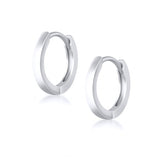
Yes — 925 silver is worth buying because tarnish is a cosmetic, fully reversible surface reaction, not a defect or a sign the piece is wearing out, and a couple of minutes with a polishing cloth restores the shine every time. If you want a piece that resists visible tarnish a little longer between polishes while still being genuine 925 sterling silver, AJLuxe's Silver Hoop Earrings ($31.99) are solid 925 sterling silver, hypoallergenic and nickel-free, and arrive gift-boxed — an easy everyday piece that's honest about what it's made of and simple to keep looking new.
Shop the Red Heart Stud Earrings
925 sterling silver studs set with a heart-cut red cubic zirconia in an open 3-prong basket — unplated, nickel-free, butterfly back.
Shop the Red Heart Stud Earrings →That's a different question from whether silver-plated jewelry tarnishes, which involves a thin plating layer rather than solid metal; see our does silver-plated jewelry tarnish guide for that distinction.
Frequently Asked Questions
How long does 925 sterling silver last?
925 sterling silver lasts indefinitely as a metal — it doesn't corrode or wear out structurally, and pieces cared for properly can be worn for decades or passed down; only surface tarnish comes and goes, and that's reversible with cleaning.
Can you wear 925 silver in the shower?
You can wear 925 silver in the shower occasionally without damage, but daily shower wear speeds up tarnishing and can wear down gold plating faster, so it's best to remove it before showering, swimming, or hot tub use.
Can 925 silver turn black?
Yes, 925 silver can turn black when its copper content reacts heavily with sulfur compounds or chlorinated water, but this is surface tarnish, not damage, and it comes off with a polishing cloth or a gentle soap-and-water clean.
Why is 925 silver so cheap?
925 silver is inexpensive mainly because silver's raw material cost is far lower than gold's, not because the jewelry is lower quality — a genuine 925 stamp guarantees 92.5% real silver content no matter the price.
What does a jewellery stamped 925 mean?
A 925 stamp means the piece is 92.5% pure silver alloyed with 7.5% other metal, usually copper, for added strength — it's the international standard for sterling silver, used on affordable and high-end pieces alike.
Does gold-plated 925 silver tarnish the same way as plain silver?
Gold-plated 925 silver resists visible tarnish better while the plating is intact, since the gold layer shields the silver underneath, but the plating can wear thin with heavy chemical exposure or years of daily friction, eventually exposing the silver base to normal tarnishing.
Toutes les marques, noms de marque et noms de produits tiers sont la propriété de leurs détenteurs respectifs. AJLuxe n’est affilié à aucune marque tierce citée dans cet article, ni approuvé ou sponsorisé par celle-ci. Les noms de marque sont utilisés uniquement à des fins de comparaison factuelle, et les descriptions de matériaux reflètent les spécifications produit publiées par chaque marque au moment de la rédaction.
You Might Also Like
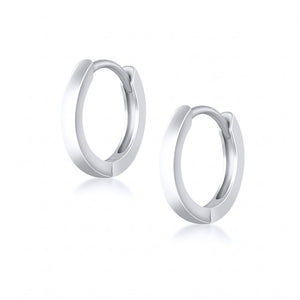
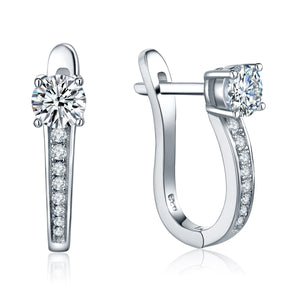
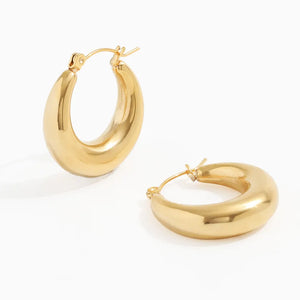

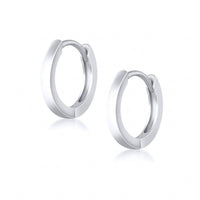
The piece they're describing → Boucles d'oreilles créoles argentées pour femme — Argent sterling 925, hypoallergéniques, minimalistes
Personalize Yours


