


- Sapphire is the modern, official September birthstone; lapis lazuli is the traditional/ancient alternative.
- Sapphire is a form of corundum and comes in nearly every color, not just blue — pink, yellow, white, and padparadscha (pink-orange) are all genuine sapphires.
- Sapphire rates 9 on the Mohs hardness scale, making it one of the toughest gemstones for everyday jewelry, second only to diamond.
- Lapis lazuli is much softer (around 5 to 6 on Mohs) and opaque, so it suits earrings and pendants better than rings worn daily.
- Sapphire's durability and wide color range are why it's a common choice for gold-plated sterling silver settings — the stone can handle daily wear even when the metal underneath is silver, not solid gold.
- September's zodiac signs, Virgo and Libra, both traditionally pair with sapphire as a supporting gemstone.
If you were born in September, you technically have two birthstones to choose from, not one — and they could not be more different in hardness, history, or how they wear day to day. Sapphire gets the modern spotlight because jewelers standardized birthstone lists in the early 1900s, but lapis lazuli had already been tied to September for centuries before that, prized by ancient Egyptians and Mesopotamians long before the word “sapphire” existed. Here's what actually separates the two, and which one makes sense for the piece you're buying.
What Are the Two Birthstones for September?
The two birthstones for September are sapphire (the modern birthstone) and lapis lazuli (the traditional or ancient birthstone). Sapphire took over as the official September stone once major jewelry trade groups standardized a single modern list in the early 20th century, but lapis lazuli remains the recognized historical alternative and is still sold and marketed as a September stone today, especially in gift and birthstone jewelry collections.
What Is the Natural Birthstone for September?
The natural, modern birthstone for September is sapphire. It's a naturally occurring gem-quality variety of the mineral corundum, the same mineral family as ruby (ruby is simply corundum with a different trace element giving it red color instead of blue). Natural sapphire forms deep within the earth under intense heat and pressure, and fine natural stones are cut and polished from rough crystal rather than grown or manufactured.
What Is the Alternative Birthstone for September?
The alternative birthstone for September is lapis lazuli, a metamorphic rock rather than a single mineral. Lapis gets its rich blue color mainly from the mineral lazurite, and the small gold-toned flecks running through it are usually pyrite, which is part of what makes each piece of lapis look slightly different from the next. It's been associated with September and with royalty and spirituality since ancient times, well before sapphire was formally assigned the month.
Sapphire vs. Lapis Lazuli: Which September Birthstone Is Right for You?
Sapphire and lapis lazuli both read as “September blue,” but they behave completely differently once they're set in jewelry. The table below breaks down the practical differences.
| Trait | Sapphire | Lapis Lazuli |
|---|---|---|
| Type | Mineral (corundum) | Rock (mainly lazurite + pyrite) |
| Hardness (Mohs) | 9 | 5 to 6 |
| Transparency | Transparent to translucent | Opaque |
| Colors | Blue, pink, yellow, white, padparadscha, and more | Deep blue with gold pyrite flecks |
| Best for | Rings, everyday wear | Earrings, pendants, occasional wear |
| Birthstone status | Modern/official | Traditional/ancient alternative |
September Birthstone Colors: Is Sapphire Always Blue?
No, sapphire is not always blue — blue is simply the most famous color, but genuine sapphire occurs in pink, yellow, white (colorless), green, purple, and the rare pink-orange padparadscha. Any color of corundum other than red counts as sapphire; red corundum is classified as ruby instead. This is one of the more surprising facts for September babies who assume they're limited to a single shade of blue.
September Birthstone Meaning and History
Sapphire has long been associated with wisdom, loyalty, and protection, and its name comes from the Latin “sapphirus” and Greek “sappheiros,” both referring to blue stones. Lapis lazuli carries an even older story: ancient Egyptians ground it into pigment and jewelry, and it was mined in what's now Afghanistan thousands of years before sapphire was catalogued as a distinct gem. Both stones are tied to the September zodiac signs, Virgo (August 23 to September 22) and Libra (September 23 to October 22), which traditionally lean on sapphire as a supporting stone.
What Is the 3 Rarest Birthstone Months?
There's no single official ranking of the rarest birthstone months, since rarity depends on which specific gem variety you're talking about, but gemologists and jewelers most often point to June, December, and September as containing some of the hardest-to-source stones. That's because June's alternate stone alexandrite changes color depending on the light and is scarce in fine quality, December's tanzanite comes from a single mining region in Tanzania, and September's rarest sapphire variety, padparadscha, is prized precisely because natural pink-orange sapphire in that exact tone is uncommon. Treat this as a general reputation among rare-stone specialists rather than a formal industry ranking.
How to Shop for September Birthstone Jewelry
Shop based on how you'll wear the piece, not just the color you like. Sapphire's 9 Mohs hardness makes it a safe choice for a ring you'll wear daily, while lapis lazuli's softer, opaque nature makes it better suited to earrings, pendants, or occasional-wear pieces where it won't knock against hard surfaces. Either stone looks striking set in 925 sterling silver with 18K gold plating, which keeps the piece hypoallergenic and gift-ready without the price tag of solid gold — AJLuxe's pieces run $24.99 to $79.99, and the base metal is always sterling silver with genuine gold plating, never solid gold, so it's worth knowing that distinction before you buy any “gold” birthstone piece online. AJLuxe carries September birthstone jewelry directly: the September Birthstone Necklace in Sapphire Blue ($59.99) and the Sapphire Teardrop Pendant ($34.99), both 925 sterling silver — browse the full September birthstone collection. For a genuine investment-grade sapphire or lapis stone, a jeweler specializing in gemstone settings is still the right call.
Learn more about gemstone grading and identification from the Gemological Institute of America: gia.edu.
Frequently Asked Questions
What are the two birthstones for September?
The two birthstones for September are sapphire, the modern official birthstone, and lapis lazuli, the traditional or ancient alternative recognized before jewelry trade groups standardized a single modern list in the early 1900s.
What is the 3 rarest birthstone months?
There's no official ranking, but June, December, and September are the months most often cited by gemologists for containing especially rare stone varieties: alexandrite (June), tanzanite (December), and padparadscha sapphire (September).
What is the natural birthstone for September?
The natural birthstone for September is sapphire, a gem-quality variety of the mineral corundum that forms naturally underground and is cut from rough crystal rather than manufactured.
What is the alternative birthstone for September?
The alternative birthstone for September is lapis lazuli, a deep-blue metamorphic rock flecked with pyrite that has been associated with the month since ancient Egyptian and Mesopotamian times.
You Might Also Like
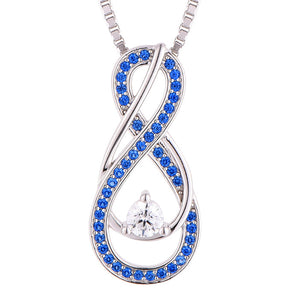
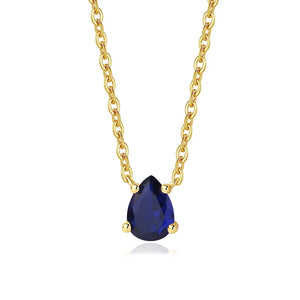
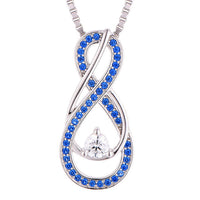
The piece they're describing → Collier de naissance de septembre pour femme - Pendentif infini saphir bleu en argent sterling 925
Personalize Yours

