


Jewelry auction sites serve a genuinely different purpose than a standard jewelry retailer — they're built around unique, often pre-owned or estate pieces where competitive bidding and specialist appraisal matter, not standardized inventory at a fixed price. This guide covers how the major named platforms actually work, what to verify before bidding, and when buying (or selling) through an auction makes sense versus a regular store.
Who Actually Uses a Jewelry Auction Site
Sellers tend to fall into two groups: people liquidating an inherited or estate collection who want a fair, market-tested price rather than a quick lowball cash offer, and people upgrading or replacing a piece (a larger diamond, a different style) who'd rather sell competitively than trade it in directly to a jeweler at a markdown. Buyers skew toward two groups as well — collectors and resellers looking for a specific cut, era, or maker at below-retail cost, and everyday shoppers willing to trade some certainty (a fixed price, guaranteed availability) for the chance at a better deal on a unique piece.
How Jewelry Auction Sites Work
Worthy specializes in diamond and fine-jewelry resale, pairing an independent appraisal with an auction-style sale to professional buyers rather than the general public. EBTH (Everything But The House) and Alex Cooper run broader estate-sale auctions that include jewelry among furniture and other estate items. JTV Auctions runs more traditional live-bid jewelry lots. Each charges the seller a commission (often 15–25%) rather than the buyer, and final sale price depends entirely on bidder demand for that specific piece on that specific day — unlike a fixed retail price, there's no guarantee of what a piece sells for.
Understanding the Full Fee Picture
A jewelry auction's advertised commission rate rarely tells the whole story — many platforms also charge listing fees, photography or appraisal fees deducted from the final payout, and payment processing fees on top of the headline percentage. Before committing a piece to any specific platform, ask for (or find in their published terms) the complete fee breakdown against a realistic estimated sale price, not just the top-line commission number, since two platforms advertising similar commission rates can net a seller meaningfully different amounts once every fee is accounted for.
What to Check Before Bidding as a Buyer
- Is there an independent appraisal or certification? Reputable platforms provide grading documentation for diamonds and gemstones; if a listing has none, treat the described quality as unverified.
- What's the buyer's premium? Many auction platforms add a percentage on top of the winning bid — factor that into your real total cost before bidding, not after winning.
- Is there a return policy? Auction sales are frequently final; confirm this before assuming you can return a piece that doesn't match its description.
Documentation Worth Gathering Before You List
Original purchase receipts, prior appraisals, certification paperwork for any stone, and even old insurance policy listings all strengthen a piece's auction listing and can meaningfully affect the final price, since they reduce the buyer's uncertainty about authenticity and quality. If you're selling an inherited piece with no paperwork at all, a fresh independent appraisal before listing is worth the cost — an undocumented piece typically sells for less than an identical one with verified provenance, simply because bidders are pricing in more risk.
Selling Through an Auction vs. a Direct Buyer
Auctions tend to net a seller a better price than a direct pawn-style buyer specifically for higher-value diamond and fine jewelry, since competitive bidding among specialist buyers can push the price up — but the process takes longer (appraisal, listing, auction period, payout) than an instant cash offer, and the commission cuts into the final payout regardless.
What Actually Sells Well at a Jewelry Auction
Certified diamonds and colored gemstones with independent grading reports consistently perform best in an auction format, since bidders can trust the documentation without physically inspecting the piece — competitive bidding works precisely because buyers have confidence in what they're bidding on. Signed or branded designer pieces (a recognizable maker's mark) and vintage or antique jewelry with documented provenance also do well, since both carry a story and verifiable rarity that a generic modern piece doesn't. Plain, undocumented costume or fashion jewelry with no certification and no notable maker tends to perform poorly at auction relative to just selling it through a general marketplace, since there's little for competing bidders to differentiate on.
Understanding the Appraisal Step
Most reputable jewelry auction platforms require an independent appraisal before listing, which serves two purposes: it sets a realistic reserve price (the minimum the seller will accept) and gives bidders confidence in the described quality. Appraisal typically takes anywhere from a few days to a few weeks depending on the platform and item complexity, and most platforms deduct the appraisal cost from the final sale rather than charging it upfront — worth confirming with the specific platform before committing an item, since this varies.
When an Auction Isn't the Right Fit
For everyday or gift-priced jewelry — a $30–80 pair of earrings or a bracelet, not an estate diamond ring — an auction platform's commission structure and unpredictable pricing don't make sense against a standard retailer's fixed price. Auctions exist to find the right price for a unique or high-value piece through competition; a mass-produced, replaceable item doesn't benefit from that mechanism the way a one-of-a-kind estate piece does.
Where AJLuxe Fits
AJLuxe isn't an auction platform and doesn't sell through one — it's a fixed-price retailer for new, hypoallergenic 925 sterling silver and 18K gold-plated jewelry (plus a 316L stainless steel men's line) at $24.99–$79.99. If you'd rather skip appraisals and bidding entirely and know the price upfront, that's the more direct route for everyday and gift jewelry; if you're evaluating an inherited or estate piece specifically, an auction platform with real appraisal credentials is the better tool for that different job.
Timing an Auction Sale
Jewelry auction results can vary meaningfully by season and by which specific auction a piece lands in, since final price depends on who happens to be bidding that day, not just the piece's objective value. Pieces tied to a specific trend (a particular cut or era style currently in demand) tend to do better listed while that trend is active rather than waiting; broadly classic pieces (simple solitaire settings, plain gold bands) are less time-sensitive and can be listed whenever it's convenient for the seller. If a platform offers a choice between a live-bid event and a longer online-only auction window, a longer window generally reaches more potential bidders, which tends to produce a better final price for a higher-value piece, at the cost of a slower payout.
Online Jewelry Auctions: Common Questions
- What is the best online jewelry selling site?
- For pre-owned fine jewelry and diamonds specifically, auction-style platforms like Worthy tend to net better prices than a direct buyer thanks to competitive bidding; for lower-value or handmade pieces, a broader marketplace like eBay or Etsy reaches more buyers.
- Which auction house is best for jewelry?
- It depends on the piece — Worthy specializes specifically in diamonds and fine jewelry with built-in appraisal, while EBTH and Alex Cooper handle broader estate-sale jewelry lots alongside other household items.
- What is the most trusted auction site?
- Trust comes down to whether independent appraisal or certification backs the listing, not the platform's name alone — check for documented grading on any diamond or gemstone piece regardless of which site you're using.
- Which website is best for buying jewelry online?
- For unique, pre-owned, or estate pieces where you want appraisal-backed provenance, an auction platform; for new, standardized jewelry at a known price, a fixed-price retailer is the simpler and faster route.
- Do jewelry auction sites charge buyer fees?
- Many do, on top of the winning bid — a buyer's premium is common on auction platforms, so the final cost is usually higher than the hammer price alone. Check each platform's specific fee structure before bidding.
- Is it safe to buy jewelry at auction online?
- Generally yes on established platforms with appraisal documentation, but the same buyer diligence applies as any online jewelry purchase — verify grading credentials and understand the return policy (often more limited than a standard retailer) before bidding.
Final Thoughts
Jewelry auction sites solve a real problem — finding the right price for a unique or high-value piece through competitive bidding — but they're the wrong tool for everyday or gift jewelry, where a fixed retail price is simpler and the commission structure doesn't make sense at that price point. For that everyday category specifically, AJLuxe sells new hypoallergenic 925 sterling silver and 18K gold-plated pieces at a known price, no bidding required.
Last updated: September 2026. Written by the AJLuxe team — specialists in personalized sterling silver jewelry.
Toutes les marques, noms de marque et noms de produits tiers sont la propriété de leurs détenteurs respectifs. AJLuxe n’est affilié à aucune marque tierce citée dans cet article, ni approuvé ou sponsorisé par celle-ci. Les noms de marque sont utilisés uniquement à des fins de comparaison factuelle, et les descriptions de matériaux reflètent les spécifications produit publiées par chaque marque au moment de la rédaction.
You Might Also Like
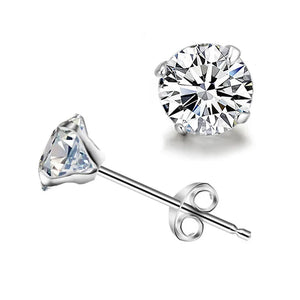
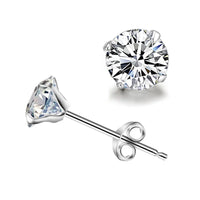
The piece they're describing → Puces d'oreilles en oxyde de zirconium pour femme — Argent sterling 925, oxyde de zirconium, hypoallergéniques
Personalize Yours


