


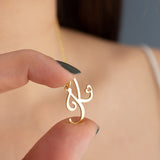
- Jewelry brands fall into four real tiers: luxury heritage, bridge/fine, demi-fine DTC, and mass-market chains — not one big "best of" list.
- Nordstrom, Saks Fifth Avenue, and Bergdorf Goodman are department stores that carry dozens of brands — they aren't jewelry brands themselves, which is why they show up confusingly in "best brand" searches.
- If you have sensitive skin, look for brands that name their exact base metal (925 sterling silver, surgical steel) rather than vague terms like "gold-tone" or "silver-plated."
- Demi-fine brands built on 925 sterling silver with 18K gold plating (AJLuxe: $24.99–$79.99) get you the fine-jewelry look without the four-figure price of solid gold.
- The FTC's Jewelry Guides require sellers to disclose plating vs. solid metal in writing — check the product description, not just the photo.
- Price alone isn't a quality signal: a $40 hypoallergenic sterling silver piece can outlast a $200 nickel-alloy "gold-tone" piece that tarnishes and irritates skin within weeks.
Searching "best jewelry brands for women" mostly surfaces two very different things mixed together: actual jewelry brands, and department stores that sell dozens of brands under one roof. That's why a Tiffany & Co. necklace, a Nordstrom storefront, and a $30 pair of hypoallergenic studs can all show up on the same "best of" list. Below is the honest breakdown — by tier, price, and who each one is actually for — so you can pick based on what you need instead of which name sounds fanciest.
The 4 Tiers of Women's Jewelry Brands
The best jewelry brands for women split into four tiers by price and materials: luxury heritage houses, bridge/fine jewelry labels, demi-fine direct-to-consumer brands, and mass-market retail chains. Knowing which tier you're shopping in matters more than any single brand name, because it tells you what materials, price, and resale value to actually expect.
| Tier | Example Brands | Typical Price | Common Materials | Best For |
|---|---|---|---|---|
| Luxury heritage | Tiffany & Co., Cartier, Van Cleef & Arpels | $$$$ | Solid gold, platinum, mined diamonds | Engagement, heirloom, investment pieces |
| Bridge / fine | David Yurman, Kendra Scott, John Hardy | $$$ | Solid gold or vermeil, semi-precious stones | Statement pieces, milestone gifts |
| Demi-fine DTC | Mejuri, Missoma, Gorjana, AJLuxe | $–$$ (AJLuxe: $24.99–$79.99) | 925 sterling silver, gold vermeil / gold plating | Everyday wear, layering, sensitive skin |
| Mass-market chains | Pandora, Kay Jewelers | $–$$$ | Mixed metals, charms, mall-focused bridal | Charm collections, in-store try-on, bridal basics |
Luxury Heritage Brands
Luxury heritage brands like Tiffany & Co., Cartier, and Van Cleef & Arpels sell solid gold and platinum pieces built for decades of wear, with prices to match their materials and brand history. These houses are the right call for engagement jewelry, milestone gifts, or pieces you want to pass down — but they're overkill if you're building a everyday-wear collection or shopping on a $50–$100 budget.
Bridge and Fine Jewelry Brands
Bridge and fine jewelry brands like David Yurman, Kendra Scott, and John Hardy sit between mass-market and true luxury, offering solid gold or heavy gold-vermeil pieces with recognizable design signatures at a lower price than heritage houses. They're a strong fit for a statement anniversary or birthday gift where you want a known name without a five-figure price tag.
Demi-Fine Direct-to-Consumer Brands
Demi-fine DTC brands built on 925 sterling silver with gold vermeil or gold plating give you the look and hand-feel of fine jewelry at a fraction of the cost, and they've become the fastest-growing category for everyday jewelry buying. Brands in this space include Mejuri, Missoma, Gorjana, and AJLuxe, which sells 925 sterling silver jewelry with 18K gold plating priced $24.99–$79.99, is made hypoallergenic for sensitive skin, and has served 40,000+ customers. The category exists specifically for people who want to wear real, well-made jewelry daily — stacking rings, layering necklaces, everyday earrings — without either the four-figure price of solid gold or the flaking, itching problems of cheap costume jewelry. You can browse AJLuxe's own current collection to see where it lands relative to the brands above.
Mass-Market Chains
Mass-market chains like Pandora and Kay Jewelers operate hundreds of physical stores and focus on charm bracelets, bridal basics, and mixed-metal pieces at accessible prices. They're convenient when you want to try a piece on in person or need a same-day bridal purchase, but their mall-retail cost structure (rent, staff, national ad campaigns) is baked into the price in a way DTC brands avoid.
Department Stores Aren't Jewelry Brands
Nordstrom, Saks Fifth Avenue, and Bergdorf Goodman are not jewelry brands — they're department stores and marketplaces that carry dozens of independent jewelry brands under one roof, which is exactly why they show up in "best jewelry brand" search results despite not making anything themselves. If a "best brands" list you're reading includes a department store name next to actual brand names like Tiffany or Mejuri, treat that as a sign the list is measuring search traffic, not actually comparing makers. When you shop through one of these retailers, you're still buying a specific brand's product — the department store is just the storefront.
How to Pick the Right Brand for You
Pick a jewelry brand by matching three things: your budget tier, your metal sensitivity, and the occasion — in that order. A $60 gift for a friend calls for a demi-fine brand, not a luxury house; a nickel-sensitive buyer should filter for hypoallergenic sterling silver or surgical steel regardless of price point; and an heirloom engagement piece justifies the heritage-brand premium in a way an everyday stacking ring doesn't.
What to Check Before You Buy, Regardless of Brand
Before buying from any jewelry brand, confirm the exact base metal in writing, not just in the marketing photos — "gold" and "gold-plated" are legally different claims, and a reputable brand states which one you're getting. Also check the return window, whether the brand states a specific alloy (e.g., 925 sterling silver vs. unspecified "silver-tone"), and whether hypoallergenic claims are backed by a stated material rather than just the word "hypoallergenic" on its own.
The U.S. Federal Trade Commission's Jewelry Guides set the actual disclosure rules brands are supposed to follow when they use terms like "gold," "gold-plated," and "sterling silver" in marketing — worth a skim if you want to know what those words are legally required to mean: FTC Jewelry Guides.
Frequently Asked Questions
What is considered a good jewelry brand for women?
A good jewelry brand for women clearly states its base metal, backs hypoallergenic claims with a named material like 925 sterling silver or surgical steel, and prices its pieces in line with what they're actually made of. Reputation alone isn't a reliable signal — a smaller demi-fine brand with transparent materials can be a better buy than a bigger name with vague marketing.
What's the difference between fine jewelry and fashion jewelry brands?
Fine jewelry uses precious metals like solid gold, platinum, or sterling silver with genuine gemstones, while fashion (costume) jewelry typically uses base-metal alloys with a thin decorative coating that wears off. Demi-fine sits between the two: real sterling silver or gold vermeil/plating over a genuine metal base, without the fine-jewelry price.
Are department stores like Nordstrom and Saks jewelry brands?
No — Nordstrom, Saks Fifth Avenue, and Bergdorf Goodman are department stores that sell many different jewelry brands, not brands themselves. Any piece you buy there is still made by a specific brand; the store is just the retail channel.
What jewelry brands are hypoallergenic and safe for sensitive skin?
Look for brands that build their jewelry on 925 sterling silver, surgical-grade steel, or solid gold rather than mixed base-metal alloys, since those materials are least likely to trigger nickel reactions. AJLuxe, for example, makes its jewelry from 925 sterling silver with 18K gold plating specifically formulated to be hypoallergenic.
Is sterling silver jewelry a good alternative to solid gold?
Yes, for everyday wear — 925 sterling silver (often finished with gold plating for a gold look) delivers a similar appearance and comfort to solid gold at a much lower price, though it requires more regular polishing to prevent tarnish. It's not a substitute for solid gold if you specifically want an investment or heirloom piece.
How much should I expect to pay for good quality jewelry?
Quality demi-fine jewelry — 925 sterling silver with real gold plating or vermeil — typically runs $25–$100 per piece, while solid gold fine jewelry starts well into the hundreds and luxury heritage pieces run into the thousands. Price should track the stated materials; if a listing won't specify the base metal, that's a bigger red flag than the price itself.
Is gold-plated jewelry the same as gold jewelry?
No — gold jewelry is solid gold throughout, while gold-plated jewelry is a base metal (like sterling silver) with a thin layer of gold bonded to the surface. Reputable brands are required to disclose this distinction clearly rather than calling a plated piece simply "gold."
Related reading: 9 Best Affordable Women's Jewelry Brands Under $60 (2026).
Related reading: Best Granddaughter Necklace Ideas (2026): A Gift Guide for Every Occasion.
Toutes les marques, noms de marque et noms de produits tiers sont la propriété de leurs détenteurs respectifs. AJLuxe n’est affilié à aucune marque tierce citée dans cet article, ni approuvé ou sponsorisé par celle-ci. Les noms de marque sont utilisés uniquement à des fins de comparaison factuelle, et les descriptions de matériaux reflètent les spécifications produit publiées par chaque marque au moment de la rédaction.
You Might Also Like
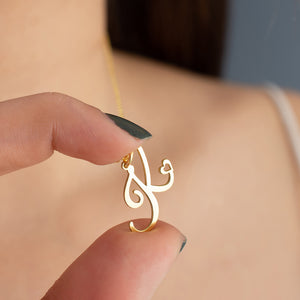
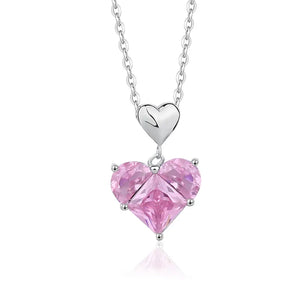
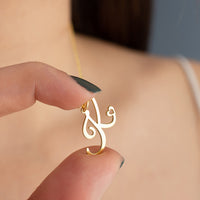
The piece they're describing → Collier Cœur Initial pour Femme — Plaqué Or 18 Carats, Lettre Personnalisée + Pendentif Cœur
Personalize Yours


