


- Fresh piercings need implant-grade titanium, surgical steel, niobium, or solid 14k+ gold — not plated costume metal.
- Flat-back studs heal cleaner than hoops because they cannot rotate, dangle, or snag on hair and pillows.
- Lobes need about 6 to 8 weeks minimum before a jewelry change; cartilage can take 6 to 12 months.
- Never pull starter jewelry early to “let it breathe” — that is how piercings close up or get infected.
- Once healed, hypoallergenic 925 sterling silver pieces are safe for daily wear and open up styling options that never touch the piercing itself.
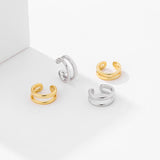
- AJLuxe's no-piercing ear cuffs are 925 sterling silver with 18K gold plating, hypoallergenic, and start at $25.99.
If you just got your ears pierced, the earrings you wear for the next few weeks matter more than almost any other jewelry decision you'll make this year — the wrong metal or the wrong shape can turn a clean piercing into a swollen, infected one. The short version: stick with the implant-grade jewelry your piercer used until you are fully healed, then branch out. Once you're past that window, hypoallergenic 925 sterling silver pieces are safe for everyday wear, and our Ear Cuff Earrings — 925 Sterling Silver, No Piercing Needed ($27.99) are a favorite way to add more ear styling around a healed piercing without committing to another hole.
What Metal Is Actually Safe for a Fresh Piercing?
The safest metals for a brand-new piercing are implant-grade titanium (ASTM F136), niobium, solid 14k or 18k gold, or platinum, because they resist corrosion and rarely react with an open wound. These are the materials the Association of Professional Piercers recommends for initial jewelry, and most reputable piercers won't use anything else on a fresh channel.
Two things to avoid in the first few weeks: nickel-heavy costume metal, which is the single biggest cause of piercing bumps and allergic reactions, and plated jewelry, where the coating can wear or flake against raw tissue. Sterling silver is a different story — it's hypoallergenic and gentle on skin, but most piercers still recommend saving it for after the piercing has closed over, since silver can tarnish and oxidize while a wound is actively healing. That's exactly why the pieces in this guide are positioned for the after-healing stage, not the initial piercing itself.
Are Hoops or Studs Better for Healing?
Flat-back studs are better than hoops for a healing piercing because they sit snug against the skin and can't rotate, dangle, or catch on hair, clothing, or a pillow the way a hoop can. That stillness matters — every time a hoop shifts inside a fresh channel, it re-irritates tissue that's trying to close.
Hoops become a reasonable option later, once the piercing is fully healed and the channel has toughened up enough to tolerate movement. If you're drawn to the hoop look before then, an ear cuff that sits on the outer cartilage without touching the piercing site is a safer way to get a similar effect in the meantime.
How Long Should Studs Stay in Newly Pierced Ears?
Starter studs should stay in for at least 6 to 8 weeks in the earlobe and 6 to 12 months in cartilage before you even consider switching jewelry, and many piercers recommend waiting longer if the area still feels tender, warm, or looks red. Cartilage heals slower than lobe tissue because it gets less blood flow, which is why that timeline runs so much longer.
Swapping jewelry too early is one of the most common ways a new piercing gets reinjured — the channel isn't fully formed yet, and forcing a change can tear it. When in doubt, ask the piercer who did the work rather than guessing from a timeline online.
What Is the 2-3 Rule for Earrings?
The 2-3 rule (also called the 2-3-4 rule) is a styling guideline, not a medical one — it suggests grouping earrings in twos, threes, or fours per ear so a multi-piercing look reads as curated rather than random. It has nothing to do with piercing safety or healing time.
People use it to plan out an “ear curation” — mixing a stud, a small hoop, and a cuff at different points on the ear so the sizes and spacing feel balanced. If you're still healing a first or second piercing, treat this as inspiration for later, not something to act on now.
What Is the 3 Piercing Rule?
The 3 piercing rule is informal advice a lot of piercers give first-timers: get no more than three new piercings in a single session so your body isn't managing too many healing sites — plus your pain tolerance and budget — at once. It isn't an official standard, just practical guidance that shows up often enough to have a name.
If you already have several piercings you love and want more of that layered, curated look without another trip to the studio, that's where jewelry that requires no new hole earns its place.
What Should You Wear Once Your Piercing Heals?
Once a piercing is fully healed, almost any hypoallergenic metal is fair game, and 925 sterling silver is where most people start building out their everyday earring rotation. This is also the point where ear cuffs make sense — pieces that clip onto the outer ear with no piercing required, so you can add the layered look of two or three piercings without touching your healed hole or booking another appointment.

Which AJLuxe No-Piercing Ear Cuff Fits Your Healed Ear?
All four options below are 925 sterling silver with 18K gold plating and require no new piercing, so the right pick comes down to style and how bold you want the ear-curation look to be.
| Style | Best For | Price |
|---|---|---|
| Hook Ear Cuff | A subtle, everyday second-piercing illusion | $27.99 |
| Twisted Cuff | Minimalist stacking with texture, no stones | $25.99 |
| Cross Ear Cuff | A statement piece for one standout ear | $27.99 |
| Gold Ear Cuff | Gifting or dressing up a simple stud lineup | $44.99 |
18K gold plating option
Nickel-free, safe for daily wear
Boxed, no extra charge
Insured shipping, easy returns
Which Earrings Should You Choose for Newly Pierced Ears?
If your piercing is still healing, wear whatever implant-grade titanium, niobium, or solid gold stud your piercer put in, and leave it alone until you hit the 6-to-8-week (lobe) or 6-to-12-month (cartilage) mark. Once you're through that window, that's when to start building your collection — and a hypoallergenic 925 sterling silver piece like AJLuxe's Ear Cuff Earrings, No Piercing Needed ($27.99) is the easiest way to add more ear without adding more holes. It ships gift-boxed, is nickel-free, and works whether you're dressing up a single healed lobe piercing or layering onto an established ear curation.
Source: Association of Professional Piercers
Frequently Asked Questions
What is the 2 3 rule for earrings?
The 2-3 rule is a styling guideline suggesting you group earrings in twos, threes, or fours per ear so a multi-piercing look reads as curated rather than random — it's about aesthetics, not piercing safety.
Are hoops or studs better for healing?
Studs are better for healing because flat-back styles sit still against the skin, while hoops can rotate, dangle, and snag on hair or clothing, which re-irritates a fresh piercing.
How long should studs stay in newly pierced ears?
Starter studs should stay in for at least 6 to 8 weeks in the earlobe and 6 to 12 months in cartilage before you consider changing jewelry, and longer if the area still feels tender.
What is the 3 piercing rule?
The 3 piercing rule is informal guidance to get no more than three new piercings in one sitting, so your body isn't healing too many sites — plus managing pain and budget — at once.
Is sterling silver safe for sensitive ears?
Yes — 925 sterling silver is hypoallergenic and nickel-free, which makes it safe for most sensitive ears once a piercing has fully healed; it's generally not recommended as the initial jewelry for a brand-new piercing.
Can you wear an ear cuff on a healing piercing?
You can wear a cuff on a different, already-healed part of the ear while another piercing heals, but avoid placing a cuff directly on or touching a fresh piercing site, since the added pressure and movement can irritate the wound.
Toutes les marques, noms de marque et noms de produits tiers sont la propriété de leurs détenteurs respectifs. AJLuxe n’est affilié à aucune marque tierce citée dans cet article, ni approuvé ou sponsorisé par celle-ci. Les noms de marque sont utilisés uniquement à des fins de comparaison factuelle, et les descriptions de matériaux reflètent les spécifications produit publiées par chaque marque au moment de la rédaction.
You Might Also Like
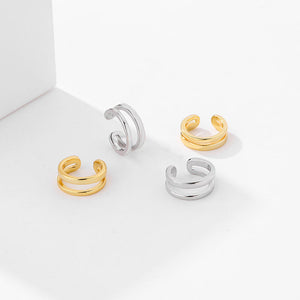
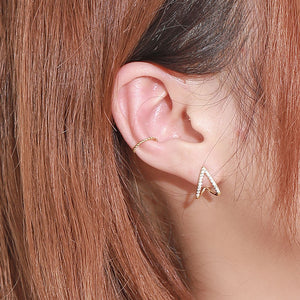
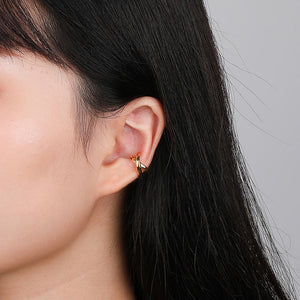
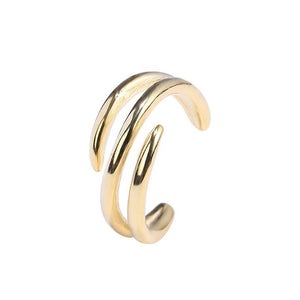
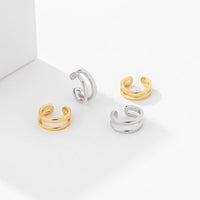
The piece they're describing → Boucles d'oreilles manchette pour femmes — Argent sterling 925, pas besoin de perçage, plaqué or
Personalize Yours


