


Was bedeutet es, einen einzelnen Ohrring zu tragen? Ein einzelner Ohrring hat über verschiedene Epochen und Kulturen hinweg unterschiedliche Bedeutungen gehabt — ein von Piraten verdientes Zeichen für einen überlebten Schiffbruch oder eine Äquatorüberquerung, ein codiertes Links-Rechts-Signal für sexuelle Orientierung in den 1970er- bis 90er-Jahren („das schwule Ohr“), ein widerlegter Gefängnisbanden-Mythos, und heute größtenteils eine bewusste modische Entscheidung im Zusammenhang mit dem Mismatched-Ohrring-Trend. Es gibt keine einzige universelle Regel mehr; die moderne Bedeutung hängt heute weit mehr vom persönlichen Stil ab als davon, in welchem Ohr das Stück sitzt.
- Die Idee „ein Ohrring = etwas Bestimmtes“ ist ein Flickwerk aus separaten Traditionen, keine einzige durchgehende Regel.
- Die Piraten-Ursprungsgeschichte (verdient durch Äquatorüberquerung oder als Bestattungsfonds bei Tod auf See) ist echte Folklore, keine verifizierte Geschichte.
- Der „gay ear“-Code der 1970er- bis 90er-Jahre (links = hetero, rechts = schwul, in den meisten US-Regionen) war real, gilt aber heute als veraltet und unzuverlässig.
- Behauptungen, ein einzelner Ohrring signalisiere Banden- oder Gefängniszugehörigkeit, sind ein weit verbreiteter urbaner Mythos ohne solide dokumentierte Grundlage.
- Bei Männern wird ein einzelner Ohrring in beiden Ohren heute größtenteils als persönliche Stilentscheidung gelesen, nicht als codiertes Signal.
- Der Mismatched-Ohrring-Trend 2025–2026 (unterschiedliche Stecker oder Creolen in jedem Ohr) ist bewusste Mode, kein Versehen — auf dem Laufsteg bestätigt und von Pinterest als Top-Trend markiert.
Wenn Sie sich je gefragt haben, was ein einzelner Ohrring bedeutet — bei einem Mann, bei einer fremden Person oder bei sich selbst —, lautet die ehrliche Antwort: Das hängt vollständig davon ab, welches Jahrzehnt und welche Kultur Sie fragen. Die Bedeutung des einzelnen Ohrrings hat sich stärker verändert als bei fast jedem anderen Schmuck-Symbol: von Seeleuten und Soldaten über ein codiertes Signal für sexuelle Orientierung bis zu einem urbanen Mythos über Banden, der nie solide belegt war, bis hin zum heutigen bewussten Mismatched-Ohrring-Trend. Dieser Leitfaden geht durch, woher jede Version der Geschichte tatsächlich stammt, was real ist, was Folklore ist, und wie der einzelne Ohrring und sein Mismatched-Verwandter heute getragen werden.

Was bedeutet ein einzelner Ohrring? Eine kurze Geschichte
Bevor er ein modisches Statement war, war ein einzelner Ohrring bei einem Mann meist praktisch oder zeremoniell. Männer hohen Ranges im alten Ägypten, Griechenland und Rom trugen Ohrringe — manchmal in einem Ohr, manchmal in beiden — als Statussymbol oder Zeichen von Reichtum, nicht als Verstoß gegen Geschlechternormen; Ohrringe galten in den meisten antiken Gesellschaften als geschlechtsneutraler Schmuck. In Teilen Indiens wurde das hinduistische Karna-Vedha-Ritual (Ohrdurchstechen) an Kindern beider Geschlechter durchgeführt und trug spirituelles Gewicht im Zusammenhang mit Schutz und Energiebalance — ein Glaube, auf den auch heute noch verwiesen wird, obwohl es keine klinischen Belege dafür gibt, dass ein Piercing die Sehkraft oder Gesundheit verändert.
Später, im antiken Rom, markierte ein einzelner Ohrring bei einem Mann manchmal, dass er versklavt statt frei war — eine ganz andere, und weniger romantische, Bedeutung als die „Statussymbol“-Version, die online meist wiederholt wird. Der Kontext war immer wichtiger als das Objekt selbst.
Die Piratenlegende: Fakt oder Folklore?
Die am häufigsten wiederholte Ursprungsgeschichte des einzelnen Ohrrings dreht sich um Piraten und Seeleute: die Idee, dass ein goldener Creolenring im linken Ohr durch die erste Äquatorüberquerung, das Überleben eines Schiffbruchs verdient wurde, oder als vorausbezahlter Bestattungsfonds diente, falls der Seemann in einem fremden Hafen starb und eine ordentliche Bestattung brauchte. Das ist eine großartige Geschichte, und es gibt echte Belege aus dem 16. bis 18. Jahrhundert, dass europäische Seeleute tatsächlich goldene Ohrringe trugen — teils wegen des Volksglaubens, Gold verbessere die Sehkraft oder schütze vor dem Ertrinken, teils weil ein kleines, tragbares Stück Gold eine praktische Art war, Wert auf See mitzuführen.
Weniger fundiert sind die Details zum „Bestattungsfonds“ — Historiker behandeln dieses Detail als maritime Folklore, die später durch Piratenromantik (und Popkultur, einschließlich Piratenfilme) hinzugefügt wurde, nicht als dokumentierte, universelle Seefahrerregel. Die Grundgewohnheit — Seeleute, die einen einzelnen goldenen Ohrring trugen — ist real; die ordentliche Erklärung dazu ist ausgeschmückt.
Linkes Ohr vs. rechtes Ohr: Wie die „Regeln“ entstanden
Die Links-Rechts-Konvention taucht in mehreren nicht miteinander verbundenen Traditionen auf, was mit ein Grund ist, warum sie sich heute so widersprüchlich anfühlt. In Teilen Indiens signalisierte ein einzelner Ohrring im linken Ohr eines Mannes traditionell, dass er verheiratet ist. Bei europäischen Seeleuten war das linke Ohr die übliche Seite für ein verdientes Piercing. In der lateinamerikanischen und karibischen Quinceañera-Tradition markiert das Schenken der ersten Ohrringe an eine junge Frau mit 15 Jahren einen Übergang ins Erwachsenenalter — ein völlig separater Brauch von den oben genannten Links-Ohr-Konventionen für Männer, aber online häufig in dasselbe „Ohrring-Bedeutung“-Gespräch geworfen.
Keine dieser Traditionen stand miteinander in Verbindung. Sie entwickelten sich unabhängig voneinander, in unterschiedlichen Jahrhunderten und Regionen — genau deshalb zerfällt der Versuch, heute eine universelle Regel „linkes Ohr bedeutet X“ anzuwenden, bei genauerer Betrachtung.
Der „Gay Ear“-Mythos: Links-Rechts-Signalisierung in den 1970er- bis 90er-Jahren
Der kulturell bedeutsamste Code des einzelnen Ohrrings in der jüngeren westlichen Geschichte ist das sogenannte „gay ear“ — eine Regel, die in den USA von den 1970ern bis in die 1990er weit verbreitet war, wonach ein Ohrring im rechten Ohr als Signal für Homosexualität gelesen wurde, während das linke Ohr als heterosexuell galt (die Konventionen sollen sich in manchen Regionen und Subkulturen umgekehrt haben, was mit ein Grund ist, warum sie nie vollständig zuverlässig war). Sie entstand in einer Zeit, in der LGBTQ+-Personen subtile, abstreitbare Wege brauchten, um Identität in einem deutlich weniger toleranten Klima zueinander zu signalisieren, neben anderen codierten Signalen wie dem Hanky-Code.
Bis in die 2000er-Jahre war dieser Code größtenteils verblasst. Punk-, Rock- und Hip-Hop-Kultur hatten einzelne Ohrringe bei heterosexuellen Männern bereits während der 80er- und 90er-Jahre normalisiert (man denke an Elvis Presley in den 50ern oder Rock-Frontmänner der 70er- bis 90er-Jahre), was die Zuverlässigkeit des Signals verwässerte. Heute erkennen oder wenden Menschen unter etwa 30–40 Jahren den Links-Rechts-Code generell überhaupt nicht mehr an, und den einzelnen Ohrring eines Fremden als Signal für sexuelle Orientierung zu deuten, gilt sowohl als veraltet als auch als anmaßend.
Gefängnis- und Bandenmythen, widerlegt
Eine hartnäckige Behauptung — besonders online — besagt, dass ein einzelner Ohrring in einem bestimmten Ohr Bandenzugehörigkeit oder eine Vorstrafe signalisiert, manchmal verknüpft mit Behauptungen über lateinamerikanische oder karibische Bandenkultur. Diese Idee wird häufig wiederholt, kommt aber selten mit solider Quellenlage — die meisten Verweise gehen auf Geschichten aus zweiter Hand oder jahrzehntealte urbane Legenden zurück, nicht auf dokumentierte Bandencodes. Behandeln Sie das genauso wie jede Kettenbrief-Behauptung „dieses unschuldige Accessoire bedeutet heimlich etwas Gefährliches“: weit verbreitet, dünn belegt, und nichts, das man bei einem Fremden mit einem einzelnen Ohrstecker annehmen sollte.
Was bedeutet ein Ohrring im linken Ohr für Männer heute?
Entfernt man die sich überlagernde Folklore, lautet die ehrliche moderne Antwort: einfach. Für die meisten Männer in westlichen Ländern trägt ein Ohrring im linken Ohr (oder rechten, oder beiden) heute keine feste codierte Bedeutung mehr. Er wird als persönliche Stilentscheidung gelesen — minimalistisch, klassisch, dezent — statt als Signal über Familienstand, Sexualität, Vorstrafen oder Seefahrt-Dienst. Die Bedeutung des einzelnen Ohrrings bei Männern kommt heute näher an „ihm gefällt, wie es aussieht“ heran als an irgendeinen der darunterliegenden historischen Codes.
Trotzdem ist die Geschichte nicht ausgelöscht — sie ist nur optionaler Kontext. Manche Männer wählen speziell das linke Ohr, weil sie die Piraten- oder klassische-Hollywood-Assoziation kennen (man denke an einen einzelnen goldenen Stecker zu einem maßgeschneiderten Anzug); andere wählen es rein, weil eine Seite zufällig besser zu ihrem Gesicht oder Haarscheitel passt.
| Epoche / Kultur | Bedeutung linkes Ohr | Bedeutung rechtes Ohr |
|---|---|---|
| Altes Ägypten / Griechenland / Rom | Status, Rang, oder (in manchen römischen Kontexten) versklavter Status — variierte je nach Kontext | Ähnlich, weniger ohrspezifische Dokumentation |
| Europäische Seeleute, 16.–18. Jh. | Verdientes Zeichen (Äquatorüberquerung, Schiffbruch-Überlebender); Volksglaube zu Sehkraft/Schutz | Nicht die übliche Konvention |
| Traditionelles Indien | Kann in manchen regionalen Bräuchen einen verheirateten Mann signalisieren | Nicht die übliche Konvention |
| USA, 1970er–90er Jahre („gay ear“-Code) | In den meisten Regionen als hetero gelesen (lokal unterschiedlich) | In den meisten Regionen als schwul gelesen (lokal unterschiedlich) |
| Lateinamerikanischer/karibischer Bandenmythos | Weit verbreitet, dünn belegt, nicht verifiziert | Weit verbreitet, dünn belegt, nicht verifiziert |
| Westliche Mode, 2020er–2026 | Keine feste Bedeutung — persönlicher Stil | Keine feste Bedeutung — persönlicher Stil |
Der Mismatched-Ohrring-Trend: Selbstausdruck, kein Versehen
Wo „ein Ohrring“ früher eine Geschichte über Codes und Mythen war, ist der größte Trend rund um den einzelnen Ohrring heute das Gegenteil eines Versehens: absichtlich unpassende oder asymmetrische Ohrringe, bei denen jedes Ohr bewusst einen anderen Stecker, eine andere Creole oder einen anderen Anhänger trägt. Der Trend setzte sich sichtbar auf den Frühjahrs-/Sommer-Laufstegen von Häusern wie Chloé, Isabel Marant und Fendi durch, und Pinterests Trendprognosen haben Asymmetrie — unpassenden Schmuck, ungleiche Nagelfarben, avantgardistisches Styling — wiederholt als prägende Form des Gen-Z-Selbstausdrucks für 2026 markiert.
Der Reiz ist einfach: Mismatched-Ohrringe lassen Sie zwei Dinge tragen, die Sie lieben, ohne sich entscheiden zu müssen, fügen visuelles Interesse ohne zusätzliche Piercings hinzu und signalisieren Individualität auf eine Weise, die ein passendes Paar einfach nicht kann. Es beseitigt außerdem die alte Angst, einen einzelnen Ohrring aus einem Paar zu verlieren — ein absichtlich getragener einzelner Stecker oder Creolenring hatte von vornherein nie ein „fehlendes Gegenstück“.
Wie man einen einzelnen oder mismatched Ohrring bewusst stylt
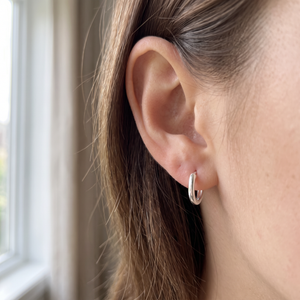
- Mit einem schlichten Metallstück verankern. Ein einfacher goldener oder silberner Huggie oder Stecker in einem Ohr gibt dem Auge einen Ruhepunkt, wenn das andere Ohr etwas Aufwendigeres macht.
- Eine Textur kombinieren, nicht zwei konkurrierende Statements. Ein glatter Creolenring auf einer Seite und ein kleiner strukturierter Stecker auf der anderen wirkt bewusst; zwei laute Statement-Stücke gleichzeitig können versehentlich wirken.
- Vorhandene mehrfache Piercings nutzen. Wenn Sie bereits zwei oder drei Piercings pro Ohr haben, ist Mismatching leichter — tragen Sie einen Stecker in einem Ohrläppchenloch und lassen Sie das zweite frei, oder befüllen Sie beide Seiten unterschiedlich.
- Metalle abstimmen, Formen variieren. Den Metallton konsistent zu halten (alles Gold oder alles Silber) und die Form zu variieren, ist der einfachste Weg, ein mismatched Paar bewusst statt versehentlich unpassend wirken zu lassen.
- Ein Ohr minimal lassen. Ein einzelner kleiner Stecker auf einer Seite und ein etwas größeres Stück auf der anderen hält die Asymmetrie lesbar, ohne eines der Ohren zu überladen.
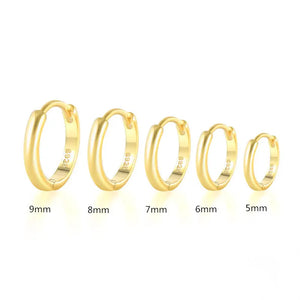
Ein Paar dezenter goldener Huggies eignet sich besonders gut als „Anker“-Seite eines Mismatched-Looks — einfach genug, um es allein in einem Ohr zu tragen, oder als sauberes Paar kombiniert, wenn Sie stattdessen den klassischen Look wollen. Unsere Goldenen Huggie-Ohrringe bestehen aus 925er Sterlingsilber mit 18-Karat-Goldplattierung, sind hypoallergen und minimalistisch genug, um solo getragen oder auf einen asymmetrischen Stack verteilt zu überzeugen.
Möchten Sie den Look mit einem einzelnen oder mismatched Ohrring ausprobieren, ohne sich auf ein ganz neues Set festzulegen? Unsere Goldenen Huggie-Ohrringe sind hypoallergenes 925er Sterlingsilber mit 18-Karat-Goldplattierung — einfach genug, um einzeln zu tragen, oder mit einem anderen Stil am gegenüberliegenden Ohr für einen bewussten Mismatched-Look zu kombinieren.
Die Goldenen Huggie-Ohrringe shoppenHäufig gestellte Fragen
Was bedeutet das Tragen eines einzelnen Ohrrings im linken Ohr für Männer heute?
Für die meisten Männer in westlichen Ländern trägt ein einzelner Ohrring im linken Ohr heute keine feste codierte Bedeutung — er wird als persönliche Stilentscheidung gelesen, nicht als Signal über Familienstand, Orientierung oder Zugehörigkeit. Ältere Konventionen (Piratenüberlieferung, der „gay ear“-Code der 1970er–90er, regionale Heiratssignale in Teilen Indiens) existieren weiterhin als historischer Kontext, funktionieren aber keine als zuverlässige moderne Regel.
Trugen Piraten wirklich Ohrringe im linken Ohr, um Bestattungskosten zu bezahlen, falls sie an fremden Küsten starben?
Teils wahr, teils ausgeschmückt. Europäische Seeleute vom 16. bis 18. Jahrhundert trugen tatsächlich häufig einen einzelnen goldenen Ohrring, verbunden mit Volksglauben über verbesserte Sehkraft und Schutz auf See, und Gold war praktisch als tragbarer Wert mitzuführen. Das konkrete Detail des „Bestattungsfonds“ wird von Historikern als später hinzugefügte maritime Folklore behandelt, nicht als dokumentierte universelle Praxis.
Was war der „gay ear“-Code in den 1970er- und 1980er-Jahren, und welches Ohr deutete auf Homosexualität hin?
In den meisten US-Regionen wurde in den 1970er- bis 90er-Jahren ein Ohrring im rechten Ohr als Signal für Homosexualität gelesen, während ein Ohrring im linken Ohr als heterosexuell galt — die Konvention soll sich jedoch in manchen Regionen und Subkulturen umgekehrt haben, was sie selbst auf ihrem Höhepunkt unzuverlässig machte. Der Code verblasste im Laufe der 1990er- und 2000er-Jahre, als einzelne Ohrringe durch Punk-, Rock- und Hip-Hop-Mode bei heterosexuellen Männern zum Mainstream wurden.
Gibt es einen Gefängnismythos, wonach das Tragen eines Ohrrings in einem bestimmten Ohr auf kriminelle Zugehörigkeit oder Bandenstatus hindeutet?
Ja, diese Behauptung ist weit verbreitet, besonders verknüpft mit lateinamerikanischer und karibischer Banden-Folklore, ist aber dünn belegt — die meisten Verweise gehen auf Geschichten aus zweiter Hand und urbane Legenden zurück, nicht auf dokumentierte Codes. Man sollte das bei niemandem annehmen, der einen einzelnen Ohrring trägt.
Was bedeutete ein einzelner Ohrring im alten Ägypten, Griechenland oder Rom für Männer hohen Ranges oder Soldaten?
In mehreren antiken Gesellschaften galten Ohrringe als geschlechtsneutral und konnten Status, Rang oder Reichtum für Männer signalisieren, einschließlich Soldaten und Adel. Der Kontext war wichtig — im antiken Rom konnte ein einzelner Ohrring auch jemanden als versklavt statt frei markieren, eine ganz andere Bedeutung als die heute oft wiederholte „hoher Status“-Version.
Verbessert das Tragen eines Ohrrings im linken Ohr laut traditionellem Glauben die Nachtsicht oder Sehkraft?
Volkstraditionen unter europäischen Seeleuten besagten, ein goldener Ohrring verbessere die Sehkraft oder schütze vor dem Ertrinken, aber es gibt keine klinischen Belege dafür. Es ist ein dokumentierter historischer Glaube, kein medizinisch belegter Effekt.
Warum tragen manche Männer heute einen einzelnen Ohrring als Symbol für Rebellion oder Nonkonformität?
Punk-, Rock- und später Hip-Hop-Kultur popularisierten den einzelnen Ohrring bei Männern in den 1970er- bis 90er-Jahren als Zeichen von Individualität und Ablehnung konventioneller Normen, nach früheren Beispielen wie Elvis Presleys Stecker in den 1950ern. Diese Assoziation weichte mit der Zeit auf, als einzelne Ohrringe bei Männern breit zum Mainstream statt zur Gegenkultur wurden.
Was ist die kulturelle oder spirituelle Bedeutung eines einzelnen Ohrrings in afrikanischen, indianischen oder hinduistischen Traditionen für Männer?
In der hinduistischen Tradition durchsticht das Karna-Vedha-Ritual die Ohren von Kindern beider Geschlechter für spirituellen Schutz und Energiebalance, ein Brauch mit Wurzeln im ayurvedischen Glauben. Verschiedene afrikanische und indianische Gemeinschaften haben ihre eigenen, unterschiedlichen Ohrdurchstech-Bräuche im Zusammenhang mit Übergangsriten, Status oder Stammeszugehörigkeit — das sind separate Traditionen, keine einzige gemeinsame universelle Bedeutung.
Wird die Vorstellung, dass ein Ohrring im linken Ohr vor Krankheit schützt, heute noch geglaubt?
Sie wird als historische Folklore referenziert — einschließlich mancher ayurvedischer und anderer traditioneller Glaubenssysteme, die das linke Ohrpiercing mit Gesundheit und Energiebalance verknüpfen —, gilt aber heute nicht als medizinische Tatsache. Die meisten Menschen, die heute einen Ohrring im linken Ohr tragen, treffen eine Stilentscheidung, statt sich auf einen Schutzglauben zu berufen.
Was bedeutet der Mismatched-Ohrring-Trend in der aktuellen Mode, und ist er bewusst oder versehentlich?
Er ist vollständig bewusst. Der Trend besteht darin, absichtlich zwei unterschiedliche Ohrringe zu tragen — unterschiedliche Stecker, Creolen oder Anhänger —, populär gemacht auf den Frühjahrs-/Sommer-Laufstegen von Chloé, Isabel Marant und Fendi und von Pinterest als führender Asymmetrie-Trend für 2026 markiert. Es ist eine Selbstausdruck-Entscheidung, kein Zeichen für ein verlorenes oder unpassendes Paar.
Gibt es bestimmte Stämme oder Gemeinschaften, in denen Männer Ohrringe im linken Ohr tragen, um Vorfahren zu ehren oder Zugehörigkeit zu zeigen?
Ja — verschiedene Stammes- und indigene Gemeinschaften weltweit nutzen Ohrpiercing und Schmuck, einschließlich einzelner Ohrring-Stile, als Zeichen von Stammeszugehörigkeit, Übergang ins Erwachsenenalter oder Ehrung der Vorfahren, wobei die Details je nach Gemeinschaft stark variieren und nicht zu einer Regel verallgemeinert werden sollten.
Signalisiert das Tragen eines Ohrrings im linken Ohr in Lateinamerika oder der Karibik heute noch Bandenzugehörigkeit?
Es gibt keine soliden Belege, die dies als aktives, zuverlässiges Signal stützen — es bleibt ein weit verbreiteter, aber dünn dokumentierter Mythos. Eine gut dokumentierte und unabhängige lateinamerikanische Tradition ist dagegen der Quinceañera-Brauch, einer jungen Frau ihre ersten Ohrringe als Zeichen des Erwachsenwerdens zu schenken.
Was ist der Unterschied zwischen dem Tragen eines Ohrrings links versus rechts für Männer in der modernen westlichen Mode?
2026 gibt es im Grunde keinen zuverlässigen Unterschied mehr — die meisten Menschen wenden die älteren Links-Rechts-Codes überhaupt nicht mehr an oder erkennen sie. Welches Ohr ein Mann heute wählt, wird fast immer von persönlicher Vorliebe, Komfort oder einfach davon bestimmt, welche Seite zu seinen Gesichtszügen besser passt.
Wie hat sich die Bedeutung eines einzelnen Ohrrings für Männer von einem Statussymbol in der Antike zu einer Stilentscheidung heute gewandelt?
Er durchlief mehrere unterschiedliche Phasen: ein Status- oder Rangzeichen in der Antike, eine praktische, volkstümlich-schützende Gewohnheit unter Seeleuten, ein gegenkulturelles Rebellionssignal in Punk- und Rockszenen, ein codiertes Orientierungssignal in den 1970er- bis 90er-Jahren, und schließlich ab den 2000er-Jahren eine vollständig normalisierte, bedeutungsneutrale Stilentscheidung. Jede Phase lagerte neue Assoziationen an, statt die vorherige vollständig zu ersetzen, weshalb heute noch so viele verschiedene „Bedeutungen“ kursieren.
Fazit
Ein einzelner Ohrring hatte nie nur eine Bedeutung — er hatte mehrere, übereinandergelagert von völlig unabhängigen Traditionen über Jahrhunderte hinweg. Die reale Geschichte zu kennen (die Seeleute, die codierte Signalisierung der 1970er–90er, der widerlegte Bandenmythos) ist interessanter Kontext, sollte aber nicht als zuverlässiger Weg behandelt werden, den Schmuck einer fremden Person heute zu lesen. Ob Sie einen einzelnen Ohrring, zwei unpassende oder einen vollständig kuratierten Ohr-Stack tragen — die ehrliche moderne Antwort ist, dass es eine Stilentscheidung ist, und zunehmend eine im Trend liegende. Wenn Sie es ausprobieren möchten, beginnen Sie mit einem einfachen, vielseitigen Stück wie unseren Goldenen Huggie-Ohrringen, die bewusst wirken, ob solo getragen, mismatched, oder als passendes Paar.
Mehr zu den Stücken selbst finden Sie in unserem vollständigen Huggie-Ohrringe-Leitfaden und besten Huggie-Ohrringen für empfindliche Ohren, oder stöbern Sie im vollständigen Ohrring-Komplettleitfaden für Größen, Stile und Tipps zum kuratierten Ohr.

Verfasst vom AJLuxe-Team — Spezialisten für personalisierten, hypoallergenen Sterlingsilberschmuck. Zuletzt aktualisiert: Juli 2026.
Quelle: The Zoe Report, „The Mismatched Earring Trend Packs A Playful Punch".
Alle Marken, Markennamen und Produktnamen Dritter sind Eigentum ihrer jeweiligen Inhaber. AJLuxe steht in keiner Verbindung zu den in diesem Artikel genannten Marken Dritter und wird von diesen weder unterstützt noch gesponsert. Markennamen werden ausschließlich zur sachlichen vergleichenden Bezugnahme verwendet; Materialangaben entsprechen den eigenen veröffentlichten Produktangaben der jeweiligen Marke zum Zeitpunkt der Erstellung.
You Might Also Like
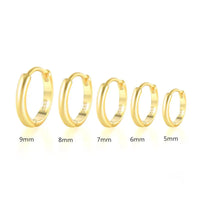
The piece they're describing → Gold Huggie Ohrringe für Damen – 925er Sterlingsilber, 18 Karat vergoldet, minimalistisch
Personalize Yours


