


- Surgical steel (316L/316LVM) contains nickel bonded into the alloy — it resists corrosion and rarely reacts, but it is not truly nickel-free.
- Nickel allergy is one of the most common metal sensitivities, so “hypoallergenic” surgical steel can still cause redness, itching, or bumps in reactive skin.
- “Stainless steel” is a broad category — not all of it is implant-grade, and lower grades carry more nickel-release risk than true surgical steel.
- Surgical steel resists tarnish and rust well thanks to its chromium content, unlike untreated base metals.
- Titanium and niobium are the only metals that are truly nickel-free; 925 sterling silver is also nickel-free by definition and a common alternative.
- AJLuxe's women's jewelry is made from 925 sterling silver with 18K gold plating — hypoallergenic and nickel-free. Our newer men's line is made from 316L stainless steel instead — hypoallergenic and nickel-safe, but, like any stainless steel, not nickel-free.
“Surgical” is a reassuring word to see on an earring card, and it isn't meaningless — surgical steel really is used in medical implants and really does resist corrosion better than cheap costume metals. But the label gets stretched further than the science supports. Surgical steel is a nickel-containing alloy, not a nickel-free one, and that distinction matters if you've ever had a piercing turn red, itchy, or crusty for no obvious reason. Below is what surgical steel actually contains, who it's safe for, how it stacks up against titanium and sterling silver, and which metal to reach for if your ears have already told you steel isn't your friend.
Is Surgical Steel Hypoallergenic?
Surgical steel is marketed as hypoallergenic, but it's more accurate to call it low-reaction rather than nickel-free. Grade 316L (or the further-refined 316LVM used in body jewelry) is an alloy of iron, roughly 16-18% chromium, 10-14% nickel, and a small amount of molybdenum. The chromium forms a thin oxide layer on the surface that keeps the metal from corroding and largely keeps the nickel locked inside the alloy instead of leaching onto skin. That's why the vast majority of wearers never notice a reaction. It is not, however, the same guarantee as titanium or sterling silver, which contain no nickel to begin with.
Is Surgical Steel Okay for Sensitive Skin?
For most people with everyday sensitive skin, surgical steel is one of the safer mainstream options — but it is not the safest option if you have a confirmed nickel allergy. “Sensitive skin” covers a wide range: some people just want a metal that won't itch after a full day of wear, and surgical steel usually clears that bar. If your sensitivity is specifically a nickel allergy (often diagnosed via a dermatologist patch test), surgical steel is still a risk, because a diagnosed allergy can react to even the small, largely-bound amount of nickel the alloy contains, particularly with constant skin contact like earring posts.
Can You Be Allergic to Surgical Steel?
Yes, you can be allergic to surgical steel, because it does contain nickel — the reaction is to the nickel content, not to the steel itself. Symptoms typically show up where the metal sits against skin longest, like an earlobe or piercing site, and include redness, itching, swelling, small bumps, or a rash that lingers after the earrings come out. If that sounds familiar, the fix usually isn't “better quality” surgical steel — it's switching to a metal that contains no nickel at all, such as titanium, niobium, or 925 sterling silver.
Is Stainless Steel Hypoallergenic?
Not automatically — “stainless steel” is a broad category, and only some grades are truly implant-grade. Surgical steel (316L/316LVM) is a specific, higher-purity type of stainless steel formulated for medical and body-jewelry use. Cheaper jewelry labeled simply “stainless steel” without a grade may use lower grades (like 202 or 430), which can contain more reactive nickel and offer less corrosion resistance. If a listing says “stainless steel” but not “surgical” or “316L,” treat it with more caution than a piece that specifies the grade.
Does Surgical Steel Tarnish?
No, surgical steel does not tarnish in the way silver or brass does, because its chromium content forms a passive oxide layer that resists rust and discoloration. It can still pick up surface scratches or a dulled finish with heavy daily wear, and any plating applied over steel (like gold plating) will wear the way plating does on any base metal, exposing the steel underneath over time. On its own, though, bare surgical steel holds its finish better than most affordable jewelry metals.
Surgical Steel vs Titanium Earrings: Which Is More Hypoallergenic?
Titanium is more hypoallergenic than surgical steel because titanium contains no nickel at all, while surgical steel contains roughly 10-14% nickel bonded into the alloy. For most wearers this difference is invisible day to day, but for anyone with a diagnosed nickel allergy, titanium (and niobium) are the safer starting point, particularly for a fresh piercing where the metal sits in broken skin for weeks.

| Metal | Nickel Content | Tarnish Resistance | Best For |
|---|---|---|---|
| Surgical Steel (316L) | ~10-14%, bonded in alloy | Very good | Most wearers without a diagnosed nickel allergy |
| Titanium | None | Excellent | Fresh piercings, confirmed nickel allergies |
| Niobium | None | Excellent | Same as titanium, wider color options |
| 925 Sterling Silver (AJLuxe) | None | Good, with proper care | Everyday wear, gifting, healed ears |
Is Surgical Steel Good for Your Ears?
Yes, surgical steel is generally considered safe for ears, including for initial piercings, provided it's genuine implant-grade steel rather than an unlabeled “stainless” alternative. It's durable, resists corrosion, and doesn't require the care that untreated metals do. The caveat stays the same throughout this article: “generally safe” isn't “universally safe,” and if you already know nickel is your trigger, steel — surgical grade or not — is still a metal to skip.
18K gold plating option
Nickel-free, safe for daily wear
Boxed, no extra charge
Insured shipping, easy returns
Which Metal Should You Choose for Sensitive Ears?
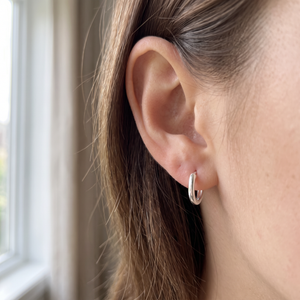
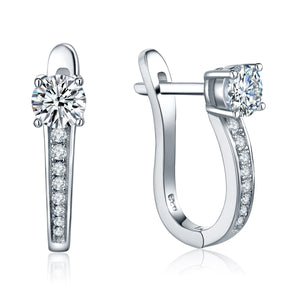
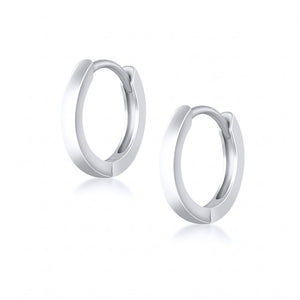
If you already know or suspect you have a nickel allergy, skip surgical steel altogether and choose a metal that's nickel-free from the start — 925 sterling silver or titanium, not a “hypoallergenic” alloy that still contains nickel. For everyday earrings, AJLuxe's Silver Huggie Earrings ($34.99) are made from 925 sterling silver — nickel-free by definition, not just low-reaction — so they sit close to the ear all day without the guesswork surgical steel can involve. They arrive gift-ready in a box at no extra charge, which makes them an easy call whether you're buying for yourself or for someone whose ears you're not 100% sure about.

For sourcing and piercing-safety standards, the Association of Professional Piercers publishes guidance on recommended jewelry materials for new and healing piercings: safepiercing.org.
Frequently Asked Questions
Is surgical steel okay for sensitive skin?
For most people with general sensitive skin, yes — surgical steel's corrosion resistance means it rarely irritates casual wearers. It's a different story if your sensitivity is a diagnosed nickel allergy, since surgical steel still contains nickel bonded into the alloy.
Can you be allergic to surgical steel?
Yes. A reaction to surgical steel is really a reaction to the small amount of nickel it contains, and it typically shows up as redness, itching, or bumps where the metal touches skin the longest, like an earlobe.
What is more hypoallergenic, titanium or surgical steel?
Titanium is more hypoallergenic than surgical steel because it contains no nickel at all, while surgical steel contains roughly 10-14% nickel bonded into the metal. Titanium and niobium are the safer choice for confirmed nickel allergies or fresh piercings.
Is surgical steel good for your ears?
Yes, genuine implant-grade surgical steel is generally considered safe and durable for ears, including new piercings. The exception is anyone with a diagnosed nickel allergy, who should choose a nickel-free metal instead.
Is surgical steel the same as stainless steel?
Not exactly — surgical steel is a specific, higher-purity grade of stainless steel (usually 316L or 316LVM) formulated for medical and body-jewelry use. Generic “stainless steel” jewelry may use lower grades with more nickel-release risk and less corrosion resistance.
Is 925 sterling silver a good alternative to surgical steel?
Yes — 925 sterling silver is nickel-free by definition, not just low-reaction like surgical steel, which makes it a reliable option for sensitive skin and healed piercings. It's also easy to find in everyday styles like hoops and huggies, unlike titanium, which has a narrower range.
Related reading: Surgical steel vs sterling silver.
Alle Marken, Markennamen und Produktnamen Dritter sind Eigentum ihrer jeweiligen Inhaber. AJLuxe steht in keiner Verbindung zu den in diesem Artikel genannten Marken Dritter und wird von diesen weder unterstützt noch gesponsert. Markennamen werden ausschließlich zur sachlichen vergleichenden Bezugnahme verwendet; Materialangaben entsprechen den eigenen veröffentlichten Produktangaben der jeweiligen Marke zum Zeitpunkt der Erstellung.
You Might Also Like

The piece they're describing → Silberne Huggie-Ohrringe für Damen — 925er Sterlingsilber, hypoallergen, minimalistisch
Personalize Yours


