


- Standard (304-grade) stainless steel almost always contains nickel — the single most common cause of jewelry reactions.
- 316L “surgical” stainless steel also contains nickel, just bound more tightly into the alloy, so it leaches less and reacts less often than 304-grade.
- 316L is not nickel-free. A confirmed nickel allergy can still flare up, especially with earrings worn continuously.
- Truly hypoallergenic metals are nickel-free by composition: solid 925 sterling silver, titanium, niobium, and 18K/14K gold.
- AJLuxe pieces are 925 sterling silver with 18K gold plating — nickel-free and hypoallergenic by design, not just by marketing.
- If “stainless steel” earrings have ever irritated your ears, switching the metal — not just the brand — is what actually fixes it.
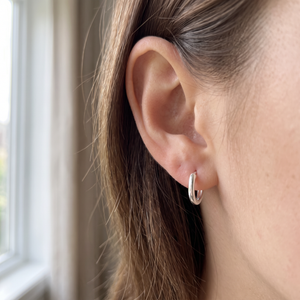
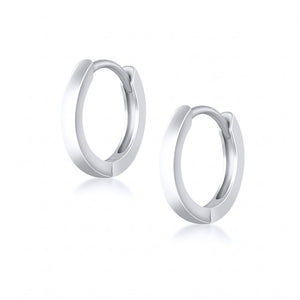
Short answer: not reliably. “Stainless steel” isn't one material — it's a family of alloys, and which one you're wearing changes everything about whether it'll irritate sensitive skin. That's why our Silver Huggie Earrings ($34.99) skip stainless steel and nickel alloys altogether and use solid 925 sterling silver instead, which contains no nickel to begin with.
Does Stainless Steel Have Nickel in It?
Yes — nearly every common grade of stainless steel used in fashion jewelry contains nickel, because it's what gives the alloy its shine and corrosion resistance. The most widely used grade, 304 stainless steel, typically has a meaningful nickel content mixed into the iron-chromium base, and cheap costume jewelry often uses lower grades with even less quality control over what's actually in the alloy. That's the root of most “I can't wear cheap earrings” complaints: it's rarely the steel itself, it's the nickel riding along inside it.
Is 316L Stainless Steel Hypoallergenic?
316L, often sold as “surgical steel,” is more skin-friendly than standard stainless steel but it is not hypoallergenic in the strict sense — it still contains nickel. The difference is how the nickel behaves: 316L is alloyed with molybdenum and refined to a lower carbon content, which locks its nickel more tightly into the metal's structure so less of it leaches onto skin through sweat and friction. For most wearers that means noticeably fewer reactions than 304-grade steel, which is why piercers often use it for new piercings. But “less nickel exposure” isn't the same as “no nickel exposure,” and people with a confirmed nickel allergy can still react to 316L, especially with earrings worn 24 hours a day for weeks or months.
Stainless Steel vs Sterling Silver vs Titanium for Sensitive Skin
If you want a genuinely nickel-free metal rather than one that simply leaches less nickel, sterling silver and titanium are the safer categories — stainless steel, even 316L, is a compromise, not a solution.
| Metal | Contains Nickel? | Reaction Risk | Typical Price Range |
|---|---|---|---|
| 304 Stainless Steel | Yes | Highest of the group | $ |
| 316L Surgical Steel | Yes, tightly bound | Lower, but not zero | $$ |
| Titanium | No | Very low | $$$ |
| 925 Sterling Silver (AJLuxe) | No | Very low | $31.99 |

Is Stainless Steel Safe for Sensitive Skin?
For a lot of people, yes in short bursts — but for anyone with genuinely sensitive or nickel-reactive skin, stainless steel is a gamble rather than a guarantee. Reactions tend to show up as redness, itching, or small bumps where the metal sits against skin for hours at a time, which is exactly the situation with earrings, rings, and watches. If you've reacted to “hypoallergenic stainless steel” jewelry before, the safer move on your next purchase is a metal that's nickel-free by composition, not one that's simply marketed as gentle.
What Metal Is Most Hypoallergenic?
Titanium and niobium are generally considered the most hypoallergenic jewelry metals because they contain no nickel at all and are chemically inert against skin. Solid 925 sterling silver and 18K/14K gold sit right behind them — both nickel-free, both far more affordable and easier to find in everyday jewelry styles like hoops, huggies, and studs than surgical-grade titanium pieces tend to be.
Which Metal Should You Choose for Sensitive Ears?
18K gold plating option
Nickel-free, safe for daily wear
Boxed, no extra charge
Insured shipping, easy returns
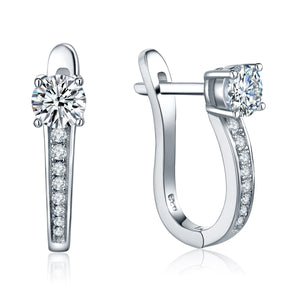
If your skin has ever reacted to “hypoallergenic” stainless steel, choose a metal that's nickel-free from the start rather than one that just leaches less of it. Solid 925 sterling silver delivers that without the price jump of titanium, which is why it's the base metal behind every AJLuxe piece — including the Moissanite Hoop Earrings ($49.99) for something with more sparkle, or the simpler Silver Huggie Earrings ($34.99) for everyday wear. Both skip nickel-bearing alloys entirely, so there's no “mostly hypoallergenic” asterisk to worry about.
For piercing-specific safety standards, the Association of Professional Piercers maintains guidance on which metals are appropriate for new and healing piercings: safepiercing.org.
Frequently Asked Questions
Is stainless steel okay for sensitive skin?
For most people, yes in small amounts, but not universally — standard stainless steel contains nickel, and anyone with a nickel allergy can still develop redness, itching, or a rash from prolonged contact, particularly with earrings worn daily.
What metal is most hypoallergenic?
Titanium and niobium are considered the two most hypoallergenic jewelry metals because they contain no nickel at all and are inert against skin; solid 925 sterling silver and 18K/14K gold are close behind and far more affordable for everyday jewelry.
Can I wear stainless steel if I'm allergic to nickel?
It's risky — even surgical-grade 316L stainless steel contains nickel, so a diagnosed nickel allergy can still flare up, especially with earrings or rings worn for hours at a time; nickel-free metals like sterling silver or titanium are the safer choice.
Is stainless steel ok for an ear piercing?
Many piercers use implant-grade stainless steel for initial piercings because it's durable and low-leaching, but the Association of Professional Piercers recommends nickel-free options like titanium, niobium, or 14k+ gold for anyone with sensitive skin or a known nickel allergy.
Related reading: Is stainless steel jewelry hypoallergenic the honest answer.
Alle Marken, Markennamen und Produktnamen Dritter sind Eigentum ihrer jeweiligen Inhaber. AJLuxe steht in keiner Verbindung zu den in diesem Artikel genannten Marken Dritter und wird von diesen weder unterstützt noch gesponsert. Markennamen werden ausschließlich zur sachlichen vergleichenden Bezugnahme verwendet; Materialangaben entsprechen den eigenen veröffentlichten Produktangaben der jeweiligen Marke zum Zeitpunkt der Erstellung.
You Might Also Like

The piece they're describing → Silberne Huggie-Ohrringe für Damen — 925er Sterlingsilber, hypoallergen, minimalistisch
Personalize Yours


