


If you've ever turned over a delicate silver necklace or a thin stacking ring and wondered why there's no stamp on it, you're not alone — it's one of the most common questions UK shoppers ask about personalized silver jewellery. The short answer: it depends on weight, and UK law is very specific about when a hallmark is legally required.
Quick Answer
Under the UK Hallmarking Act 1973, silver jewellery only legally requires a hallmark if it weighs 7.78 grams or more. Lightweight pieces below that threshold — thin chains, small charms, delicate stacking rings — are legitimately exempt and can be sold as "925 sterling silver" without a hallmark. Gold needs a hallmark above 1g, platinum above 0.5g, and palladium above 1g. Hallmarking is carried out by one of the UK's four Assay Offices: London, Birmingham, Sheffield, and Edinburgh.
TL;DR
- Legal threshold: 7.78g for silver. Below that weight, hallmarking isn't required by law.
- Above 7.78g, it's a legal requirement — selling it as "silver" without a hallmark is a criminal offence under the Hallmarking Act 1973.
- A hallmark ≠ a maker's stamp. A hallmark is an independent purity certification struck by a UK Assay Office. A maker's mark just identifies the brand or sponsor.
- Most personalized jewellery is lightweight — dainty necklaces, small charms, and thin rings often fall genuinely under the exemption.
- No hallmark on a small piece doesn't mean it's fake — it usually just means it's legally exempt due to weight.
The Law: What the Hallmarking Act 1973 Actually Requires
The Hallmarking Act 1973 is the piece of UK legislation that governs how precious metals can legally be described and sold. Under Section 1(1) of the Act, it is an offence for anyone trading in the course of business to describe an article as being wholly or partly made of gold, silver, platinum, or palladium unless that article carries an approved UK hallmark — provided the item is above the relevant weight exemption.
That last part is the piece most shoppers (and even some smaller sellers) don't fully understand: hallmarking isn't required for every piece of precious metal jewellery. The law builds in specific weight exemptions, set out in Schedule 1 of the Act, below which an item can legally be sold and described as "silver," "gold," etc. without a hallmark.
Current UK Weight Thresholds for Hallmarking
| Metal | Exemption threshold | Hallmark legally required above |
|---|---|---|
| Silver | Below 7.78 grams | 7.78g and over |
| Gold | Below 1 gram | 1g and over |
| Platinum | Below 0.5 grams | 0.5g and over |
| Palladium | Below 1 gram | 1g and over |
These thresholds are confirmed directly in the Act's Schedule 1 text and repeated consistently across every UK Assay Office's official guidance. If an item is above the weight threshold for its metal and is being sold "in the course of trade or business" described as that metal, UK law requires it to carry a hallmark from an approved Assay Office. Ignoring this isn't a minor technicality — Trading Standards guidance confirms that non-compliant items can be seized, with fines of up to £5,000 per article and potential prosecution.
The Four UK Assay Offices
A hallmark isn't something a jewellery brand can apply itself — it can only be legally struck by one of the UK's four official Assay Offices, each independently testing and certifying metal purity:
- London Assay Office (The Goldsmiths' Company)
- Birmingham Assay Office
- Sheffield Assay Office
- Edinburgh Assay Office (Goldsmiths Hall)
These four offices are named directly in the Hallmarking Act itself and have operated continuously as the UK's authorised hallmarking bodies. Each tests submitted items and — if they pass — strikes an official mark combination confirming the sponsor, the metal fineness, and which office carried out the assay.
Hallmark vs. Maker's Mark: What's the Difference?
A hallmark is a legal purity certification struck by an independent UK Assay Office. A maker's mark (or sponsor's mark) is simply a brand identifier — any jewellery brand can register and stamp its own maker's mark, whether or not the piece requires full hallmarking.
This is where a lot of confusion comes from. A full UK hallmark is actually made up of several components struck together:
- Sponsor's/maker's mark — identifies who submitted the item for hallmarking (at least two letters, unique to the registrant)
- Fineness (purity) mark — the numeric millesimal fineness, e.g. 925 for sterling silver
- Assay Office mark — a symbol showing which of the four offices tested the piece
- Date letter (optional on modern pieces, common historically)
A maker's mark or "925" stamp on its own — without an Assay Office symbol — is not a legal hallmark. It's simply the brand telling you what the metal is claimed to be, similar to a manufacturer's label. Brands are free to stamp "925" or their own logo on jewellery regardless of whether the piece legally requires full hallmarking, and doing so is completely normal practice for lightweight pieces under the exemption threshold.
Why Your Silver Jewellery May Have No Hallmark — And Why That's Normal
This is the part that trips up a lot of shoppers new to fine silver jewellery: most delicate, personalized silver pieces are simply too light to legally require hallmarking. A thin chain necklace, a small engraved charm, or a slim stacking ring often weighs well under 7.78 grams — the exact opposite of heavier statement pieces like chunky rings or wide bangles, which are far more likely to cross the threshold.
At AJLuxe, many of our finest, most delicate 925 sterling silver pieces — the kind designed to be layered, stacked, or worn every day — fall genuinely under this legal exemption weight. That's not a workaround or an excuse to skip a step; it's simply how UK hallmarking law is written, and it applies identically to every jewellery brand selling lightweight silver in the UK, from small independent silversmiths to major high street names. Heavier, chunkier silver jewellery is far more likely to need (and carry) a full hallmark, while dainty, minimalist designs legitimately sit below the line.
We stamp "925" on our sterling silver pieces to be transparent about metal content, exactly as described above under maker's marks — but that stamp is not, and does not claim to be, a full UK hallmark unless the specific piece has been submitted to an Assay Office.
UK Hallmarking FAQ
Is hallmarking required on jewellery in the UK?
Only above certain weight thresholds. Silver over 7.78g, gold and palladium over 1g, and platinum over 0.5g must carry a UK hallmark if sold and described as that metal. Below those weights, hallmarking is not legally required.
Is unhallmarked silver jewellery fake?
Not necessarily. If a silver item weighs less than 7.78 grams, UK law doesn't require it to be hallmarked at all, so the absence of a hallmark on a lightweight piece is expected and legal — it isn't evidence the piece is fake.
Can you sell silver jewellery without a hallmark in the UK?
Yes, but only if the item is below the 7.78g exemption weight. Selling a silver item above that weight and describing it as "silver" without a proper hallmark is an offence under the Hallmarking Act 1973.
What does 925 mean if the piece isn't hallmarked?
925 indicates the metal is claimed to be 92.5% pure silver (sterling silver) — the international standard fineness. On an unhallmarked, lightweight piece, "925" is typically a maker's stamp rather than an Assay Office-certified hallmark, meaning it's the brand's own declaration of purity rather than independently verified by an Assay Office.
What's the difference between a hallmark and a maker's mark?
A hallmark is struck by one of the UK's four independent Assay Offices and legally certifies metal purity. A maker's mark (sponsor's mark) simply identifies the brand or manufacturer and can be applied by any registered brand regardless of whether the item is hallmarked.
Which items are exempt from UK hallmarking?
Any silver item under 7.78g, gold under 1g, platinum under 0.5g, or palladium under 1g is exempt by weight. Antique jewellery made before 1950 also has separate historical exemptions.
What happens if a seller doesn't hallmark jewellery that legally requires it?
Trading Standards can seize non-compliant items, and sellers can face fines of up to £5,000 per article, plus potential prosecution under the Hallmarking Act 1973.
Which are the official UK Assay Offices?
There are four: London (The Goldsmiths' Company), Birmingham, Sheffield, and Edinburgh. Only these four bodies can legally strike a UK hallmark.
Does a lightweight ring or necklace need a hallmark to be legitimately called sterling silver?
No. If the piece weighs under 7.78 grams, it can be legally sold and described as sterling silver without a hallmark. Many delicate, personalized designs fall under this threshold simply because of how little metal they use.
Can a brand hallmark its jewellery even if it isn't legally required to?
Yes. Some brands choose to send even exempt-weight pieces to an Assay Office voluntarily for extra reassurance, though this is optional and adds cost — most brands rely on a maker's mark and accurate product descriptions for lightweight pieces instead.
Related Reading
For a full breakdown of gold and silver purity stamps — including 750, 585, 417, and international fineness marks — see our complete Jewelry Hallmarks Guide, which covers hallmark systems used worldwide beyond UK-specific law.
Shop AJLuxe 925 Sterling Silver Jewellery
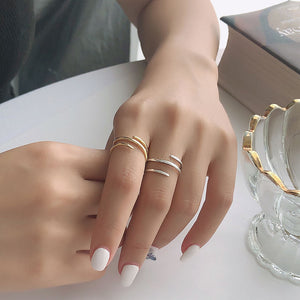
Delicate, adjustable, everyday sterling silver — from £34
Shop the Adjustable Minimalist Ring →This guide summarizes UK hallmarking law under the Hallmarking Act 1973 for general consumer education. It is not legal advice. Weight thresholds, Assay Office details, and penalties reflect current guidance as published by the UK government and UK Assay Offices. Last updated: July 2026.
Sources: Hallmarking Act 1973 — legislation.gov.uk, GOV.UK Hallmarking Guidance, Edinburgh Assay Office.
You Might Also Like
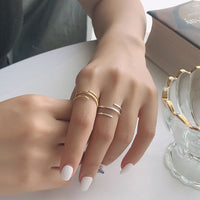
The piece they're describing → Verstellbarer minimalistischer Ring für Frauen — 925er Sterlingsilber, vergoldet oder rhodiniert
Personalize Yours

