


- Solid rose gold (14K/18K) itself doesn't tarnish — pure gold doesn't oxidize, but the copper alloy inside can shift tone slightly after years of wear.
- Rose gold plated jewelry tarnishes when the metal underneath the plating is brass or copper; once the gold layer wears thin, that base metal oxidizes and turns green or black.
- A 925 sterling silver base (what AJLuxe plates its rose gold over) doesn't corrode the same way, so the piece stays wearable even as the plating naturally thins.
- Lower-karat rose gold (10K) contains more copper than 14K or 18K, so it's more prone to a visible color shift.
- Taking rose gold off before showering, swimming, and applying lotion or perfume is the single most effective way to slow tarnish on any plated piece.
“Does rose gold tarnish” has a different answer depending on whether you're holding a solid gold piece or a plated one — and most of the confusing advice online blends the two together. Here's the breakdown, section by section, so you know exactly what you're buying and how to keep it looking new.
Does Rose Gold Tarnish?
Yes — rose gold can tarnish, and how fast depends entirely on what's underneath the pink-gold color. Solid 14K or 18K rose gold resists tarnish because pure gold itself doesn't oxidize, though the copper mixed into the alloy can shift its tone slightly after years of wear. Rose gold plated jewelry tarnishes much faster when the base metal underneath the plating is brass or copper — the plating wears through with everyday friction, and the metal beneath it oxidizes into a green or blackish tint. That's the difference that actually matters when you're shopping: our Rose Gold Choker Necklace ($32.99) plates 18K rose gold over solid 925 sterling silver instead of brass, so even as the outer layer naturally thins with wear, there's no corroding base metal underneath to turn your neck green.
Rose Gold Plated vs. Solid Rose Gold: What Actually Tarnishes
Solid rose gold and rose gold plated jewelry tarnish for completely different reasons, and the table below shows exactly where each one is vulnerable so you know what you're actually buying.
| Feature | Solid 14K/18K Rose Gold | Generic Rose Gold Plated (brass/copper base) | AJLuxe Rose Gold Plated (925 Sterling Silver Base) |
|---|---|---|---|
| Base metal | Gold + copper alloy, no plating | Brass or copper core under a thin gold layer | 925 sterling silver core under 18K rose gold plating |
| Tarnish risk | Very low — only a slight tone shift after years | High once the plating wears through | Low — silver base resists the green/black corrosion brass shows |
| Skin reaction risk | Low, unless nickel is added to the alloy | Higher — brass cores often contain nickel | Low — hypoallergenic, nickel-free |
| Typical price | $300–$1,000+ | $15–$40 | $24.99–$79.99 |

Why Does Rose Gold Turn Yellow or Fade Over Time?
Rose gold turning yellow, dull, or patchy almost always means the top plating layer has worn away, not that the piece is defective. Under a worn rose gold plated layer, a brass or copper base shows through yellow-brown and eventually darkens as it oxidizes, while a 925 sterling silver base shows through silvery-white instead — a very different, much less alarming look. Solid rose gold doesn't “fade” in the same sense since there's no plating to wear off, but heavy daily friction against the copper in the alloy can very gradually soften its pink tone over years, especially in lower-karat pieces where copper makes up a bigger share of the mix.
How Do You Keep Rose Gold From Tarnishing?
Keep rose gold from tarnishing by limiting its contact with water, chemicals, and skin oils — the fastest way any plated piece wears through is repeated friction combined with soap, chlorine, sweat, and perfume. A few habits make the biggest difference:
- Take it off before showering, swimming, or bathing. Chlorine and hot water are two of the fastest ways to strip a gold plating layer.
- Put jewelry on last, take it off first. Perfume, lotion, and hairspray should go on before your rose gold, not after.
- Store pieces separately in an airtight pouch or box. Air exposure and metal-on-metal scratching both speed up wear.
- Wipe with a soft polishing cloth after wear. This removes the oils and residue that eat into plating over time.
- Avoid the gym and pool. Sweat and chlorinated water are two of the most common culprits behind prematurely tarnished plated jewelry.
Is Rose Gold Good for Everyday Wear?
Yes, rose gold is good for everyday wear as long as it's plated over a stable base metal like 925 sterling silver rather than brass, and you take it off for showers, workouts, and swimming. Pieces plated over sterling silver tend to age more gracefully because there's no reactive base metal underneath to corrode once the outer layer thins — you just get a quieter, silvery look instead of green or black patches. Earrings deserve extra care here since they sit against skin and moisture for hours at a time, which is why hypoallergenic, nickel-free posts matter as much as the plating itself.

18K gold plating option
Nickel-free, safe for daily wear
Boxed, no extra charge
Insured shipping, easy returns
Which Rose Gold Piece Should You Choose?
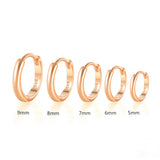
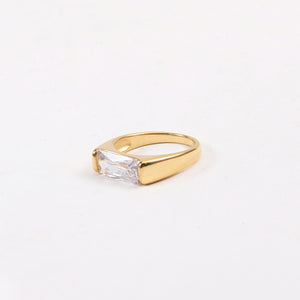
Choose a rose gold piece plated over 925 sterling silver rather than brass, since that's the single factor that decides whether it tarnishes green in a year or just gradually softens in tone. For everyday wear, our Rose Gold Choker Necklace ($32.99) and Rose Gold Huggie Earrings ($34.99) are both built on that stable sterling silver base with hypoallergenic, nickel-free posts. If you want a classic gold tone instead of pink-gold, the 18K Gold Plated Statement Ring ($29.99) gives you the same genuine 18K gold plating to keep up with. Whichever you pick, the care habits above — off before water, on after perfume, stored dry — will do more for how long it stays looking new than the metal choice alone.
Frequently Asked Questions
How do you keep rose gold from tarnishing?
Keep rose gold from tarnishing by taking it off before water, sweat, or chemical exposure — showers, pools, gyms, and even heavy lotion or perfume all accelerate plating wear. Storing pieces in a dry, airtight pouch and wiping them with a soft cloth after each wear extends how long the plating stays intact.
Can I shower with rose gold jewelry?
You shouldn't shower with rose gold jewelry, especially if it's plated, because hot water, soap, and shampoo residue all strip the gold layer faster and speed up tarnish underneath. Solid rose gold tolerates the occasional splash better than plated pieces, but removing any jewelry before showering is still the safer habit.
Will rose gold turn yellow over time?
Rose gold plated jewelry can look yellow-brown once the pink plating wears through and a brass or copper base shows underneath, while pieces plated over sterling silver show a silvery tone instead when they wear. Solid rose gold doesn't turn yellow in the same way since there's no plating layer to wear off — any change is a much slower, subtler softening of its pink tone.
Is rose gold good for everyday wear?
Yes, rose gold is good for everyday wear when it's plated over a stable base metal like 925 sterling silver and you take it off before showering, swimming, or working out. Solid rose gold holds up to daily wear even better since there's no plating to wear through at all.
Is rose gold plated jewelry worth buying?
Rose gold plated jewelry is worth buying if you check what the plating sits over, since that's what determines whether it tarnishes within months or holds up for years. A 925 sterling silver base costs more to produce than brass but resists corrosion in a way brass simply can't, which is why the base metal matters more than the plating thickness alone.
How long does rose gold plating last?
Rose gold plating typically lasts anywhere from several months to a couple of years, depending on how often the piece is worn, whether it's exposed to water and chemicals, and how it's stored between wears. Pieces worn daily against skin, like rings and earrings, tend to show wear sooner than necklaces or occasional-wear pieces.
Deciding between karats for a rose gold piece? See our 14K vs 18K rose gold comparison.
Alle Marken, Markennamen und Produktnamen Dritter sind Eigentum ihrer jeweiligen Inhaber. AJLuxe steht in keiner Verbindung zu den in diesem Artikel genannten Marken Dritter und wird von diesen weder unterstützt noch gesponsert. Markennamen werden ausschließlich zur sachlichen vergleichenden Bezugnahme verwendet; Materialangaben entsprechen den eigenen veröffentlichten Produktangaben der jeweiligen Marke zum Zeitpunkt der Erstellung.
You Might Also Like
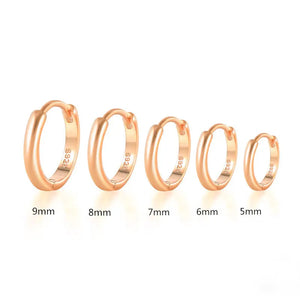
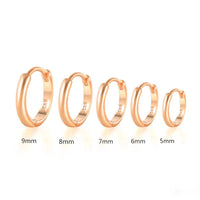
The piece they're describing → Roségold Huggie Ohrringe für Damen – 925 Sterling Silber, Roségold-plattiert, Hypoallergen
Personalize Yours


