


- Brass turns skin green because of copper oxidation, not an allergic reaction — it's harmless and cosmetic.
- Sweat, humidity, lotion, and soap all speed up the green residue.
- 100% brass will eventually turn green; higher-copper alloys like bronze and copper react even faster.
- Sterling silver, titanium, and stainless steel don't cause the copper-based green-skin reaction.
- Cheap "gold" costume jewelry is often brass under a thin plating that wears through within weeks.
- AJLuxe pieces use 925 sterling silver — not brass — as the base metal, so they're hypoallergenic and won't cause green staining.
If a ring or a pair of earrings has ever left a green ring or smudge on your skin, brass is almost always the culprit — and it's more common than most jewelry boxes would suggest, since brass shows up disguised as "gold-tone" or "antique gold" in a lot of affordable and costume jewelry. Here's exactly why it happens, whether it means the metal is unsafe, and which metals actually solve the problem instead of just hiding it.
Does Brass Turn Skin Green?
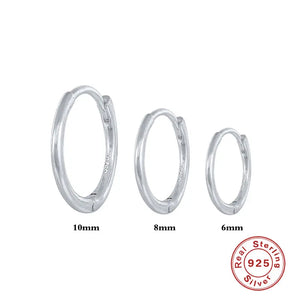
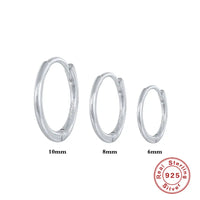
Yes, brass turns skin green on almost everyone who wears it regularly, because the copper in the alloy oxidizes on contact with sweat, skin oils, and even the moisture in the air. Brass is typically 60-70% copper mixed with zinc, and when that copper meets the mild acids in perspiration, it forms copper salts — the same greenish compound responsible for the patina on old pennies and copper roofing. It rubs onto skin as a light green or gray-green residue, usually within a few hours of wear, and it washes off with soap and water. If you'd rather skip the guessing game of which pieces will react, jewelry made from actual 925 sterling silver — like our Thin Silver Huggie Earrings ($26.99) — uses a base metal that doesn't carry this risk in the first place.
Why Does Brass Turn Your Skin Green?
Brass turns your skin green because copper — its main ingredient — is a reactive metal that oxidizes when it touches the salt, water, and slightly acidic pH of human sweat. That reaction produces copper salts (mainly copper chloride and copper carbonate), which are the same greenish compounds you see on oxidized copper pipes or the Statue of Liberty. The reaction isn't dangerous; it's simple chemistry, and it happens faster in a few specific conditions:

- Humidity and sweat — warm weather, workouts, and humid climates all accelerate the oxidation.
- Lotion, perfume, and sunscreen — many contain acids or salts that react with copper.
- Skin pH — slightly more acidic skin reacts faster and more visibly than average.
- Friction points — rings on fingers and earring posts in earlobes see constant contact, so they discolor fastest.
Does 100% Brass Turn Green?
Yes, 100% solid brass will still turn green with enough skin contact, because copper — not an impurity or a cheap coating — is what causes the reaction, so higher-quality brass isn't exempt. In fact, some higher-copper brass alloys react faster than cheaper zinc-heavy blends, since more copper content means more surface area available to oxidize. The idea that "real" or "solid" brass won't do this is a myth — it's the copper itself doing the reacting, and pure brass has plenty of it.
Is Brass Okay to Wear as Jewelry?
Brass is generally safe to wear as jewelry — the green residue and any darkening of the metal are cosmetic side effects, not a health risk — but it isn't hypoallergenic, it tarnishes quickly, and it can stain light-colored fabric. Some people also experience mild skin irritation or a rash from brass, which is usually a reaction to trace nickel in the alloy rather than the copper itself; that's a separate issue from the green staining and worth ruling out if you notice redness or itching, not just discoloration. For sensitive skin, ears, and daily-wear pieces, a hypoallergenic, nickel-free metal is the safer long-term choice over brass.
How to Keep Brass From Turning Your Skin Green
The most reliable way to keep brass from turning your skin green is to put a barrier between the metal and your skin, since you can't stop copper from oxidizing — you can only slow it down or block contact. A few things that actually help:
- Seal it. A thin coat of clear nail polish or a jewelry-specific lacquer over the parts that touch skin blocks moisture contact, though it wears off with friction and needs reapplying.
- Keep it dry. Remove brass jewelry before showering, swimming, washing dishes, or working out — water and sweat are the two biggest triggers.
- Skip the lotion contact. Put on lotion, sunscreen, and perfume before jewelry, not after, and let them fully absorb first.
- Store it airtight. A sealed bag or box with an anti-tarnish strip slows oxidation between wears.
- Clean it regularly. Wiping brass down after each wear removes the copper salts before they build up and transfer more heavily next time.
None of this eliminates the reaction permanently — it just buys time. If you're tired of managing it, the more direct fix is switching the base metal entirely.
What Metal Won't Turn Skin Green?
Metals without copper as their primary ingredient — titanium, stainless steel, and 925 sterling silver — won't cause the green-skin reaction, because that discoloration specifically comes from copper oxidizing against sweat. Gold-plated or silver-plated jewelry only avoids it for as long as the plating lasts; once a thin plating wears through to a brass or copper core underneath, the green staining comes right back.
| Metal | Turns Skin Green? | Why |
|---|---|---|
| Brass | Yes, commonly | ~60-70% copper; oxidizes quickly with sweat |
| Bronze | Yes, commonly | Copper-tin alloy, same oxidation issue |
| Copper | Yes, most often | Nearly pure copper — the strongest reaction |
| Costume / plated alloy jewelry | Yes, once plating wears | Often brass underneath a thin gold-tone coating |
| Stainless steel | Rarely | Very low reactivity, though some grades contain nickel |
| Titanium | No | Inert; doesn't oxidize against skin |
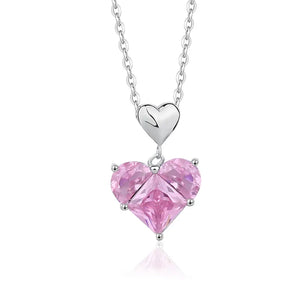
| 925 Sterling Silver (AJLuxe) | Very rarely | 92.5% silver, hypoallergenic and nickel-free — the trace copper in the alloy is too diluted to react like solid brass, as in our Pink Heart Pendant Necklace ($25.99) |

Is Sterling Silver Ever an Exception?
Sterling silver almost never turns skin green, but it isn't chemically immune — it's 92.5% silver alloyed with about 7.5% other metal, usually copper, for strength. In the rare cases where sterling silver does discolor skin, it's typically from that small copper fraction combined with very high sweat or humidity, and even then it tends to show as a faint gray rather than the visible green brass produces. Silver's own tarnish reaction is different chemistry entirely — it comes from sulfur compounds in the air, not skin contact, and shows up as black tarnish on the metal itself, not green on your skin.
18K gold plating option
Nickel-free, safe for daily wear
Boxed, no extra charge
Insured shipping, easy returns
Which Metal Should You Choose to Avoid Green Skin?
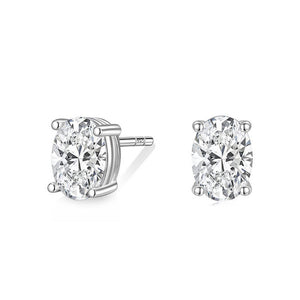
Choose 925 sterling silver if a copper-free, hypoallergenic metal that still looks and feels like fine jewelry matters more than the rock-bottom price of brass. Titanium and surgical stainless steel are also copper-free, but they're harder to resize, harder to find in delicate or gold-toned designs, and less traditionally "jewelry-like" than silver. If your green-stained rings and earrings have all turned out to be brass or a brass-cored costume piece, swapping them for genuine 925 sterling silver — such as the Thin Silver Huggie Earrings ($26.99) or the CZ Stud Earrings ($26.99) — solves the problem permanently rather than papering over it with nail polish and constant cleaning. Every AJLuxe piece names its base metal honestly: solid 925 sterling silver, with 18K gold plating where shown, never a brass or base-alloy core hiding under a coating.

For general reading on nickel allergy and skin reactions to jewelry metals, the American Academy of Dermatology Association is a reliable source: aad.org.
Brass is one specific example of a wider reaction; see our full jewelry turning skin green guide for every common cause and how to stop it for any metal.
Frequently Asked Questions
How to keep brass from turning your skin green?
Seal the metal with clear nail polish or lacquer, keep it away from water and sweat, apply lotion and perfume before putting jewelry on, and store pieces in an airtight bag between wears — these slow the reaction but don't stop it permanently, since the copper in brass will keep oxidizing as the sealant wears down.
Is brass okay to wear as jewelry?
Brass is generally safe to wear, since the green residue is cosmetic and not a health risk, but it isn't hypoallergenic, tarnishes quickly, and can irritate sensitive skin if trace nickel is present in the alloy.
Does 100% brass turn green?
Yes, 100% brass will turn green with enough skin contact, because the copper content itself — not an impurity — causes the oxidation, so higher-purity brass isn't exempt and can react even faster.
What metal won't turn skin green?
Titanium, surgical stainless steel, and 925 sterling silver won't cause the green-skin reaction, because none of them rely on copper as their primary ingredient the way brass, bronze, and copper do.
Does sterling silver ever turn skin green?
Very rarely — sterling silver is 92.5% silver, and the small copper portion in the alloy is too diluted to oxidize the way solid brass does, though sterling can occasionally tarnish black or gray from sulfur exposure in the air.
Why does my skin turn green under a ring but not my earrings?
Rings sit against skin at a constant friction point with more trapped sweat and moisture than earlobes typically see, so a copper-based metal reacts faster and more visibly on fingers than it does on ears, even if both pieces are the same alloy.
Alle Marken, Markennamen und Produktnamen Dritter sind Eigentum ihrer jeweiligen Inhaber. AJLuxe steht in keiner Verbindung zu den in diesem Artikel genannten Marken Dritter und wird von diesen weder unterstützt noch gesponsert. Markennamen werden ausschließlich zur sachlichen vergleichenden Bezugnahme verwendet; Materialangaben entsprechen den eigenen veröffentlichten Produktangaben der jeweiligen Marke zum Zeitpunkt der Erstellung.
You Might Also Like
The piece they're describing → Dünne Creolen aus Sterlingsilber für Damen – 925er Sterlingsilber, minimalistisch, hypoallergen
Personalize Yours


