


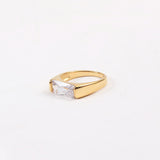
- 14K gold plated jewelry does tarnish — the gold is a thin coating, not solid gold all the way through
- Tarnish speed depends on the base metal: brass or copper plated pieces discolor fastest, a 925 sterling silver base slows it down significantly
- With normal wear, plating typically holds its color for around a year before it starts to thin — longer if worn occasionally and cared for well
- Sweat, chlorine, perfume, and showering all speed up plating wear
- 18K gold plating uses a purer, generally thicker gold layer than 14K, which tends to resist wear longer
- Storing pieces dry and flat, and taking them off before water or chemical exposure, meaningfully extends plating life
If you have bought a "gold" piece of jewelry for $30 instead of $3,000, you already know it is not solid gold — but most shoppers do not realize the plating itself has an expiration date. Here is what actually happens to 14K gold plated jewelry over time, why some pieces hold their color for years while others turn brassy in a month, and how to tell which one you are buying.
What Does "14K Gold Plated" Actually Mean?
14K gold plated means a base metal item has been electroplated with a thin layer of 14-karat gold, which is 58.3% pure gold, rather than being solid gold throughout. The base underneath — most commonly brass, copper, or 925 sterling silver — makes up almost the entire piece; the gold is a surface coating measured in microns, not a structural material. That is what makes plated jewelry affordable, and it is also exactly why it eventually shows wear that solid gold never will.
Does 14K Gold Plated Jewelry Tarnish?
Yes, all 14K gold plated jewelry tarnishes eventually, because the gold layer is microns thin and will wear through to the base metal underneath with enough exposure to air, moisture, and friction. Tarnish on a plated piece usually shows up as a duller, brassier, or slightly pink-orange tone at high-contact points — the inside of a ring band, the back of an earring post, the clasp of a chain — before it spreads. This is different from tarnish on solid silver, which is a surface reaction you can polish away; once plating wears through to bare brass or copper, no amount of polishing brings the gold color back, because the gold itself is gone from that spot.
What Causes 14K Gold Plated Jewelry to Tarnish Faster?
The base metal underneath the plating is the single biggest factor in how fast a piece tarnishes, followed by moisture, chemical exposure, and everyday friction. In practice, that breaks down into a handful of repeat offenders:
- Base metal type: brass and copper oxidize on their own and will bleed through thin plating fastest; a 925 sterling silver base is far more chemically stable underneath the same gold layer.
- Water and humidity: showering, swimming, and sweating all accelerate wear on the plating and can trap moisture against the base metal.
- Chlorine and saltwater: pools and the ocean are especially harsh on thin gold plating and can strip it noticeably faster than any other exposure.
- Perfume, lotion, and hairspray: these products contain alcohols and chemicals that break down plating when applied directly onto jewelry.
- Friction: rings and bracelets wear faster than earrings or necklaces simply because hands touch more surfaces throughout the day.
How Long Does 14K Gold Plated Jewelry Last?
Most 14K gold plated jewelry holds its color for around a year of regular wear before the plating starts to visibly thin, though a piece worn occasionally and cared for well can last considerably longer. Thicker plating, a stable base metal like sterling silver, and consistent care (taking pieces off before water or chemical exposure) are what stretch that timeline; thin "flash" plating over brass with daily wear and no care is what shrinks it. If a piece is starting to look brassy at the edges within a few months, that is a sign of thin plating over a reactive base metal, not something you did wrong.
14K vs 18K Gold Plated vs Gold Vermeil vs Solid Gold: How They Compare
The short version: gold purity goes up, and tarnish risk goes down, as you move from thin plating on a base metal toward solid gold — with vermeil sitting deliberately in between as a regulated middle ground.
| Type | Gold Content | Typical Base | Tarnish Resistance | Price Range |
|---|---|---|---|---|
| 14K Gold Plated | 58.3% gold, thin surface layer | Brass, copper, or silver | Lowest — wears fastest, especially over brass/copper | $ |
| 18K Gold Plated | 75% gold, generally thicker layer | Usually 925 sterling silver | Better — richer color, holds up longer than 14K plating | $$ |
| Gold Vermeil | 14K–18K gold, with an FTC-set minimum plating thickness | 925 sterling silver (required by definition) | Best of the plated options | $$ |
| Solid 14K/18K Gold | 58.3%–75% gold throughout | None — solid gold | Does not tarnish; may dull slightly and need occasional cleaning | $$$$ |
Vermeil is worth knowing about specifically because it is not a marketing term — by definition it has to be gold over sterling silver, with a legal minimum plating thickness, which is why it tends to outlast ordinary gold plating over brass.
Is 14K Gold Plated Worth Buying?
Yes, 14K gold plated jewelry is worth buying if you want the gold look at a fraction of solid gold's price and are fine with plating that wears and eventually needs replacing — it is not worth buying if you expect it to perform like solid gold indefinitely. For trend pieces, gifts, everyday layering, or jewelry you plan to rotate out anyway, plating is a reasonable trade-off. For a piece you want to hand down or wear daily for a decade without a second thought, solid gold or a heavier vermeil piece is the better call.
Can I Shower in 14K Gold Plated Jewelry?
You can, but you should not make a habit of it — water, soap, and shampoo residue speed up plating wear and are one of the most common reasons gold plated jewelry tarnishes earlier than expected. The combination of warm water, friction from washing, and product residue is harder on thin plating than almost anything else in a normal day. Taking a piece off before you shower, swim, or work out costs a few seconds and adds real time to how long the gold layer lasts.
Can I Pawn 14K Gold Plated Jewelry?
Technically yes, but most pawn shops will offer little to nothing for it, because pawn shops value jewelry by the melt weight of its actual gold content, and a plated piece contains only a trace amount of gold on the surface — not enough to be worth melting down. If you are looking to sell or pawn jewelry for its gold value, that only applies to solid gold pieces with a karat stamp confirming gold all the way through, not "GP," "HGE," or "gold plated" markings.
How to Slow Down Tarnish on 14K Gold Plated Jewelry
The fastest way to extend plated jewelry's life is to limit what touches it, not to clean it more aggressively after the fact.
- Take rings, bracelets, and earrings off before showering, swimming, or exercising
- Store pieces in an airtight pouch or lined box, away from direct light and humidity
- Apply perfume, lotion, and hairspray before putting jewelry on, never after
- Wipe pieces with a soft, dry cloth after wear to remove oils and residue
- Avoid chlorine and saltwater entirely — both are especially hard on thin plating
Which Gold Jewelry Should You Choose If Tarnish Resistance Matters Most?
If tarnish resistance matters more than price, choose a piece plated over a 925 sterling silver base rather than brass or copper, and lean toward 18K over 14K plating where you can, since the thicker, purer gold layer generally takes longer to wear through. That is the build behind AJLuxe's 18K Gold Plated Statement Ring — Tarnish-Resistant CZ ($29.99): genuine 18K gold plating designed to resist the wear that exposes a reactive base metal underneath. AJLuxe's other gold-plated pieces are built on a 925 sterling silver base with that same 18K gold plating, are hypoallergenic and nickel-free, and every piece ships gift-ready — which is part of why more than 40,000 customers have shopped the collection.

The Federal Trade Commission's Jewelry Guides set the US labeling standards for gold-plated, gold-filled, and vermeil jewelry, including how terms like these can and cannot be marketed — worth a look if you want to verify exactly what a "14K gold plated" listing is legally allowed to claim: https://www.ftc.gov.
Frequently Asked Questions
How long does 14K gold plated jewelry last?
Most 14K gold plated jewelry holds its color for around a year of regular wear before the plating starts to visibly thin, though pieces worn occasionally and cared for well can last considerably longer. Plating thickness, base metal, and how the piece is stored and worn all affect the timeline more than the karat number alone.
Is 14K gold plated worth buying?
Yes, if you want the gold look at a fraction of solid gold's cost and are fine with plating that eventually wears — it is not worth buying if you expect it to last indefinitely without any change. It is a good fit for trend pieces, gifts, and everyday jewelry you plan to rotate; a poor fit for a piece meant to last decades.
Can I shower in 14K gold plated jewelry?
You can, but you should not make a habit of it — water, soap, and shampoo residue speed up plating wear and are one of the most common reasons gold plated jewelry tarnishes earlier than expected. Taking pieces off before showering meaningfully extends how long the plating lasts.
Can I pawn 14K gold plated?
Technically yes, but most pawn shops will offer little to nothing for it, because they value jewelry by melt weight of actual gold content, and a plated piece contains only a trace amount of gold on its surface. Pawn value for gold jewelry applies to solid gold pieces, not plated ones.
What causes 14K gold plated jewelry to tarnish?
The base metal underneath the plating is the biggest factor, followed by water, chlorine, perfume, lotion, and everyday friction. Brass and copper bases oxidize and bleed through thin plating fastest, while a 925 sterling silver base is more chemically stable underneath the same gold layer.
Does 14K gold plated jewelry turn your skin green?
It can, once the plating wears through enough to expose a reactive base metal like brass or copper underneath, since those metals oxidizing against skin and moisture is what causes the greenish discoloration. A 925 sterling silver base plated in gold is far less likely to cause this because silver does not react with skin the way brass and copper do.
Alle Marken, Markennamen und Produktnamen Dritter sind Eigentum ihrer jeweiligen Inhaber. AJLuxe steht in keiner Verbindung zu den in diesem Artikel genannten Marken Dritter und wird von diesen weder unterstützt noch gesponsert. Markennamen werden ausschließlich zur sachlichen vergleichenden Bezugnahme verwendet; Materialangaben entsprechen den eigenen veröffentlichten Produktangaben der jeweiligen Marke zum Zeitpunkt der Erstellung.
You Might Also Like
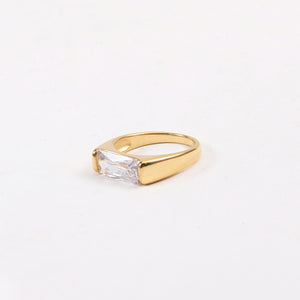

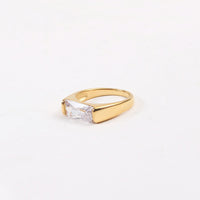
The piece they're describing → 18K vergoldeter Ring für Damen – Anlaufbeständiger Statement-Ring mit Zirkonia
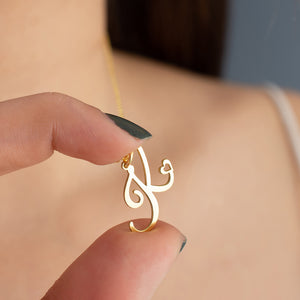
Personalize Yours


