


- Flat elastic cord (0.8mm-1mm) is the most durable all-purpose choice for bead bracelets
- Round elastic cord (0.5mm-0.7mm) suits lightweight seed beads and delicate stacks
- Tie three surgeon's knots, never one, then seal the knot with a drop of glue
- Heat, UV light, lotion, and hand sanitizer all break down elastic faster than plain wear
- Bead hole size — not just bead weight — decides which cord diameter will actually fit
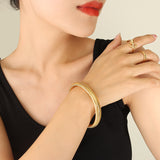
- If you'd rather skip the DIY process, a ready-made stretch bracelet solves the same problem
If you've ever had a beaded bracelet snap mid-wear, it was almost never the beads' fault — it was the wrong cord for the job. Stretch string comes in more variations than most first-time bracelet makers realize, and picking the wrong diameter or shape is the single biggest reason DIY stretch bracelets fail within weeks instead of lasting for years. Here's what actually holds up, by material, thickness, and bead type.
What Is the Best Stretch String for Bracelets?
The best stretch string for bracelets is a flat elastic cord in the 0.8mm to 1mm range, because the flat surface creates more friction against itself when knotted, which means the knot is far less likely to slip loose under tension. Round elastic cord is easier to find in craft stores and works well for lighter beads, but it's more prone to knot-slip because there's less surface area for the knot to grip. For heavier beads — think 8mm+ gemstone chips, wood, or chunky acrylic — go up to 1mm or even 1.5mm and always double the cord through each bead when the hole size allows it.
The Best Stretch Cord Types for Bracelet Making
Five cord types cover almost every bracelet project, and each one is suited to a different bead weight and look.

Flat Elastic Cord (Stretch Magic-Style)
Flat elastic cord is the most widely recommended stretch string because its flattened profile resists knot-slip better than any round alternative. It's sold in clear and colored finishes, typically from 0.5mm up to 1mm, and is the standard choice for gemstone chip and glass bead bracelets sold by handmade sellers. The tradeoff is that it's slightly stiffer than round cord, so it shows less in ultra-delicate seed-bead designs.
Round Elastic Cord
Round elastic cord is thinner, softer, and disappears more completely between beads, which is why it's the go-to for seed-bead and small glass-bead bracelets where you don't want visible string. It stretches more per inch than flat cord of the same diameter, but it's also more likely to slip its knot over time, so it needs extra knots and glue to match flat cord's longevity.
Bead Cord / Opelon Stretch Cord
Opelon-style stretch cord is a mid-weight round elastic marketed specifically for beading, sitting between standard round elastic and flat cord in both stiffness and stretch recovery. It holds its shape well after repeated stretching, which makes it a solid pick for bracelets you plan to take on and off daily rather than leave on the wrist continuously.
Coated Elastic Thread (Fine Seed-Bead Cord)
Coated elastic thread is the thinnest option, usually under 0.5mm, and is built for size 8/0 to 11/0 seed beads where anything thicker simply won't pass through the bead hole twice. It has the least tensile strength of the group, so it's not the right choice for anything heavier than glass or plastic seed beads.
Elastic Tubing / Heavy-Duty Stretch Cord
For chunky, heavy beads — large wood, resin, or stone beads — thicker elastic tubing in the 1.5mm-2mm range is worth the bulkier look in exchange for not having a bracelet snap after a week. This is the one case where a slightly visible cord is the right tradeoff for durability.
Stretch Cord Thickness Guide: Which Diameter for Which Beads?
Bead hole size, not just bead weight, is what actually determines which cord diameter will physically fit and hold.

| Cord Diameter | Best For | Typical Bead Hole | Knots Needed |
|---|---|---|---|
| 0.5mm | Seed beads, delicate stacks | Under 1mm | 3 surgeon's knots + glue |
| 0.7mm | Small glass beads, gemstone chips | 1-2mm | 3 surgeon's knots + glue |
| 1mm | Standard glass/acrylic beads, everyday wear | 2mm+ | 3-4 surgeon's knots + glue |
| 1.5mm+ | Heavy wood, resin, large stone beads | 3mm+ | 4 surgeon's knots + glue |
Flat vs Round Stretch Cord: Which Holds Up Better?
Flat cord generally outlasts round cord of the same diameter because the knot has more surface area to grip, while round cord wins on how invisible it looks between beads.
| Factor | Flat Elastic Cord | Round Elastic Cord |
|---|---|---|
| Knot security | Higher — flat surface resists slipping | Lower — needs extra knots |
| Visibility between beads | Slightly more visible | Nearly invisible |
| Best bead weight | Medium to heavy | Light to medium |
| Stretch recovery | Good | Very good, but fades faster with wear |
How Do You Knot Stretch Cord So It Doesn't Break?
Tie three separate surgeon's knots — not one overhand knot — and finish with a small drop of glue on the final knot, because a single knot is the number-one reason stretch bracelets come apart within days. Pull each knot tight individually before tying the next one, trim the tail close once the glue sets, and let it dry fully before wearing the bracelet. Skipping the glue step is the second most common failure point; the knot itself can hold, but repeated stretching still works it loose over weeks of wear without that extra seal.
How Long Does Stretch Bracelet Cord Actually Last?
Stretch cord's lifespan depends far more on exposure than on the calendar — heat, direct sunlight, lotion, hand sanitizer, and chlorine all break down elastic fibers faster than ordinary daily wear does. A bracelet kept away from those and taken off before showering or swimming will stay stretchy far longer than one left on constantly. The clearest sign it's time to restring is cord that feels tacky, looks discolored, or has visibly lost its snap-back when you pull it gently.
Which Stretch String Should You Use for Your Bracelet?
For most bracelet projects, reach for flat elastic cord in 0.8mm to 1mm, knot it three times, seal it with glue, and it will outlast almost anything thinner. Drop down to 0.5mm round cord only for genuine seed-bead work, and size up to 1.5mm for anything heavy enough to stress a standard knot. If you'd rather skip the stringing, knotting, and eventual re-stringing altogether, AJLuxe's Gold Elastic Bangle Bracelet ($39.99) gives you the same stretch-fit comfort in an 18K gold-plated, 925 sterling silver base piece that's already finished, hypoallergenic, and ready to stack — no cord, knots, or glue required.

Frequently Asked Questions
What is the strongest stretch cord for making bracelets?
The strongest stretch cord for making bracelets is a heavier flat elastic cord at 1mm to 1.5mm, since its wider profile and thicker fiber resist both stretching fatigue and knot-slip better than any thinner round cord. It's the right pick for bracelets that see daily wear or carry heavier beads like wood, resin, or large stone.
What kind of string is best for bracelets?
Flat elastic cord in the 0.8mm to 1mm range is best for bracelets overall, because it balances stretch, durability, and knot security better than thinner round cord or fine coated thread. Round cord is a better fit specifically for lightweight seed-bead designs where near-invisible string matters more than maximum durability.
What is the best material to use for stretch bracelets?
The best material for stretch bracelets is elastic cord made from a synthetic rubber-and-fiber blend, sold as flat elastic, round elastic, or Opelon-style bead cord, chosen by diameter to match your bead size and weight rather than by brand name alone. Bead hole size should drive the choice as much as bead weight does — a cord that's too thick simply won't pass through twice.
What is the stretchy string for bracelets?
The stretchy string used for bracelets is elastic cord, available in flat or round profiles and in diameters from about 0.5mm up to 2mm, designed to stretch over the hand and snap back to hold beads snugly on the wrist. It's distinct from non-stretch beading wire or thread, which requires a clasp instead of relying on elasticity to open and close.
Alle Marken, Markennamen und Produktnamen Dritter sind Eigentum ihrer jeweiligen Inhaber. AJLuxe steht in keiner Verbindung zu den in diesem Artikel genannten Marken Dritter und wird von diesen weder unterstützt noch gesponsert. Markennamen werden ausschließlich zur sachlichen vergleichenden Bezugnahme verwendet; Materialangaben entsprechen den eigenen veröffentlichten Produktangaben der jeweiligen Marke zum Zeitpunkt der Erstellung.
You Might Also Like

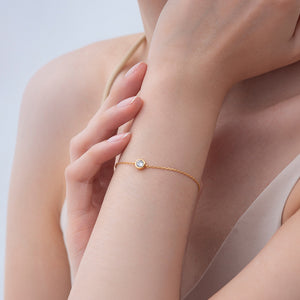
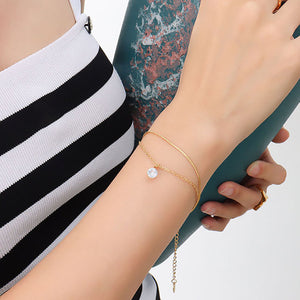
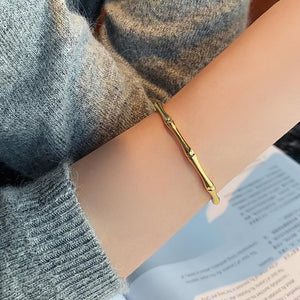
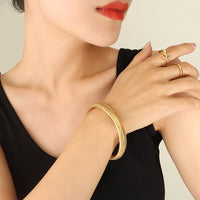
The piece they're describing → Elastisches Goldarmband für Frauen – 18K vergoldet, dehnbar, stapelbar
Personalize Yours


